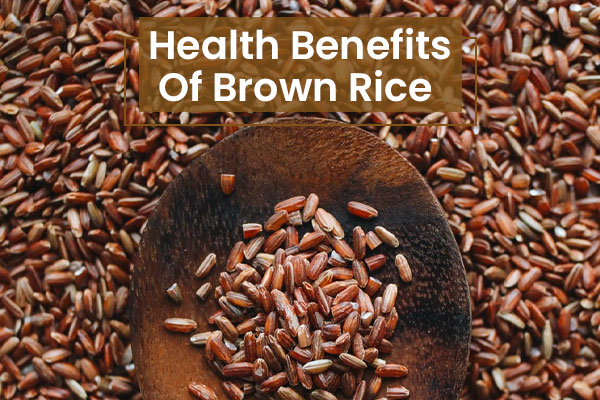

Rice is a common staple in the home for many Indians, including my own. But when it comes to the choice between white and brown rice, the health-conscious option is not what you may think. Brown rice has come into the spotlight in recent years which is due to it being a whole grain that provides more than just carbs. By 2026, as health consciousness is on the rise, brown rice should be included in a healthy diet.
What Makes Brown Rice Different?
Brown rice has different processing from white rice. We retain the bran and germ layers in brown rice, which we do not in white rice after a second round of milling. Also, as a result, brown rice is reported to have more dietary fiber as well as nutrients like magnesium, phosphorus, and various B vitamins.
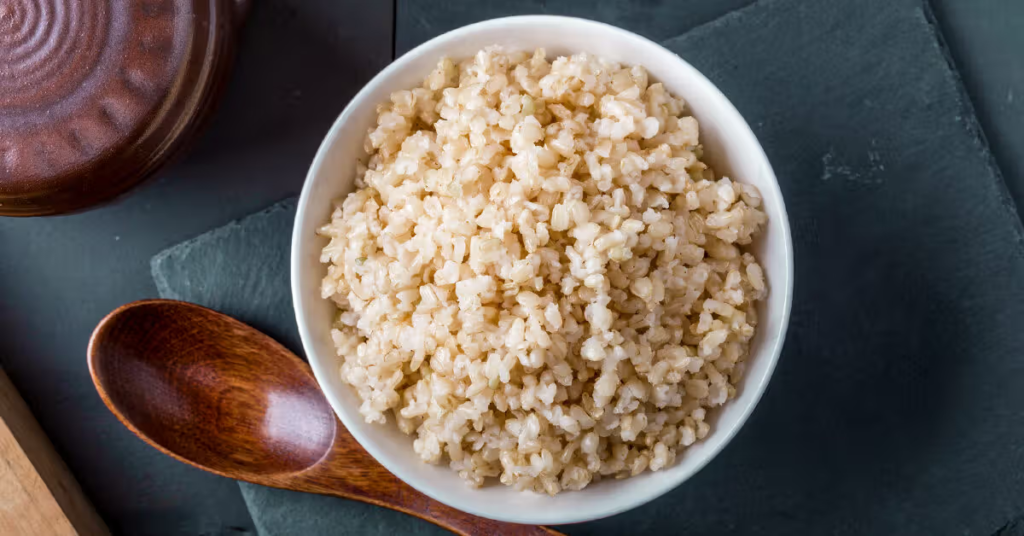
It has a mild nutty flavor and a chewier texture at that. At first, it may take some time to get into the habit of it, especially for those used to soft white rice, but it does work in pulao, fried rice, salads, or as a simple everyday meal.
Brown Rice Health Benefits:
1. Supports Better Digestion
Brown rice has the greatest advantage of its high fiber content. Fiber adds bulk to food; it supports regular bowel movements, and that in turn helps prevent constipation. Also, it promotes better gut health.
2. Improves Blood Sugar Stability.
Brown rice digests at a slower rate as compared to many refined grains. This, in turn, may produce a more gradual blood sugar rise as opposed to a sharp increase. For individuals who are trying to manage their blood sugar, trade out some refined grains for whole grains, which may prove to be a useful dietary decision.
3. Good for Heart Health
In the case of brown rice, which contains fiber, magnesium, and other plant compounds, it supports heart health. Also, as part of a balanced diet that includes whole grains, we see results in terms of maintaining healthy cholesterol and blood pressure levels.
4. Can do for Weight Management
Brown rice has high fiber content, which in turn is very filling. May keep you full for longer, thus some may have an easier time reducing snacking or plate size. That said, just by itself, brown rice may not bring on weight loss; as a whole, diet and exercise still do play a role.
5. Provides Useful Micronutrients
Brown rice is a source of minerals like magnesium and phosphorus, which also supply B vitamins. These nutrients play a role in processes which range from energy metabolism to proper nerve and muscle function.
Is Brown Rice for All?
Although we see value in brown rice, for some it may not be the case that more is better. We see that at times greatly increasing fiber from brown rice in particular may cause gas or bloating. Also, brown rice may have more arsenic than white rice, as this element tends to collect in the outer layers of the grain. That which includes washing the rice well, proper cooking, and which also includes a varied diet are good practices.
An Easy Way to Include It in Your Diet
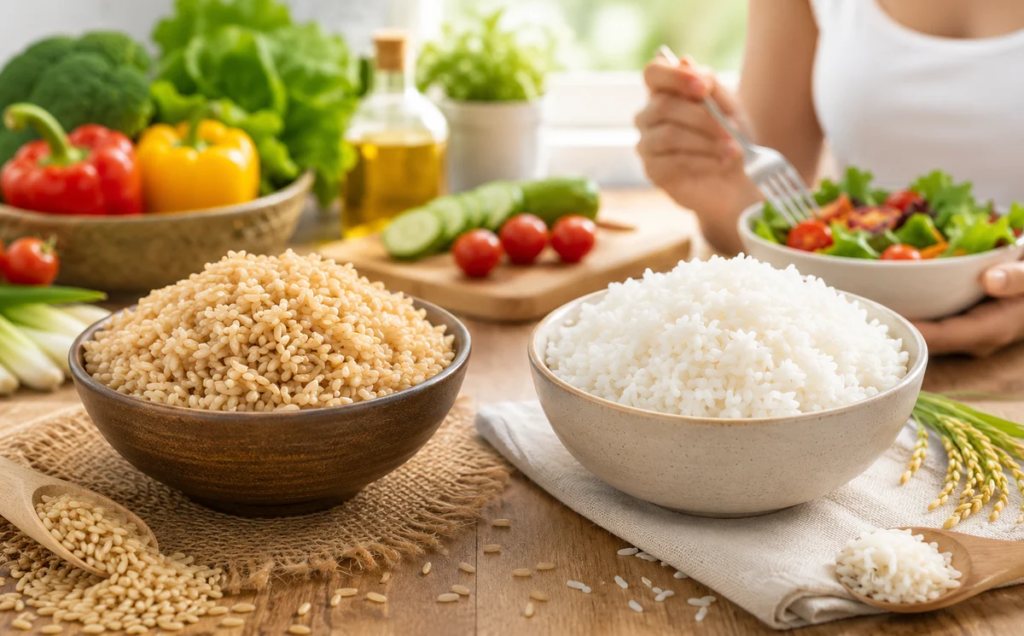
If your daily diet includes white rice, you don’t have to switch out all at once. A practical approach is to start by mixing in brown rice with the white or to have brown rice a few times a week. Also try pairing with lentils, veggies, curd, eggs, or some other protein, which will make the meal more balanced.
Final Thoughts
Brown rice isn’t a super health food as some may think, but it is a healthy option in comparison to very refined grains. It’s the fiber, the mineral content, and the whole grain structure that make it a good part of a healthy diet. For me, the main benefit is that you don’t have to give up rice in your diet completely; it’s a matter of choosing a little more smartly what rice you put on your plate.
About the Author