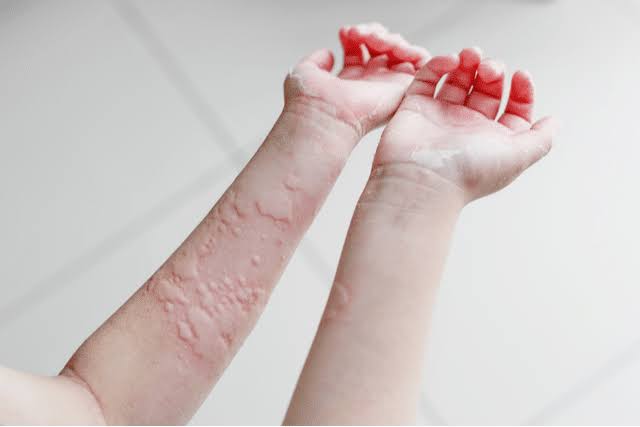
Skin Allergy

Skin allergy is a common issue that comes up when the immune system goes after a substance that we put on our skin. We see this in everyday products like makeup, perfumes, soaps, hair dye, metals, and certain plants, which in turn can cause an allergy. By 2026, it is thought that if we pay attention to the early signs of skin allergies, we will be able to identify what may cause them in each person and seek the right care, which in turn will prevent symptoms from getting worse.
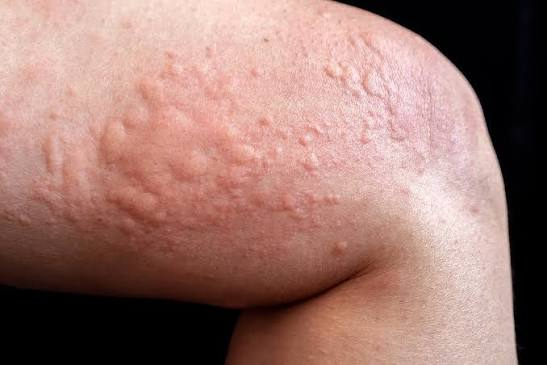
Common Symptoms of Skin Allergy
Surely the primary symptom is that of persistent itch. Also, affected areas may put on a red, swollen or rash appearance. As the reaction varies, so does the skin, which may become dry, rough, cracked, or painful. In some cases, we see small bumps which may also fill with fluid, later oozing and crusting over.
Another also present may be hives, which show up as raised itchy patches or welts on the skin. They may come on quickly and go away, then return in different places. Also, burning, stinging, and tenderness may accompany an allergic skin reaction.
What Can Trigger a Skin Allergy?
Skin allergies which present after contact with components of cosmetic and skincare products, fragrances, hair dyes, jewelry that contains nickel, latex, and some plants. Also, it is important to note that a reaction does not at all times present right away. Symptoms may present themselves several hours or even a few days after the trigger has come into contact.
When Should You Seek Medical Advice?
A mild rash may go away once the supposed trigger is avoided, but in the case of persistent, recurring, or severe symptoms, they should be paid attention to. A dermatologist may be able to determine if the issue is an allergy, irritation, eczema, or some other skin condition. Also, in some cases, patch testing may be recommended to identify the exact allergen that is causing the reaction.
Protecting Your Skin
The best way to prevent allergic contact dermatitis is to determine which substances cause the reaction and then avoid them. Also, using mild, fragrance-free skin care products and keeping the skin barrier in good health will help reduce irritation. If at that point symptoms persist despite avoidance of what you think is the trigger, it is recommended to seek out professional medical advice.
Recognizing signs of a skin allergy at an early stage will make it easier to deal with discomfort, to identify triggers, and to maintain healthier skin in 2026.
About the Author