The Health Benefits of Radish Leaves in 2026
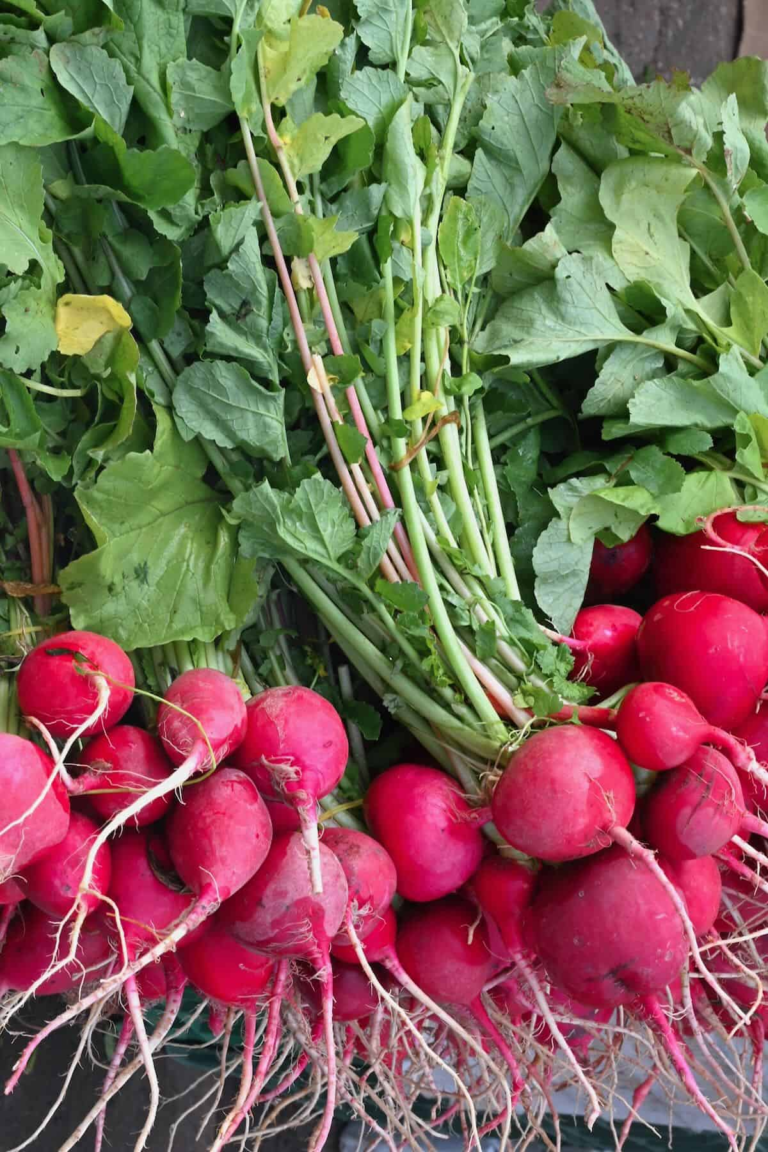
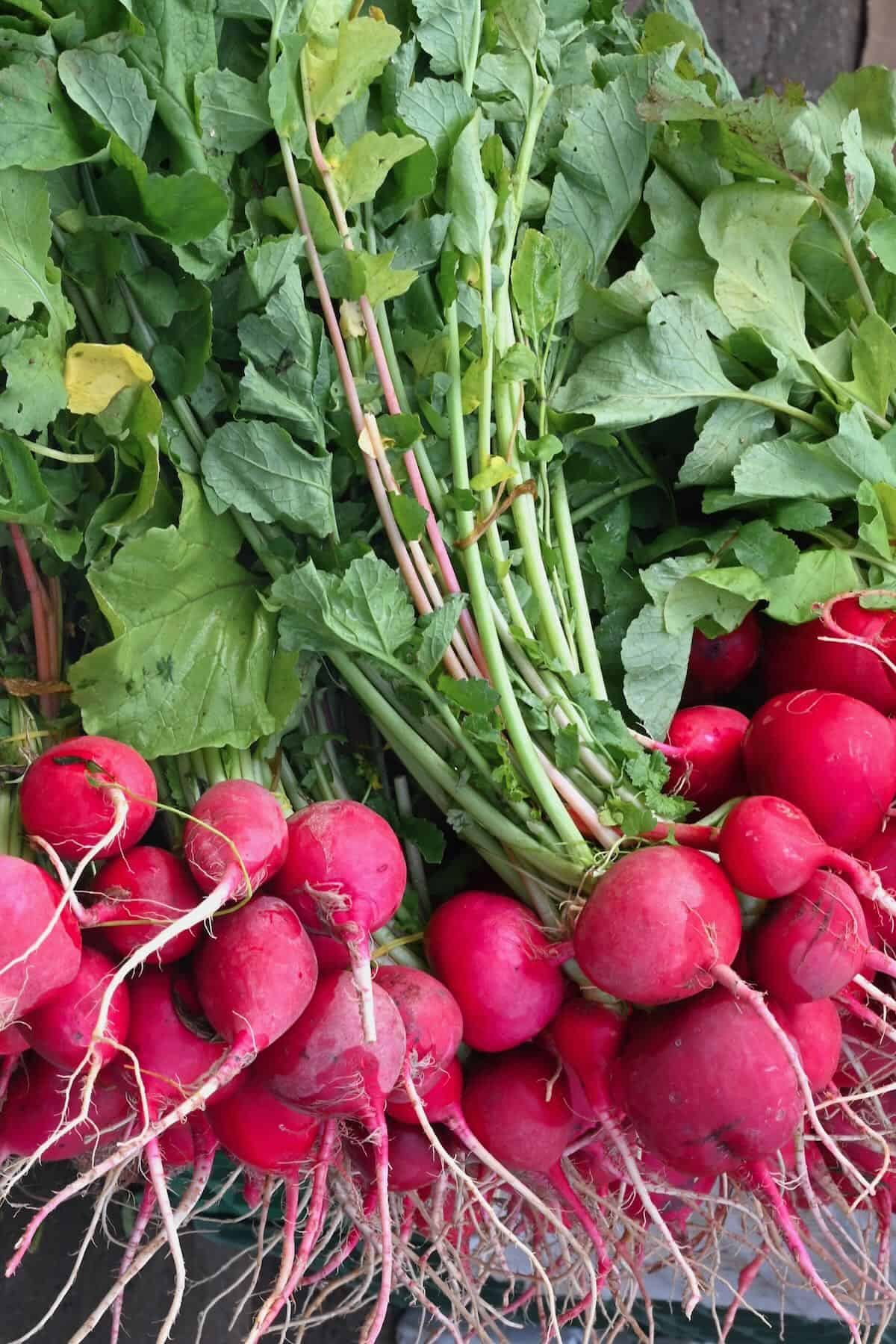
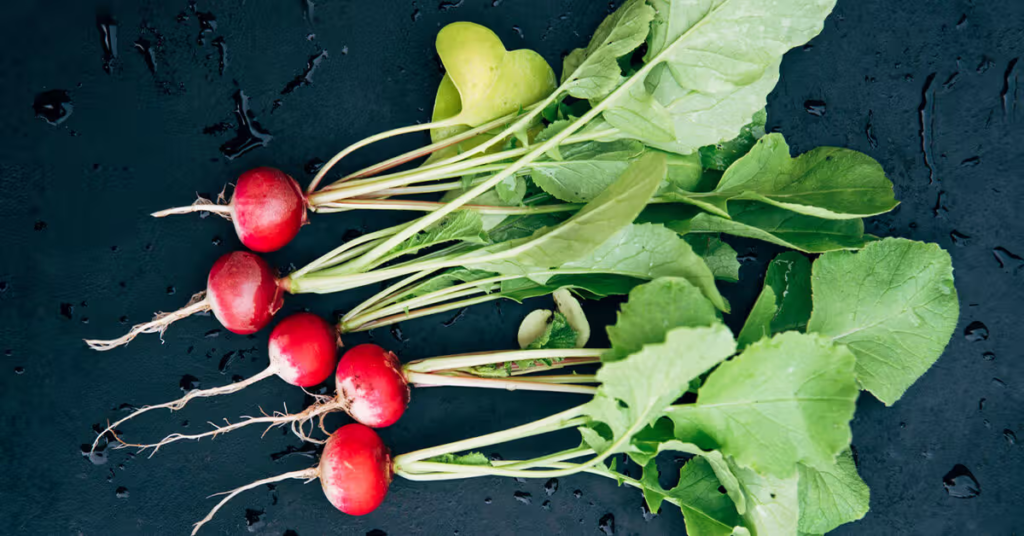
I used to chop the leafy tops off my radishes and throw them straight into the bin without thinking twice. Turns out that was a mistake. Radish leaves — yes, the same slightly fuzzy, peppery greens sitting on top of the root you actually eat — are packed with more nutrition than most of us give them credit for. With so many people paying closer attention to food waste and whole-plant eating this year, it’s about time these leaves got their due.
Not Just a Throwaway Green
Botanically, radish leaves come from Raphanus sativus, the same plant family as the root. They taste a bit spicy, a bit earthy, and cook down nicely in soups, stir-fries, or even a simple sauté with garlic and olive oil. Nutritionally, they hold their own against kale or spinach, bringing solid amounts of vitamin A, vitamin C, vitamin K, calcium, potassium, and iron to the table.
What They Actually Do for You
Start with immunity. The vitamin C in these leaves helps your body churn out more white blood cells, and the antioxidants sitting alongside it help mop up free radicals before they cause damage. It’s a small, steady kind of support rather than a magic bullet, but it adds up.
Digestion benefits too. Radish leaves carry a decent amount of fiber, which keeps things moving and gives the good bacteria in your gut something to feed on. People who deal with bloating or sluggish digestion often notice a difference just from adding more fibrous greens like this into meals.
Then there’s your heart. Potassium helps offset the sodium most of us eat too much of, easing pressure on blood vessels, while the antioxidants in the leaves may help stop cholesterol from oxidizing — one of the early steps toward clogged arteries.
Bones get a boost as well. Calcium builds density, and vitamin K makes sure that calcium actually gets used where it’s needed instead of floating around uselessly. That combination matters most for kids who are still growing and for older adults trying to hold onto bone strength.
Skin and liver health round things out. Vitamin C plays a part in collagen production, so skin stays firmer and heals a bit faster. And compounds in the leaves nudge the liver toward producing more bile, which plays a role in clearing out toxins.
If you’re watching your blood sugar or your weight, the fiber here helps again — it slows down how fast sugar hits your bloodstream and keeps you feeling full longer, so you’re not reaching for a snack an hour later.
But Don’t Overdo It
None of this means you should eat radish leaves by the bowlful every day. Too much can upset digestion, and their oxalate content isn’t great news for anyone prone to kidney stones. If you’re on blood thinners, the vitamin K content is worth mentioning to your doctor, since it can interfere with how those medications work. Pregnant women should probably keep portions modest too, simply because there isn’t a ton of research on higher intakes.
Worth Adding to Your Plate
At the end of the day, radish leaves are one of those overlooked ingredients that quietly punch above their weight. Next time you buy a bunch of radishes, don’t toss the greens — wash them, chop them, and let them earn a spot in your next meal.
About the Author