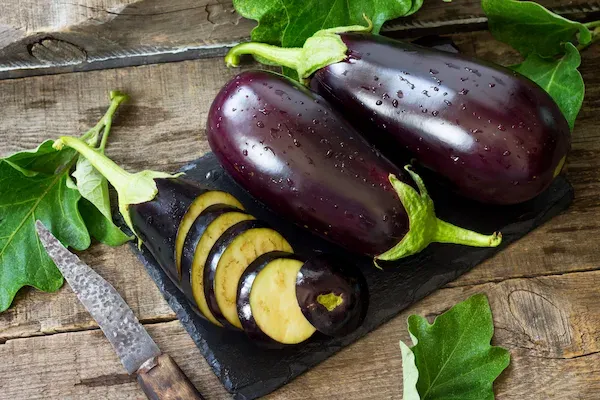

Brinjal Isn’t Just Curry Filler — Here’s What It’s Doing For You
My grandmother used to say brinjal was “poor man’s meat” — cheap, filling, and somehow always in season. I never questioned it growing up; it was just the vegetable that showed up fried, mashed, or curried at least twice a week. It wasn’t until years later, reading through some nutrition research out of curiosity, that I realized she wasn’t entirely wrong to trust it so much.
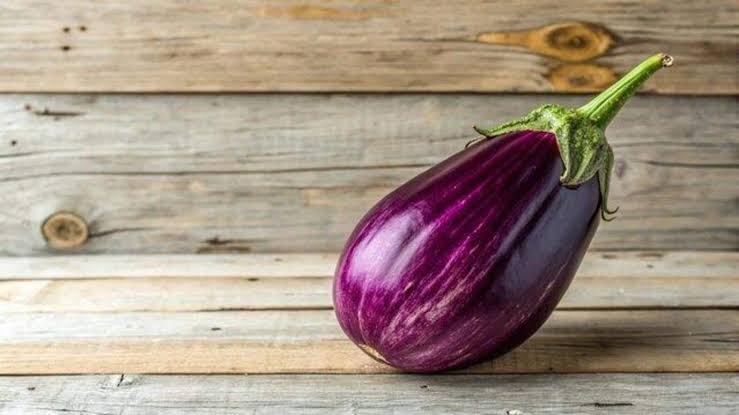
That Purple Skin Is Doing Real Work
Don’t peel it if you can help it. The deep purple color of brinjal comes from a compound called nasunin, and it’s not just for looks — nasunin is an antioxidant that appears to guard brain cell membranes from oxidative stress. There’s also chlorogenic acid in there, one of the more potent plant antioxidants around, which helps mop up free radicals before they damage healthy cells. Skip the peeling next time.
Your Heart Might Thank You
Fiber is brinjal’s other strong suit. It binds to cholesterol in the gut and helps carry it out of the body rather than letting it build up in your arteries. Combine that with a decent amount of potassium, which keeps sodium levels in check and supports steady blood pressure, and you’ve basically got a vegetable working in your heart’s favor without asking for credit. The same fiber also feeds the good bacteria in your gut, which is a big part of why digestion tends to run smoother when brinjal is a regular on the menu.
Filling, Low-Calorie, and Kind to Blood Sugar
If you’re trying to eat a bit lighter, brinjal is an easy win — it’s mostly water and fiber, so it fills you up without costing you many calories. That same fiber also slows the release of sugar into your bloodstream, which is useful if you’re trying to avoid the crash-and-craving cycle that comes with fast-digesting carbs. Diabetics and anyone watching their blood sugar tend to benefit here too.
Bones, Brain, Skin — It Covers a Lot of Ground
Beyond the obvious stuff, brinjal has manganese, copper, and vitamin K, all of which play a role in keeping bones dense and strong as you age. The vitamin C content helps your body produce collagen, which is basically what keeps skin firm and elastic. And that nasunin mentioned earlier does double duty for memory and general brain function, not just protection from damage.
A Few Things to Keep in Mind
It’s not perfect for everyone. Brinjal belongs to the nightshade family, and a small number of people react to compounds like solanine with bloating, rashes, or general digestive upset. It also has a fair amount of oxalates, so if you’ve had kidney stones before, it’s worth eating in moderation rather than piling your plate high every night.
Bottom Line
It’s easy to overlook a vegetable that’s been around forever, but brinjal earns its place for reasons that go well beyond taste. Heart support, steadier blood sugar, better digestion, stronger bones — that’s a lot of mileage from something you can pick up for a few rupees at any local market. Worth reconsidering if it’s been sitting on the back burner of your meal planning.
About the Author