Semi-Solid Diet: The In-Between Way of Eating That Indian Kitchens Already Know
Somewhere between a full thali and a bowl of clear soup, there’s a texture most Indian households have been cooking without even naming it. Soft khichdi. Mashed dal-chawal. Ragi cooked down until it’s thick enough to eat with a spoon. That’s basically what a semi-solid diet is — food that’s easier to chew and digest, but still tastes like the meals you grew up with.
Doctors often recommend it after surgery, dental procedures, or during recovery from illness. Parents lean on it when weaning babies onto solids, and families use it for elderly members who struggle with harder textures. But you don’t need a medical reason to try it. Sometimes your gut just needs a break, and this diet gives it one without making you eat something bland or unfamiliar.
So what does “semi-solid” actually mean?
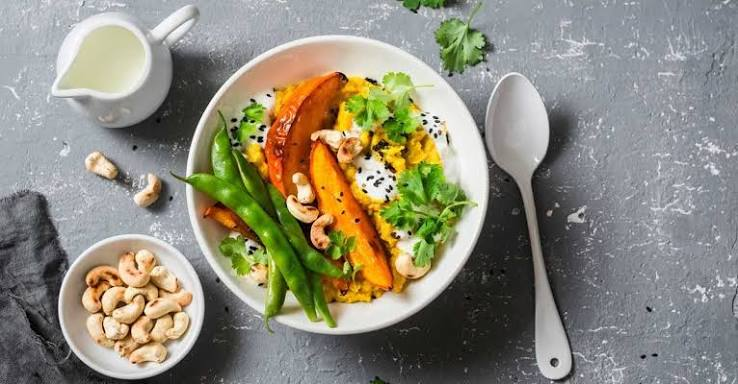
It’s not baby food, and it’s not soup either. It sits right in the middle. You take normal foods and change how they’re cooked — steaming instead of frying, mashing instead of chopping, blending instead of leaving things whole. Dal becomes a smooth puree. Rice and lentils get pressure cooked until soft enough to mash with the back of a spoon. Vegetables get boiled soft, not stir-fried crisp.
The nutrients stay put. You’re just making them gentler to eat.
Why it fits so naturally into Indian food
Honestly, Indian cooking almost sets this up for you. Dal, rice, paneer, yogurt, seasonal vegetables — these are already soft, moist, spoonable foods once you cook them a little longer or blend them a bit more. A bowl of dal chawal mashed together isn’t some special diet dish. It’s just Tuesday dinner, softened.
Foods worth keeping around
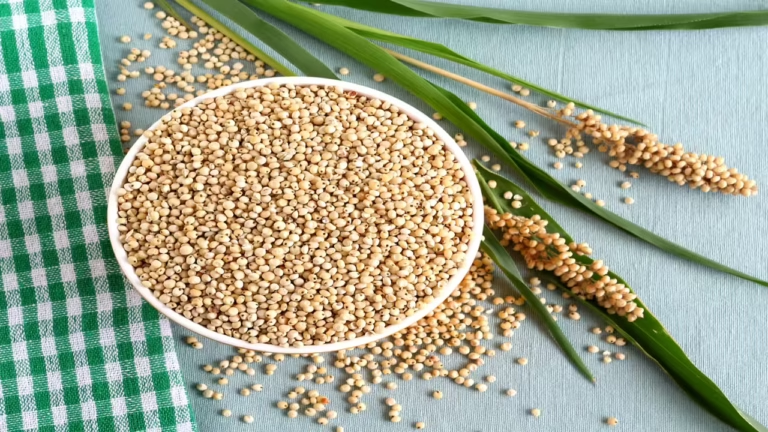
Moong dal and its soup version show up constantly in this kind of eating, and for good reason — they’re light but still full of protein and iron. Khichdi, made with rice and a millet like ragi or bajra, gives you steady energy without weighing you down. Paneer, mashed or blended into a curry, and plain yogurt cover your calcium needs. For vegetables, boiled carrots, lauki, and peas blend in easily. Bananas and stewed apples work well for a bit of natural sweetness.
What to hold off on for now
Hard rotis that need real chewing, whole nuts, raw salads, deep-fried snacks, and heavy oily gravies aren’t great fits while you’re easing into this. None of these are banned forever — just give your system time before bringing them back.
A few things that genuinely help
Go slow with texture — don’t jump from puree to solid overnight. Keep some protein in every single meal, even if it’s just a spoon of dal or a bit of paneer. Go easy on spice and oil so nothing irritates the stomach. Drink water or buttermilk between meals rather than during them. And pay attention to how you actually feel — appetite, digestion, energy — because that tells you more than any meal plan can.
Bottom line
There’s nothing complicated about a semi-solid diet once you strip away the label. It’s soft-cooked, familiar Indian food, made a little kinder on the body. If you’re recovering, adjusting to new textures, or just want an easier few weeks of eating, this approach lets you stick with the food you already know and love — just cooked a bit differently.
If you have specific health conditions, it’s worth checking with a doctor or dietitian before making changes to your regular diet.
About the Author