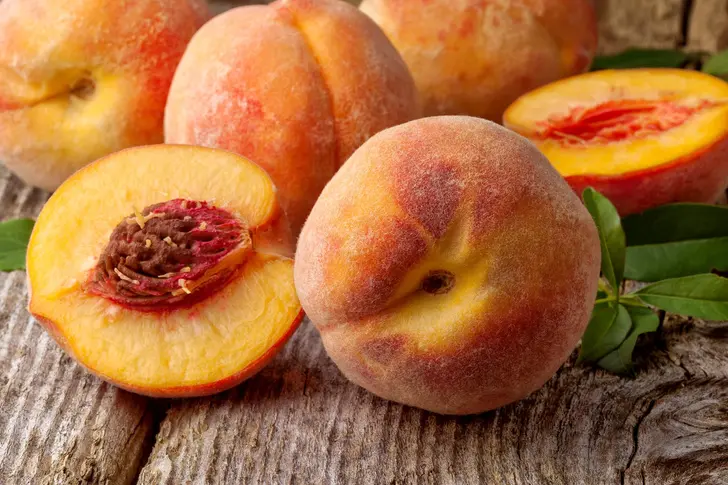

Peaches are juicy, sweet fruits that can be enjoyed fresh, sliced into salads or blended into smoothies. They provide water, fibre and several vitamins and plant compounds. While peaches can be part of a healthy diet, no single fruit prevents or cures disease.
Also Read: Know About The Health Benefits of Chamomile Tea In 2026
Health Benefits of Peach
1. Supports digestion
A medium peach provides around 2 grams of fibre. Fibre helps support normal bowel movements, while eating the skin adds more fibre. Increase fibre gradually and drink enough fluids.
2. Provides vitamins and antioxidants
Peaches contain vitamin C, carotenoids and polyphenols. These nutrients and plant compounds contribute to normal body functions and help protect cells from oxidative damage. Peaches are nutritious, but they are not a treatment for illness.
3. Contributes to hydration
Peaches have a high water content, making them a refreshing fruit choice. They can contribute to daily fluid intake, although water should remain the main drink for hydration.
4. Fits into a heart-conscious diet
Peaches provide potassium, a mineral involved in normal muscle and nerve function and blood-pressure regulation. Their benefits are best understood as part of an overall balanced eating pattern—not as a way to treat high blood pressure or heart disease.
5. Can be a satisfying snack
Whole peaches contain water and fibre and are naturally sweet. They can be a useful alternative to some highly sweetened snacks. Weight management, however, depends on overall dietary and lifestyle habits rather than one fruit.
Possible Side Effects and Precautions
Peaches are safe for most people when eaten in ordinary food portions, but some people should take care.
- Allergy: Peach can cause itching or swelling in the mouth or throat, especially in people with certain pollen allergies. Stop eating it if symptoms occur. Trouble breathing, faintness, or swelling of the tongue or throat requires emergency medical help.
- Digestive discomfort: Larger portions may cause bloating, gas or loose stools in people with sensitive digestion. Try a smaller portion if you notice symptoms.
- Blood sugar considerations: Peaches contain natural carbohydrates. People managing diabetes can often include whole fruit, but portion size and individual meal plans matter. Choose fresh fruit over peaches packed in heavy syrup.
- Food safety: Wash peaches under running water before eating or cutting them. Refrigerate ripe or cut fruit appropriately.
How to Enjoy Peaches
Eat a fresh peach on its own, add slices to yoghurt or oatmeal, or mix it into a fruit salad. The skin is edible and adds fibre, so wash it well if you plan to eat it. For canned peaches, look for options packed in water or juice rather than heavy syrup.
Also Read: Know About The Health Benefits of Sweet Corn In 2026
Conclusion
Peaches offer fibre, water, vitamin C, potassium and antioxidant plant compounds, making them a nutritious addition to a varied diet. Most people can enjoy them safely, but allergies, digestive sensitivity and individual dietary needs may affect tolerance. Enjoy peaches whole and fresh when possible, and seek medical advice for persistent or severe symptoms.
About the Author