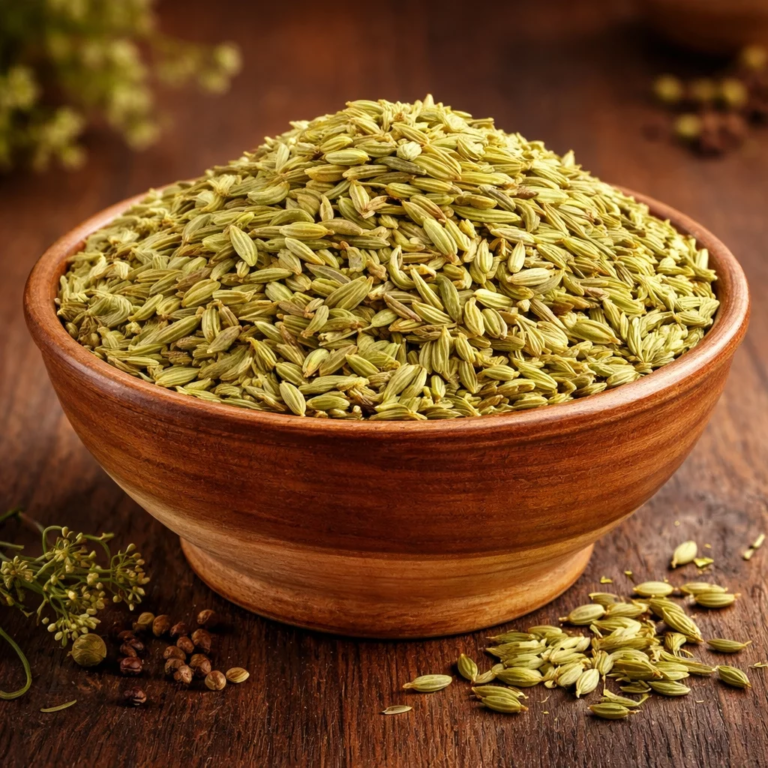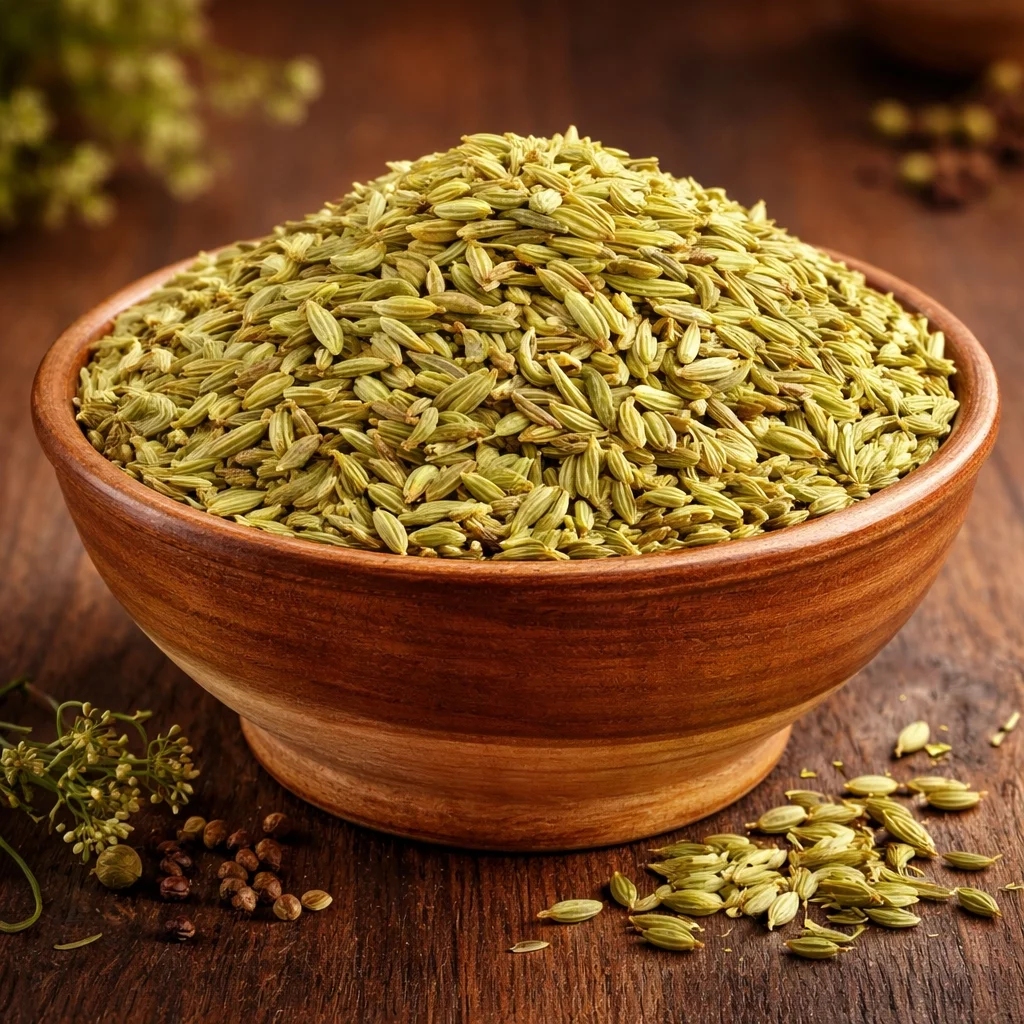

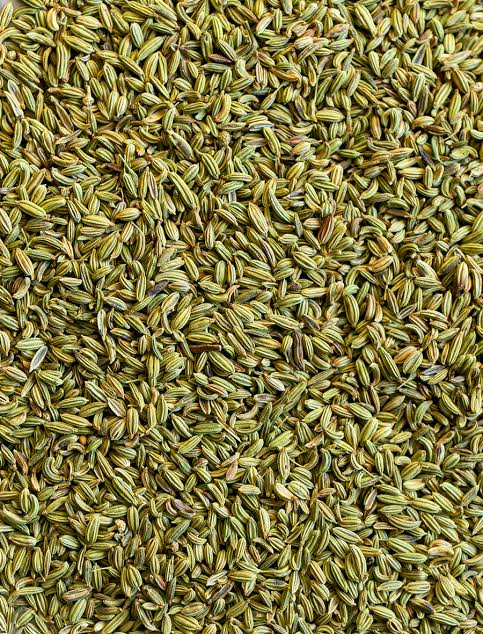
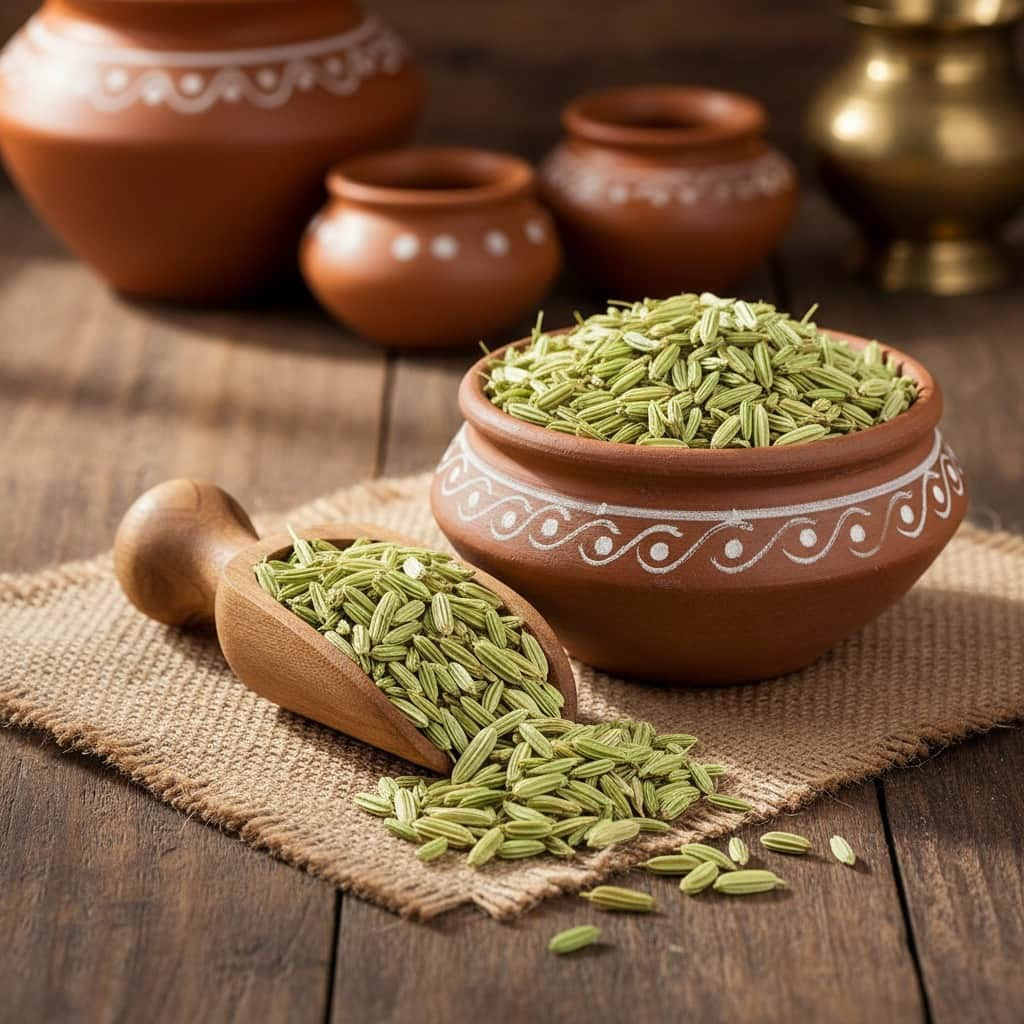
Fennel seeds which are also known as saunf have been a common sight in Indian kitchens for generations. They are put out after meals for their refreshing value, but that is not the extent of their role. Fennel Foeniculum vulgare is an aromatic plant that produces compounds like anethole, as well as many phenolic and antioxidant elements. In 2026, we see research into fennel’s possible digestive, antioxidant, anti-inflammatory, and other health-related benefits increase.
Supports Better Digestion
One of the well-known uses of fennel seeds is for digestion. Many people chew a little saunf after meals, which may in turn help with issues like bloating and gas. Fennel has in the past been used for digestive issues like indigestion, flatulence, and stomach pain. Also, from what we have seen in research that looked at fennel tea, there is a reported action on stomach muscle activity, which in turn may play a role in some of its traditional uses for digestion. It is also true, though, that most of the present evidence is from lab, animal, or small-scale human studies instead of large clinical trials.
Provides Antioxidant Compounds
Fennel is a source of various plant-based compounds which are antioxidants. Antioxidants play a role in protecting cells from damage which is brought about by free radicals. In the lab and in experiments, we have seen that fennel does indeed have antioxidant properties, which makes it a very interesting ingredient for research into the diet-health relationship. At the same time, it is important to note that including fennel in your diet is great, but it should not be looked at as a cure for diseases related to oxidative stress.
May Have Anti-Inflammatory Properties
Another issue of interest is inflammation. In terms of research that has been done on fennel and its bioactive compounds, we see anti-inflammatory results, especially in lab settings. This has in turn prompted more study into what may be the useful applications of fennel in the management of inflammation-related conditions. That said, at this time it is important to note that the results we see in the lab may not translate to proof that what we see in regular consumption of fennel seeds is treatment for chronic inflammatory diseases.
May Help With Menstrual Discomfort
Fennel has also drawn attention for women’s health. In terms of primary menstrual pain, research has looked at fennel preparations, which reported that fennel in the studies looked at did, in fact, reduce menstrual pain. Also, the researchers put forth that we need more high-quality studies, which in particular should include larger and more diverse groups of people and better in-depth safety reports.
Easy Way to Improve Your Daily Menu.
Fennel is a favorite because it is very easy to work into a routine diet. The seeds may be chewed out after meals, added to curries and spice blends, or used to make fennel tea. What we do in the kitchen with fennel is different from taking concentrated fennel oil or supplements, which will have much higher levels of some compounds.
What About Weight Loss?
Fennel, which is put forth on the internet as a natural weight loss ingredient, is a claim that we should take with a grain of salt. While some research has looked at fennel in relation to appetite or body composition, what we have in terms of human research is not strong enough to put fennel forward as a weight loss solution. Instead, what is very important for weight management is a healthy diet, regular physical activity, getting enough sleep, and attaining the right calorie balance.
Is Fennel Safe?
Fennel in most cases is well received by adults when had in typical food amounts. As for concentrated forms of the herb like essential oil, do not treat them as you would ordinary food. Also, if you have allergies to other plants in the same family as fennel, be careful. Also, pregnant and breastfeeding women and those who take regular medications should get professional medical advice before trying concentrated fennel preparations.
Final Thoughts
Fennel seeds are a small yet interesting element of what we see in traditional food culture and present in modern nutrition research. What we put forth that they may do from a digestive, antioxidant and anti inflammatory stand point is that which is put forth also, we are looking at their role in menstrual discomfort and other health issues, which is still in development. In 2026, the best approach is to include fennel as part of a balanced diet instead of looking at it as a universal cure. Traditionally, they may be valued, but we still need to see what large-scale human research shows in terms of what fennel is really able to do for specific health issues.
About the Author