
Planning for retirement involves much more than making investment decisions for your retirement savings. In fact, the issue of long-term care services and related expenses can lead to considerable financial pressure on retirement investments. Those needs may include assistance with daily tasks or provision of care at home or in assisted-living facilities, and can arise abruptly.
Because it is important to evaluate these needs during retirement planning, individuals may wish to include long-term care insurance in their retirement plans. Insurance coverage may help alleviate the burden of financial investment or excessive reliance on family members.
Why is long-term care relevant to retirement planning?

Due to ageing, one is likely to experience chronic conditions or to restrict mobility, making constant care necessary. The need for continuing assistance in case of a need does not coincide with the need for hospitalization or medical treatment.
Regular health insurance policies are planned around the costs occurring as a result of hospital stays or professional care. They do not cover all types of help people may need for their long-term care needs.
For that reason, forward-thinking can enable safeguarding retirement savings while offering families more financial predictability.
What is Long-Term Care Insurance?
Long-term care insurance provides financial assistance for persons who require continuous help due to the inability to carry out normal daily tasks on their own.
Depending on a given plan, the insured care may include nursing at home, nursing homes, assisted living, or other types of eligible care.
Some crucial points to consider include:
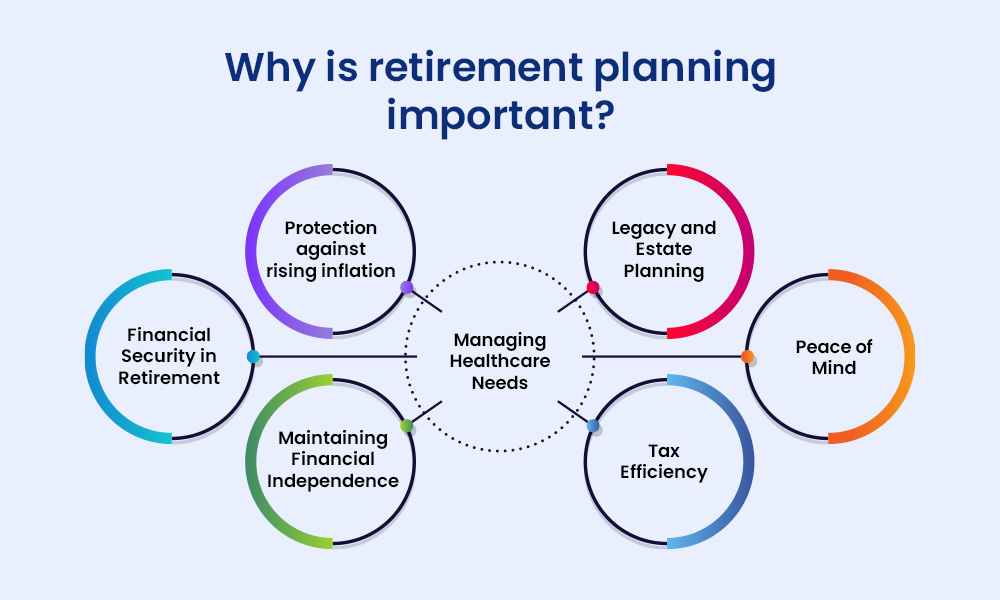
Benefit amount: the amount of money a person may get for eligible care.
Benefit duration: the length of time for which a person will enjoy benefits.
Waiting period: the amount of time to be waited before benefits are obtained.
Eligibility criteria: some conditions making it hard for the person to perform certain daily routine activities.
Inflation protection: some features of benefits increasing benefits with time.
Care options: ability to get home care and facility-based care.
The exact coverage differs considerably between policies, so the terms and exclusions should always be reviewed carefully.
Major Benefits for Retirees
One of the biggest advantages of planning for long-term care is protection of retirement savings. Rather than covering all extended care costs from pension funds, fixed deposits, investments, or other resources, relevant insurance may assist financially.
It will also lessen the stress on relatives of people who need care.
Moreover, the presence of insurance is actually another positive aspect. Depending on the particular policy, a person may have a chance to receive home care or make use of a qualified nursing or assisted care center.
Moreover, some policies can combine life insurance.
Options Provided in India
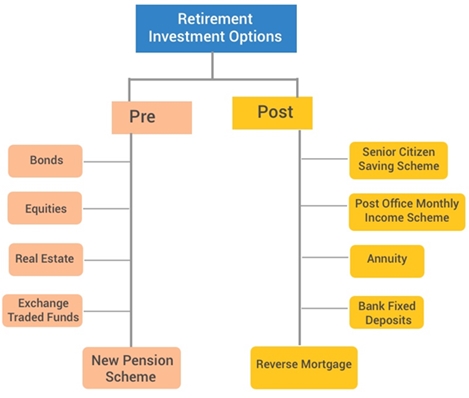
While stand-alone long-term care insurance is a bit less common compared with standard health insurance, a retirement plan can also include several other policies, including those related to health insurance for elderly people, critical illness insurance, disability benefits, top-up health insurance, riders for a life insurance policy, or some other special products in those cases when such products exist.
Consequently, buyers should not think that the elderly health plan will provide effective long-term care insurance.
How to Select Suitable Coverage
Before purchasing a policy, compare the benefit amount with potential future care expenses. Also check the waiting period, exclusions, claim conditions, renewal provisions, inflation-related features, and whether care at home is covered.
It is equally important to examine the insurer’s financial standing, service record, policy wording, and claim process rather than choosing a plan solely on premium price.
Why Starting Early Can Help
Considering long-term care while you are relatively young and healthy may provide more choices and potentially lower premiums, depending on the product and underwriting rules. Early planning also gives you more time to incorporate premiums into your overall retirement budget.
Ultimately, long-term care planning is about preparing for a possibility rather than expecting it. Combining appropriate insurance with retirement savings, emergency funds, and family discussions can create a more comprehensive financial strategy for later life.
About the Author