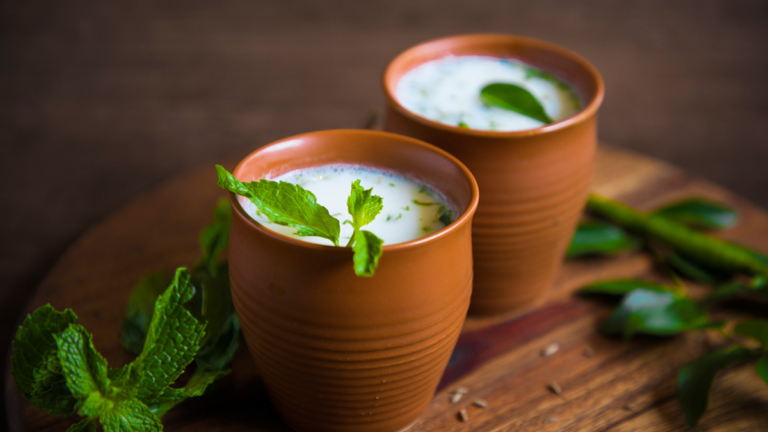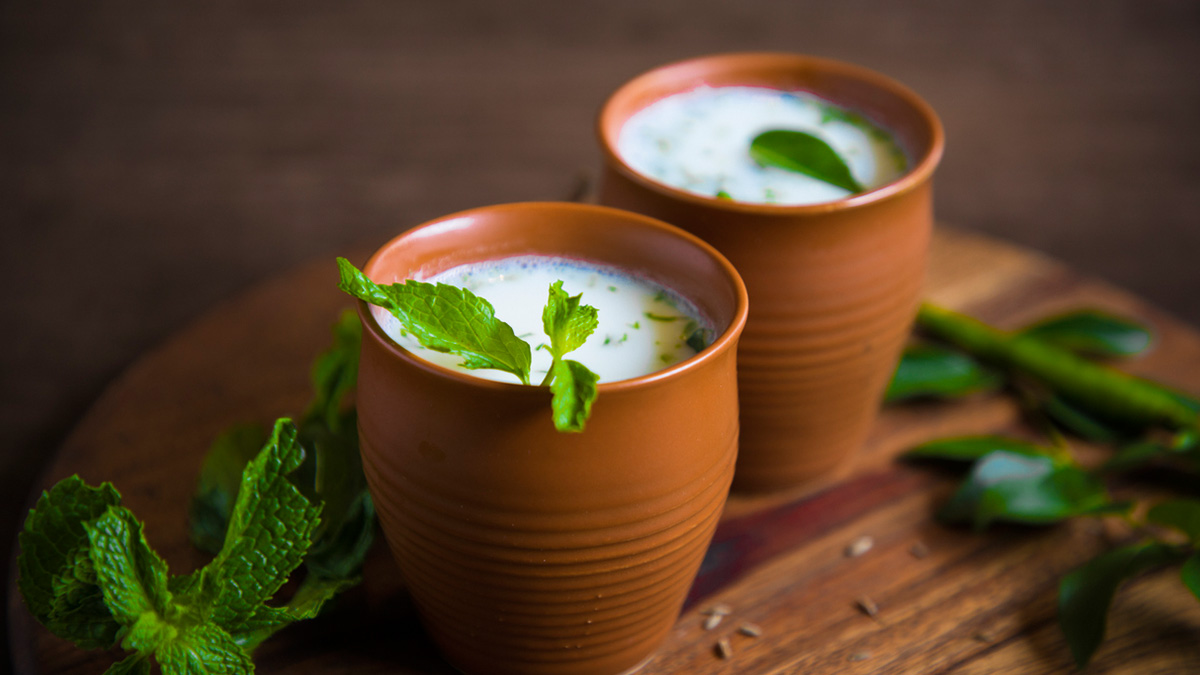

As summer hits India, what could be more refreshing than a chilled glass of buttermilk? In many homes, especially during hot afternoons, a glass of homemade chaas is a tradition. It is light, very refreshing, and does not require a complex recipe. Beyond its familiar taste, buttermilk also contributes to a balanced diet.
Buttermilk is a fermented dairy product which has a natural tangy taste. In the past, it was the liquid that remained after the separation of butter from cream during churning. Presently, what is found in grocery stores is usually milk that has been added with certain bacterial cultures.
What Makes Buttermilk Nutritious?
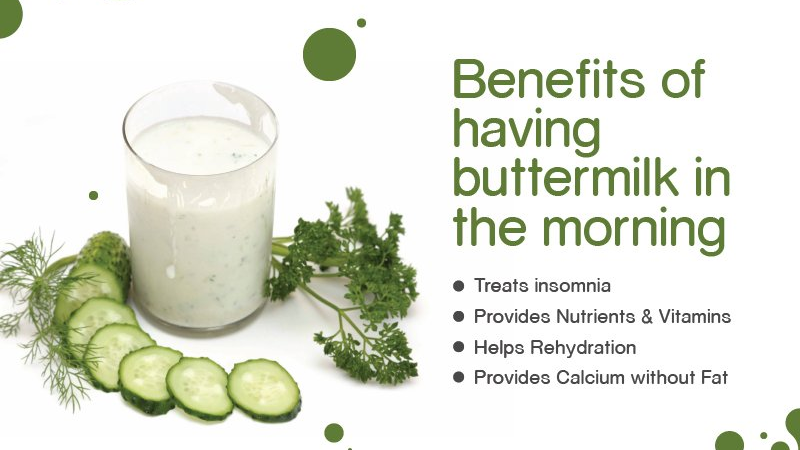
But also take note that buttermilk is a great source of many nutrients without being very heavy. We see in a cup of cultured buttermilk a good dose of protein, calcium, carbs, and also a little bit of fat. Also, it is a source of B vitamins like riboflavin and vitamin B12.
Its calcium content helps support healthy bones and teeth. Also, the protein in buttermilk plays a role in normal muscle maintenance. At the same time, its nutritional value may vary by brand and whether it has been fortified, which is why it is a good habit to check the nutrition label.
Potential Health Benefits
One of the top reasons people enjoy buttermilk is that it is a very refreshing and easy-to-digest option. The fermentation process also reduces some lactose in milk, which in turn makes cultured buttermilk an easy choice for some with lactose sensitivity. At the same time, though, it may not be the best for all lactose-intolerant people.
But also, buttermilk is a source of bone health due to its calcium and phosphorus content. Also, if it is fortified with vitamin D, it provides an additional nutritional benefit.
Also of interest is what it has as a fermented product. Cultured buttermilk does, in some cases, include live cultures based on the production method, which in turn may play a role in the health of the gut microbiome. Also, we have seen research into certain milk-derived components that report on the possible role of what buttermilk does in cholesterol absorption and blood pressure regulation, though it is to be noted that buttermilk does not put forth itself as a treatment for these.
Summer’s Special Beverage
In India, buttermilk is a staple outside of the home fridge. A basic glass of masala chaas, which is made with yogurt, water, roasted cumin, coriander, and a pinch of salt, can transform a routine meal into a much more pleasant eating experience.
Buttermilk is also a great ingredient in the kitchen. It does a great job in making pancakes, biscuits, and cakes, which it does by way of its acid, which reacts with baking soda. Also, buttermilk is used in dishes like kadhi, and its mild acid makes it a great marination for chicken and fish.
Making It at Home
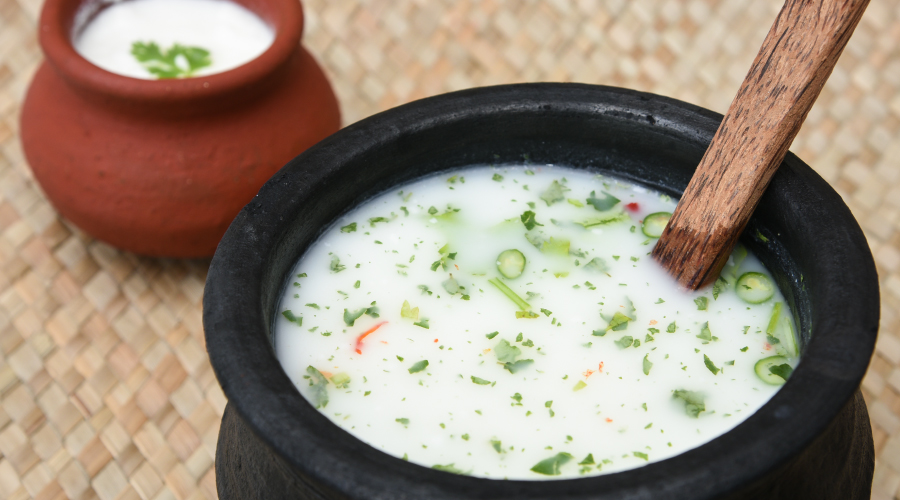
One of the simplest versions is that of whisking plain curd with water till smooth. In this, also add roasted cumin powder, coriander, and salt for a traditional chaas. For baking, we may use the substitute of adding lemon juice or vinegar to milk and letting it stand for a few minutes.
A Small Habit Worth Keeping
Buttermilk may not be a health magic fix, and it’s true that you can’t base your health choices on it. But also, it’s a great option for many as it does a great job of hydrating, has nutrients, flavor that is refreshing, and is very versatile.
For me, what I love about traditional foods like chaas is that they don’t have to be complex to fit into a health-conscious diet. At times, a basic preparation that you make at home can be very soothing and also very healthful.
About the Author