Diet to Include for TB

Tuberculosis (TB) is a health issue that puts great stress on the body. Also, in addition to taking prescribed medication, it is important to maintain good nutrition, which in turn supports overall health, strength, and the recovery process. In 2026, the WHO report8 is to put forward its guide, which says that we do see a need for nutritional assessment and appropriate diet support for people affected by TB, especially for the undernourished.
Why Nutrition Matters During TB
People who have TB may see their appetite decrease; they may lose weight and at the same time require more nutrition. Also, it is noted that undernutrition does play a role in how TB turns out, which in turn means that illness and poor nutrition do indeed feed into each other. WHO reports that it is best practice to include nutritional assessment and counseling in the diagnosis and treatment of TB.
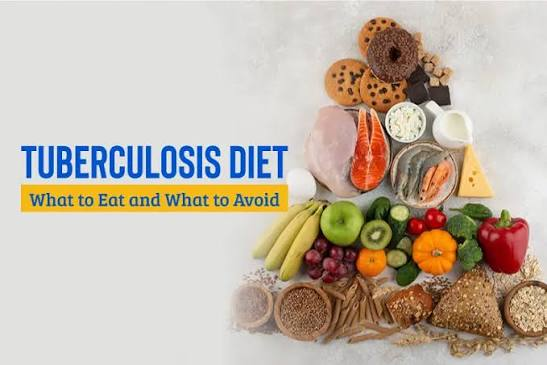
A healthy diet is key to put forth energy and nutrients, which in turn helps in maintenance of body weight and support of normal body functions during recovery.
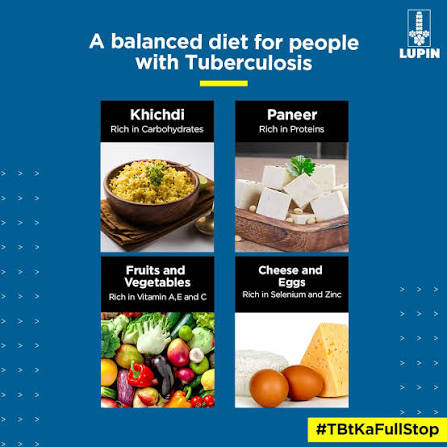
Diet to Include for TB:
A TB-friendly diet should include a variety of nutritious foods. Protein plays a key role in the repair and maintenance of body tissues and strength. Great options are eggs, milk and yogurt, fish, chicken, pulses, beans, lentils, soy products, nuts and seeds.
Fruits and veg are a source of vitamins, minerals, fiber and other healthful nutrients. As for grains, we see that oats, brown rice and whole wheat products supply energy and carbs. Also, healthy fats from nuts, seeds and proper cooking oils may also play a role in increasing the energy value of meals.
For those for whom large meals are a struggle, we put forward smaller and more frequent meals, which may be better tolerated. Also, we see value in adequate fluids unless a doctor has said otherwise.
Foods and Habits to Limit
TB has no single food cure. We have our medications, which are the main treatment, and it is important for patients to finish the full course as directed by health care providers.
Highly refined foods, large amounts of added sugar, and items that don’t contribute much in terms of nutrition should be used instead of a balanced diet. Also, alcohol and other substances that may affect health or treatment should be discussed with a health care provider.
The Importance of Individual Guidance
A TB diet is not a one-size-fits-all plan. People with large-scale weight loss, diabetes, pregnancy, other health issues, or severe undernutrition may require individual dietary advice. WHO’s 2025 report says that for people with TB, who in turn have mild, moderate, or severe undernutrition, we should see nutritional interventions as part of total TB care.
In general, a healthy and diverse diet is a component of supportive care during tuberculosis treatment, which at the same time must include prescribed medication.
About the Author