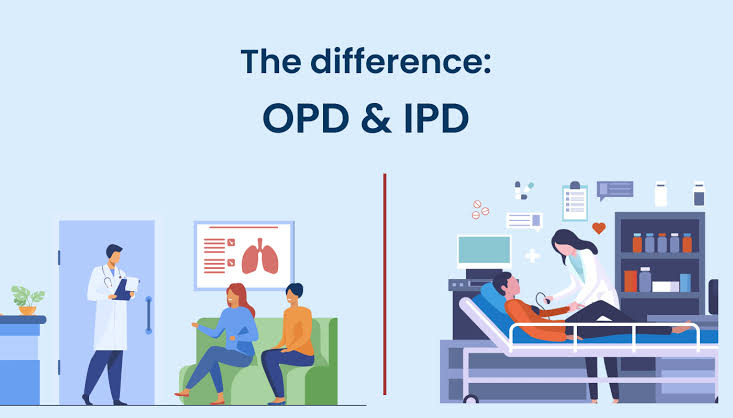

OPD and IPD are terms which are used in most health care settings and health insurance. While both of them include medical care, they differ in the setting the patient is in as a inpatient or outpatient. It is important to know the difference between OPD and IPD when you are choosing health insurance, as not all policies will cover outpatient care; in contrast, hospitalisation is a usual feature in health insurance plans.
What Is OPD?
OPD is an abbreviation of Outpatient Department. In the case of OPD care, a patient comes to a clinic, hospital or related health care facility for evaluation, diagnosis or treatment which does not include an inpatient or day care stay.
Examples of OPD services may include: Examples of OPD services may include:.
Doctor consultations
Routine diagnostic tests
Follow-up appointments
Prescription medicines
Outpatient procedures that do not require a hospital stay.
Physiotherapy and certain other outpatient treatments
Whether out-of-pocket payment for these health issues is covered by insurance depends on the policy. Some insurance plans may include OPD coverage as a plus feature or a separate option, but there are also those that do not cover regular outpatient expenses.
What Is IPD?
IPD means Inpatient Department. Inpatient treatment in IPD is when a patient is admitted to the hospital for health care which the hospital sees through to completion. It is for cases of illness, injury, surgery or other issues that require in-depth treatment and close watch.
Health insurance, which is a part of a certain plan, will cover eligible expenses in the form of hospital room charges, doctor and surgeon fees, medicines, diagnostic tests, and other treatment-related costs. Also, coverage is as per the terms, limits, exclusions and conditions that are present in that particular policy.
Difference Between OPD and IPD
Feature OPD IPD
Meaning Outpatient Department Inpatient Department
Hospital admission: Not admitted. Patient reports admission.
Duration – may be for a short while or overnight. May also be long-term.
Common services include consultation, tests, medicines and follow-ups. We also provide surgery, intensive treatment and hospital-based care.
Insurance coverage: Varies by policy. Commonly included in hospitalisation cover, as long as it is within the terms of the policy.
Cost for most procedures is lower per visit. Can see great variation in price based on treatment.
The main point of difference is in the issue of hospital admission. For outpatient care, which we term OPD, the patient does go into the hospital or clinic but leaves the same day back at home. With an IPD patient, we have a formal inpatient setting where they stay for treatment and monitoring.
OPD vs IPD in Health Insurance
Understanding what is covered and what isn’t is very important at the time of buying health insurance. A plan may include great hospitalisation benefits but at the same time have a low or nil coverage for routine doctor visits, medicines or diagnostic tests which do not include an inpatient stay.
For instance, if a patient goes to see a doctor and is given a prescription without being admitted, the expense typically goes under OPD care. If the said patient is admitted to the hospital for a procedure or a health issue which requires inpatient treatment, the related eligible hospitalisation expenses may go under IPD coverage.
Some health insurance plans do cover OPD benefits which include consultations, diagnostic procedures and pharmacy costs. But the available benefits and what is included can vary between plans.
Why Understanding the Difference Matters
Knowing what is covered under OPD as opposed to IPD will help policyholders with their understanding of what is included in their plan and also which out-of-pocket expenses to expect.
Before you buy a health insurance policy, see that:
Whether OPD expenses are covered
The annual OPD limit, if applicable
Whether doctor consultations are included
Whether health care and diagnostic services are covered.
Hospitalisation eligibility requirements
Waiting periods and exclusions
Deductibles, co-payments and sub-limits
Network hospital and cashless treatment conditions
Also, it is of great importance to note that daycare treatment is a different entity from what we see in routine OPD care and traditional inpatient IPD hospitalisation. Some procedures which may not require a 24-hour hospital stay can still be classified as daycare treatments based on the policy wording.
Conclusion
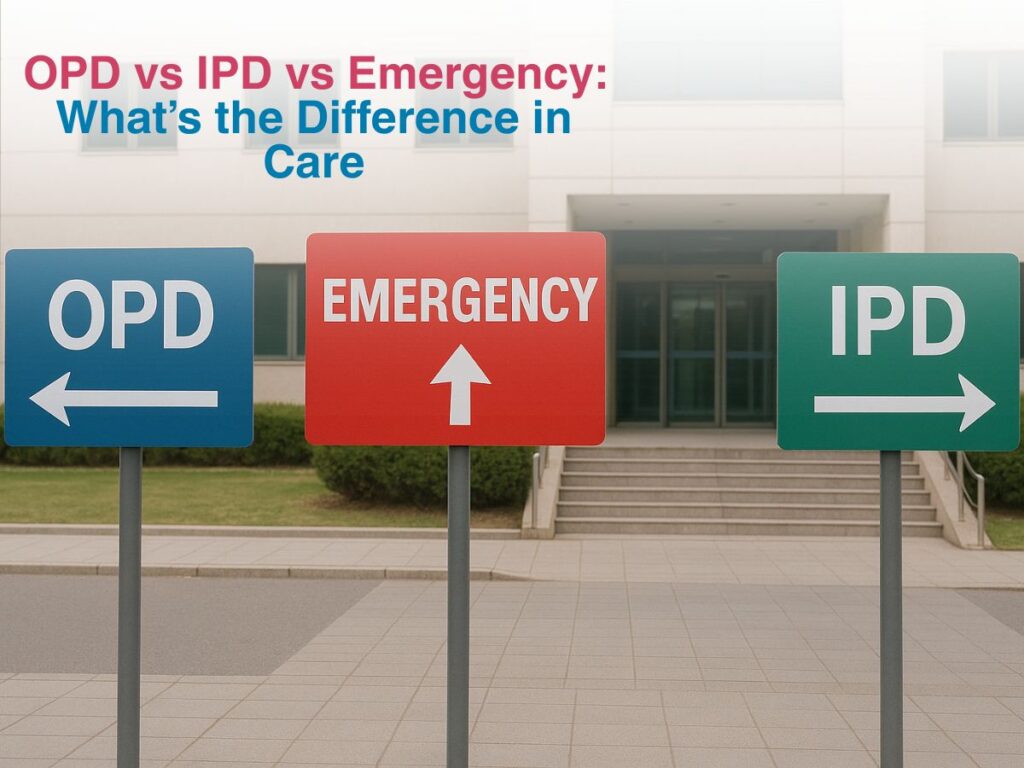
OPD and IPD are terms which describe different health care settings. In OPD, outpatients are seen for diagnosis and treatment which do not require hospital stay, in IPD, we are talking of inpatients who are admitted into the hospital for treatment.
In 2026, for health care coverage, it is to your benefit that you familiarise yourself with this distinction, which in turn will help you choose a policy that best fits your health care needs. Also, do not assume that any health insurance plan will cover all your OPD bills. Before you buy a plan, do check the policy document: what is covered, what is not covered and any other terms and conditions which apply.
FAQs on OPD and IPD
What do we see as the primary difference between OPD and IPD?
The primary difference is between inpatient and outpatient care. OPD treatment does not require a hospital stay; IPD treatment does, which in turn means a stay in the hospital.
Is OPD covered by health insurance?
It depends on the policy. Some health insurance plans include OPD benefits, while others may only cover hospital and day care expenses.
Is IPD covered by health insurance?
Eligible inpatient care costs are included in most health insurance plans, which may not be the case with all policies. Check the terms, the limits, exclusions and waiting periods.
Are medicines covered under OPD?
Routine out of hospital medicines are what usually are covered by a policy only when that policy includes an OPD or pharmacy benefit. Also, coverage limits and terms may vary.
Is your child’s care in daycare equivalent to that of an OPD setting?
No. Daycare services include medical or surgical procedures which are performed in a hospital setting but do not require a 24-hour inpatient stay. OPD is used for care which does not include admission of the patient as an inpatient or for day care.
Disclaimer: This article is for general information purposes only. Health insurance coverage varies among insurers and policies. We recommend that you read the policy wording and Customer Information Sheet very carefully and also, at the very least, consult the insurer or a qualified insurance professional for clarification of what is covered.
About the Author