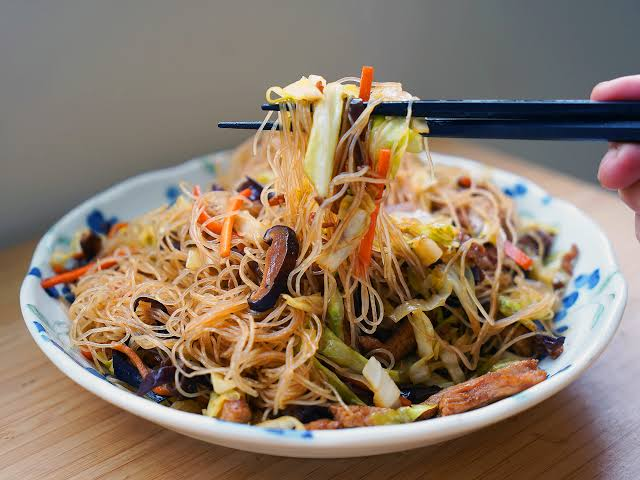
Vermicelli is a staple in many Indian homes. Also known as seviyan, semiya, or shavige in various regions, it is used in sweet and savory dishes. From a breakfast of vermicelli upma to grand festival dishes of seviyan kheer, this thin noodle has become a common element in day-to-day cooking. In 2026, as health consciousness is on the rise and people are seeking out balanced diets, vermicelli is positioning itself as a health-conscious and versatile meal option.
However, we see great variation in the health benefits of different types of vermicelli. Wheat, whole wheat, semolina, and rice vermicelli may present different nutrient values. In terms of whole wheat varieties of vermicelli, these usually also contain more fiber than the fine varieties. Also, rice vermicelli is a good option for people on a gluten-free diet.
Provides Energy for Daily Activities
Vermicelli is in the carbohydrate group, which in turn is a great source of energy for the body. At breakfast or lunchtime, a serving of it is very filling and is put together with veggies and a protein source. What we get from carbs is glucose, which the body in turn uses for energy during the course of the day, while at work and at the gym.
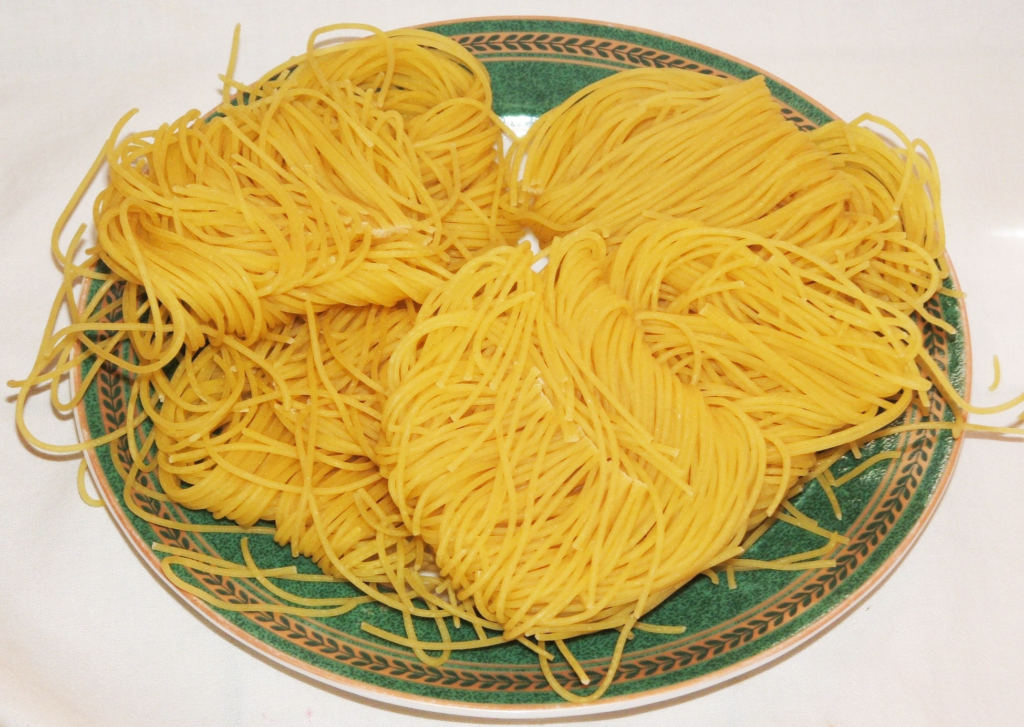
Energy content varies by type of product and also by the time of measurement, before or after cooking. In the case of vermicelli, we see that dry vermicelli contains a great many more calories by weight than when cooked, which is due to the addition of water during the cooking process.
Whole Grain Vermicelli Provides More Fiber
Among the different types of vermicelli, the main difference is in their fiber content. Whole wheat vermicelli includes more of the grain as compared to refined flour-based varieties. Fiber supports normal digestive health; it can also cause a feeling of fullness after eating.
A 2026 report states that whole wheat vermicelli has about 3.5 grams of fiber per 100 grams of dry product and that refined versions may have much less.
Adding to the fiber content of a meal includes vegetables like carrots, beans, peas, capsicum, and leafy greens in your vermicelli.
Can Provide Protein
Although we may not think of vermicelli as a high-protein food item by itself, wheat-based varieties do add some protein to the diet. It has been reported that whole wheat vermicelli provides about 12.5 grams of protein per 100 grams of dry product, which is the case for some brands and forms of the product, although values do range between different brands and formulations.
In a well-rounded meal, vermicelli is mixed with protein-rich items like eggs, paneer, curd, lentils, peas, soy products, or nuts.
May Support Better Meal Choices
Vermicelli as a base is very basic; it is what you put in it that determines its nutritional value. A vegetable vermicelli upma, which we prepare using a moderate amount of oil, will be very different from a sweet vermicelli, which is made with lots of sugar, condensed milk, or ghee.
For a healthy diet, which is what we want to see on our plates, people may put in whole grain vermicelli, load up on veggies, and include a source of protein. Also, we may use reasonable amounts of oil and salt to keep the meal balanced.
Glycemic Reaction Based On Type
It is not true that all types of vermicelli react the same in terms of blood sugar. What we do see from research is that the glycemic index of pasta and vermicelli products is a variable which depends on the ingredients and how they are put together. For example, one review reported that within rice and special varieties of vermicelli there were different GI values.
This means that, if you are concerned about blood sugar issues, you should pay attention to the ingredient list, serving size, and accompaniments instead of labeling vermicelli as a whole as either “healthy” or “unhealthy.”
Rice Noodles Are a Gluten-Free Option
Rice vermicelli is different from wheat vermicelli in that it is made from rice flour, which in turn is made from milled rice, as opposed to wheat. Also, this makes rice vermicelli a gluten-free product and a great choice for people with gluten issues. At the same time though, rice vermicelli does, in most cases, have a lower protein and fiber content, as do some whole wheat varieties.
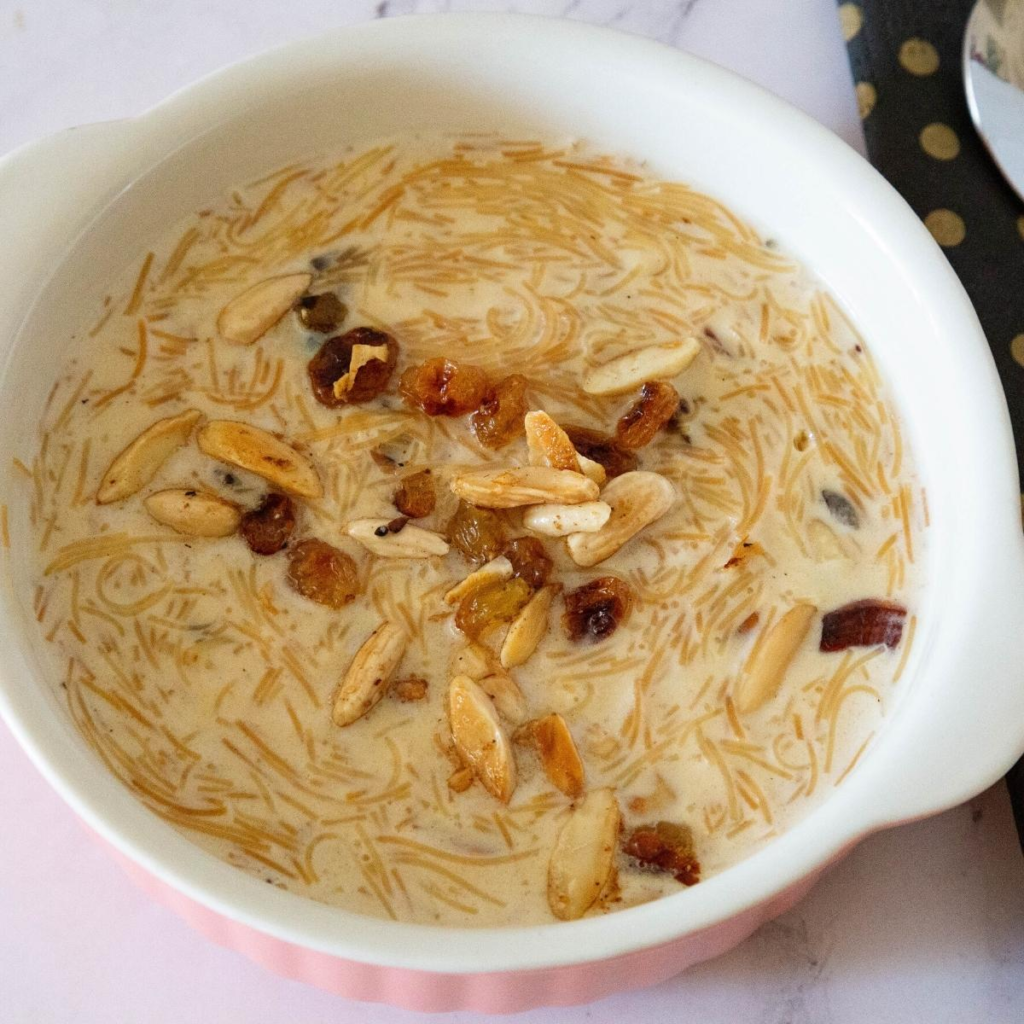
Between rice and wheat vermicelli, the choice should be based on individual dietary needs and health goals.
Easy Go-To Food for Busy Lives
Another benefit of vermicelli is that it cooks fast and may be put together using basic ingredients. For students, working professionals, and families interested in quick meals, bean noodles (what some call vermicelli) may be the solution.
The base is not to use vermicelli as the main ingredient. A healthy meal should be made up of a mix of carbohydrates, protein, vegetables, and healthy fats.
Final Thoughts
In 2026, vermicelli has a role in a healthful diet. We see whole wheat varieties which provide fiber and protein, and also rice vermicelli, which is a gluten-free option. But the health benefits of it do greatly depend on the type of vermicelli, the size of the serving, and what is used in the preparation.
Instead of a black-and-white classification of vermicelli as healthful or unhealthful, it is better to look at how it is produced and what it is paired with. Whole grain choices, addition of veggies and protein, and reduction of excess sugar, salt, and fat can transform a basic plate of vermicelli into a more healthful and filling meal.
About the Author