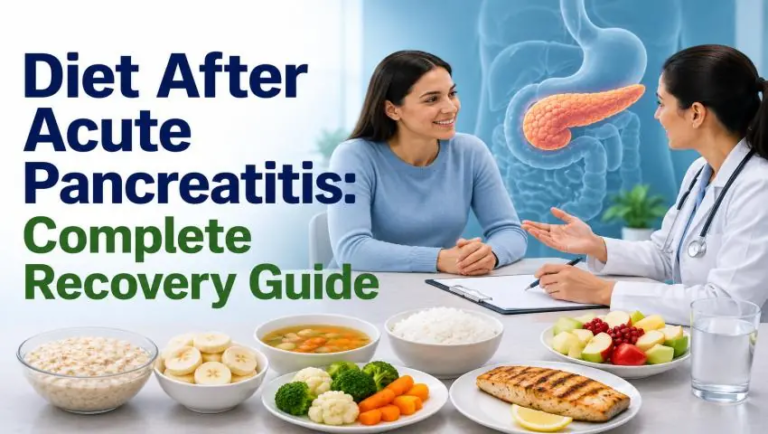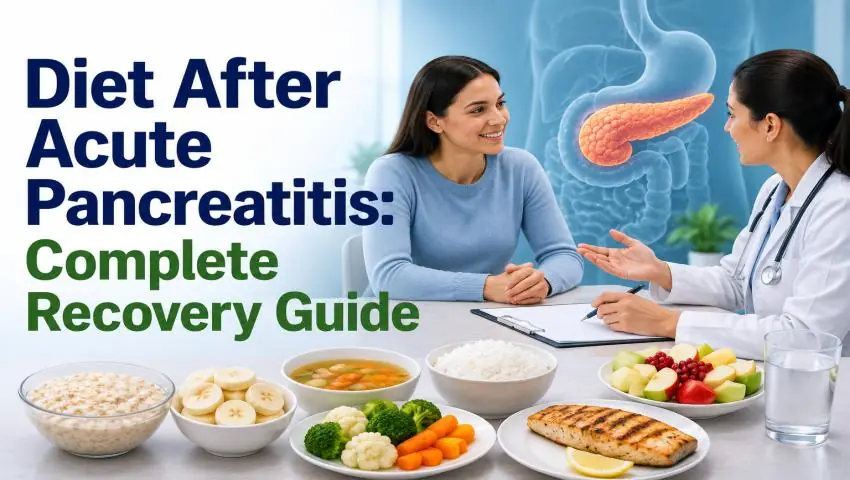
Acute pancreatitis is sudden inflammation of the pancreas, which can lead to stomach problems and nausea and vomiting. While medical treatment is crucial in such a case, the significance of nutrition in the recuperation is not to be underestimated. A patient receives meals when appropriate, according to symptoms and needs.
The acute pancreatitis diet typically emphasizes being well-nourished and hydrated while avoiding fatty foods. Since recovery is a personal process, dietary alterations will also depend on the given medical prescription.
What Is an Acute Pancreatitis Diet?
No single diet can be adopted by every individual suffering from acute pancreatitis. Initially, some patients may require fluid intake for a limited time. Once the symptoms start getting better, food can be introduced progressively.
When an individual is not on a special diet, moderate portions of low-fat meals can typically be more appropriate than consumption of large amounts of heavy, fatty food. Hence, Indian foods such as rice, chapati, dal, cooked vegetables, curd, and lean proteins can be consumed by a person suffering from this illness.
Key Principles to Follow
A recovery-friendly eating pattern generally includes:
Smaller, regular meals: Eating moderate portions throughout the day may be easier to tolerate.
Limited fat: Reduce fried foods, rich gravies, excessive oil, butter, ghee, and high-fat meats.
Adequate protein: Dal, low-fat dairy, eggs, or lean protein can help meet nutritional requirements when tolerated.

Sufficient fluids: Water and other suitable fluids help maintain hydration.
Gradual fibre intake: Cooked vegetables and other fibre sources can be introduced according to individual tolerance.
No alcohol: Alcohol should be avoided, particularly when it has contributed to pancreatitis.
Foods That May Fit an Indian Meal Plan
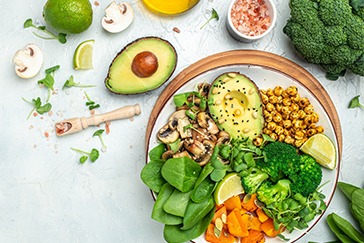
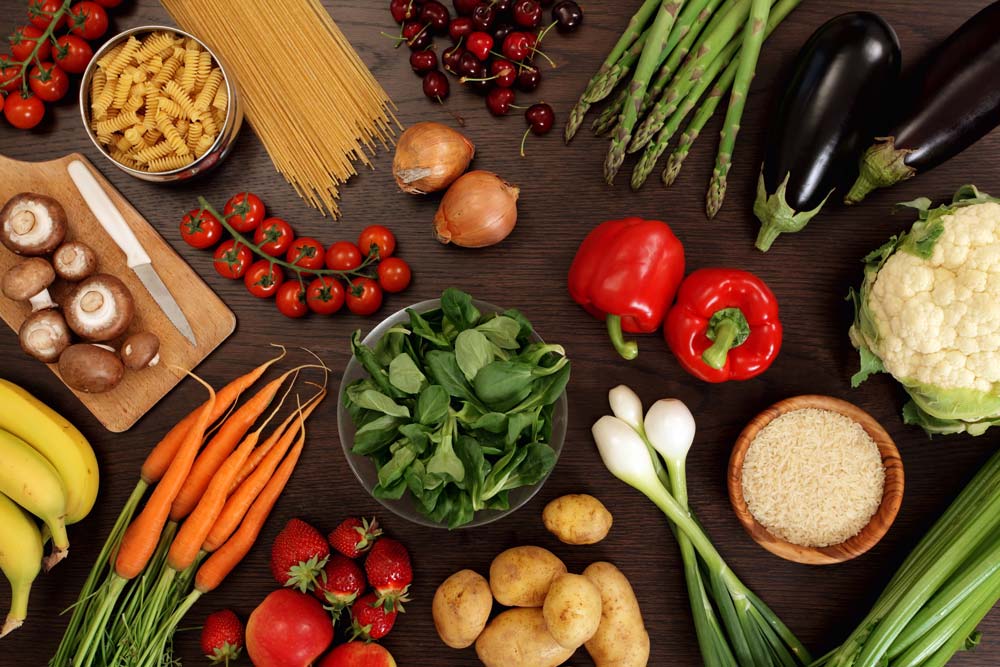
Simple, lightly prepared foods can make meals easier to manage. Options may include moong dal, soft khichdi, plain rice, chapati, oats, cooked vegetables, bananas, papaya, low-fat curd, and other foods recommended by a dietitian.
Food group Examples Preparation idea
Grains Rice, oats, chapati Boiled or prepared with minimal oil
Pulses Moong dal, masoor dal Cook until soft
Vegetables Bottle gourd, carrot, spinach Steamed or lightly cooked
Dairy Low-fat curd, milk Choose lower-fat options
Fruits Banana, papaya, apple Fresh and well washed
Protein Dal, egg, lean protein Avoid deep frying
Foods to Limit or Avoid
Fried snacks such as samosas, pakoras, puris, and chips can be high in fat and may be difficult to tolerate. Rich curries, large quantities of ghee or butter, fatty meats, full-fat dairy products, creamy desserts, and heavily processed foods are also generally best limited.
Alcohol should be avoided, as it can be an important contributor to pancreatitis and may increase the risk of further pancreatic problems.
Sample One-Day Meal Plan
A simple day could include oats with low-fat milk for breakfast, soft moong-dal khichdi with cooked vegetables for lunch, fruit or low-fat curd as a snack, and chapati with dal and lightly cooked vegetables for dinner.
Portions should be individualized. Certain individuals require diets that contain more calories or protein during the recovery period, particularly after an illness or losing considerable weight.
Recovery Tips
Eating food slowly, skipping big meals, and noting down the food consumed can help identify problematic food items. Meals should be cooked with a small quantity of oil, and rest and hydration should be taken care of.
Patients having recurrent bouts of pancreatitis, any bladder issue, diabetes, weight loss, or nutritional deficiencies may require specialized instructions from a doctor or a registered dietitian.
Common Mistakes to Avoid
A major mistake is going back to fried/high-fat food as soon as symptoms subside. Other mistakes are missing meals, restricting food intake needlessly, consuming alcohol, or following very strict dietary instructions without guidance from a professional.
In case of the appearance of abdominal pain, vomiting, fever, jaundice, dehydration, or worsening of symptoms, immediate medical attention should be sought.
About the Author