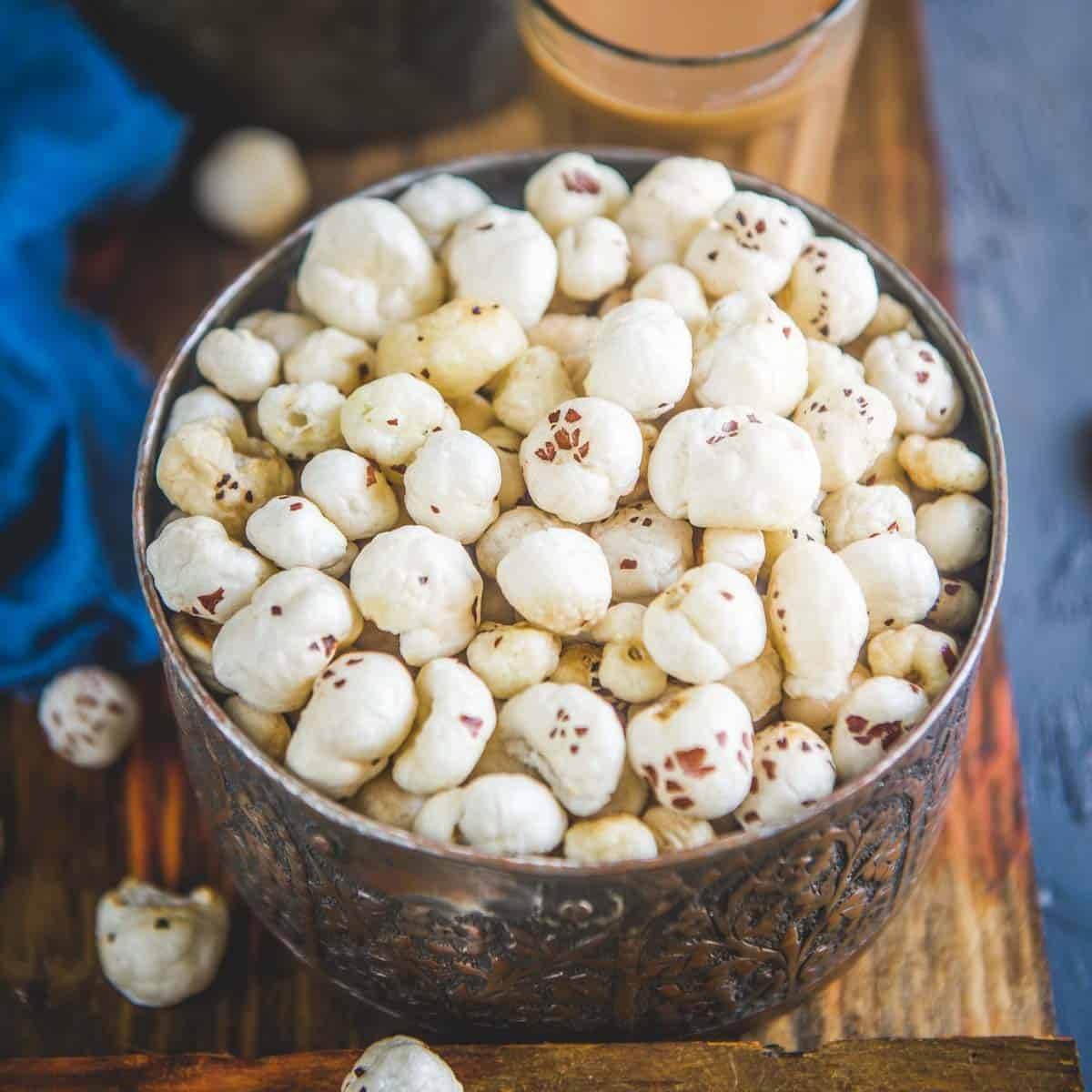

Makhana, which is also known as fox nuts and phool makhana, has become a very popular healthy snack in India. This small, white, and crisp food item has outgrown its role in traditional fasting and religious practices. In 2026, makhana has made its way into the daily diet because of its nutritional value, light texture, and versatility. It is a great addition to a variety of dishes when roasted, spiced up with seasonings, put in desserts, or just had as a snack.
Makhana is from the species of the plant Euryale ferox, which is an aquatic plant. It is also referred to as lotus seed, which is not true, as it is a different entity from the lotus plant. In India, especially in Bihar, we see large-scale cultivation of makhana. The seeds are collected, dried, and processed, which in turn produce the puffed snack that we find in our homes and markets.
A Nutrient-Rich Snack
Makhana’s high popularity is due to its nutritional profile. Studies report that makhana contains carbs, protein, minerals, bioactive compounds, and that it has very low fat content. One study reports 9.7% protein and 0.1% fat, but that may vary based on which variety and how it is processed.
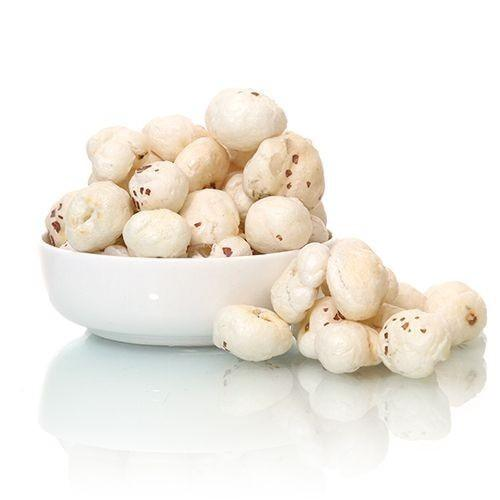
Makhana is a source of minerals like phosphorus and potassium. It’s a great option for those looking for health-conscious snack choices that also fit into a well-rounded diet plan. When you would have reached for some French fries or very calorie-dense chips, instead try makhana, which is also a great addition to a balanced diet.
May Support Heart Health
Makhana is a great option for those who are trying to follow a heart-healthy diet. It is low in fat, and we also see that it contains phenolic compounds, flavonoids, and other bioactive elements in fox nuts. Also, in early stages of research, these elements are reported for their antioxidant and other biological actions.
However, it is true that single-handedly makhana can’t prevent heart disease. It does, however, mainly in its role of trading in for less nutritious snacks and in an overall balanced lifestyle.
Helpful for Weight Management
In 2026, for those that are trying to manage their weight, makhana is a great snack option. The protein and the crunch it provides do a great job of satisfying the urge for something crispy without the need for deep frying. Also, the protein and other nutrients in makhana will leave you feeling full.
The prep is key. A bowl of makhana that is roasted with a little oil and mild seasonings is very different from one that is covered in large amounts of butter, sugar, or other high-calorie ingredients. Also pay attention to portion size.
May Improve Healthy Blood Sugar Levels
Another also of note is the low glycemic profile of makhana. Fox nuts research has reported that makhana is a low-glycemic option and that roasting changes the profile of their phenolic compounds, antioxidants, and glycemic response.
This in no way means that makhana is a diabetic treatment. People with diabetes should still look at total carb content, serving size, and also the other ingredients used in preparation.
Supports Digestion
Makhana is a good source of fiber. Fiber plays a key role in normal digestion and also supports regular bowel movements. As part of a balanced diet, include fiber-rich foods, which in turn is beneficial for digestive health.
For a person who doesn’t usually eat a high-fibre diet, it is sensible to increase intake gradually at the same time as increasing fluid intake.
A Source of Antioxidant Compounds
Makhana has drawn scientific attention for what it contains of bioactive compounds. It has been reported that phenolic compounds, flavonoids, and other metabolites play a role in its antioxidant properties.
Antioxidants do play a role in protecting cells against oxidative stress. As for reports that put forth that makhana is a cure for diseases or that it greatly reverses ageing, we don’t have strong clinical evidence to support those claims. It is better to see makhana as just another healthy option in a balanced diet.
Into Every Day’s Menu
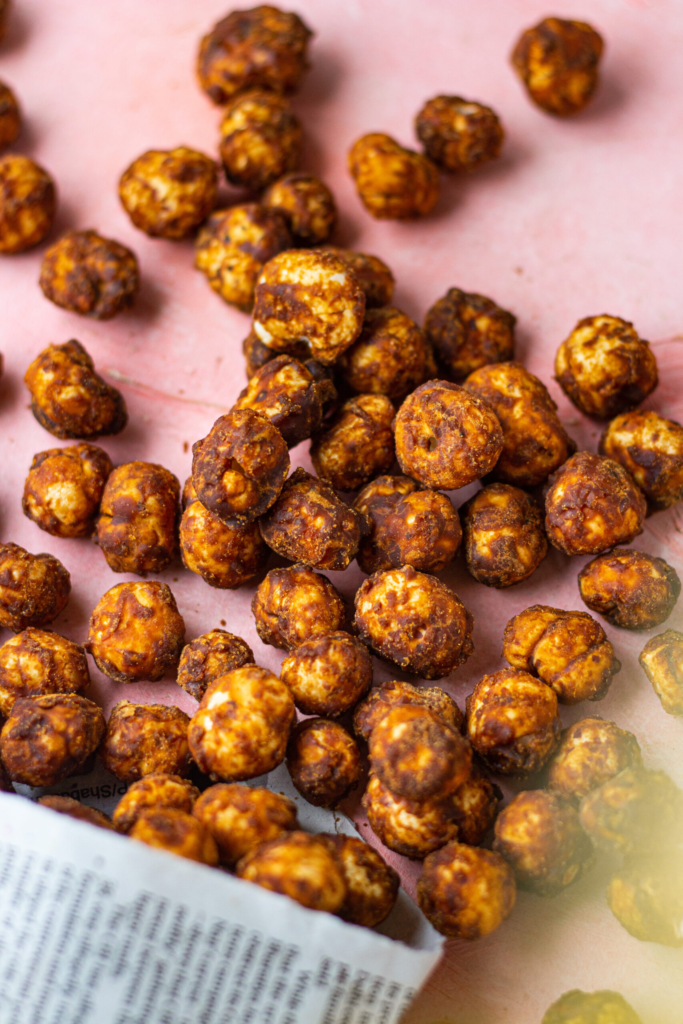
Perhaps what is best about makhana is its versatility. It may be dry roasted and dressed with black pepper, cumin, or a little salt. Also, it is used in classic dishes like makhana kheer or added to various snack mixes.
In health-conscious preparation, we should reduce the use of oil, sugar, and salt. Also, people with food allergies must be careful, especially if they have had past reactions to similar foods.
Final Thoughts
Makhana has become a health food trend which was once a staple in Indian culture. Its protein, mineral content, low-fat structure, and bioactive compounds make it a great element in a healthy diet. While there is research that reports very good nutrition and functionality from it, we do still need more human studies before we can put forth many health-related claims for certain.
In 2026, we see a trend of increased popularity for makhana, which is a sign of a larger shift towards simple, minimally processed, and traditional foods. When properly prepared and taken in moderate amounts, this crisp food puts forth a great alternative to many typical packaged snacks. Makhana’s true value is not that it is a cure-all, but that it presents a healthy and versatile option that very easily fits into a daily diet.
About the Author