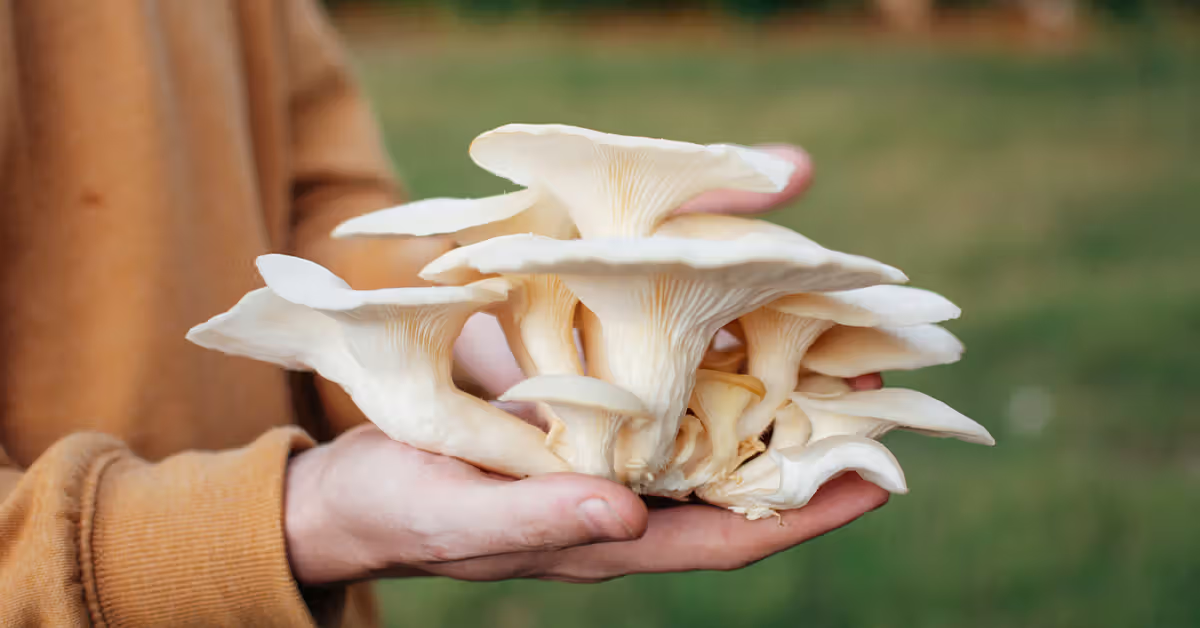

Oyster mushrooms are growing in popularity among those who seek out healthy, economical, and varied food options. They have a very delicate texture and mild flavor, which makes them very easy to include in day-to-day meals like soups, stir-fries, curries, noodles, salads, and sandwiches. Also beyond the kitchen table, oyster mushrooms are gaining attention for their nutritional content and also for the health-promoting compounds they contain.
In 2026 we see the growth of the mushroom market, which is due to consumers who are becoming more aware of health and sustainability issues related to what they put in their bodies. Of the many species of mushrooms out there, the oyster variety from the Pleurotus group stands out for its great nutritional value and is also very low in calories.
A Nutrient-Rich Food
Oyster mushrooms are known for their great nutritional value. They provide protein, dietary fiber, vitamins, minerals, and also different bioactive compounds. They may include large levels of certain B vitamins, potassium, phosphorus, and other minerals, which may vary based on the type of mushroom, growth conditions, and preparation method.
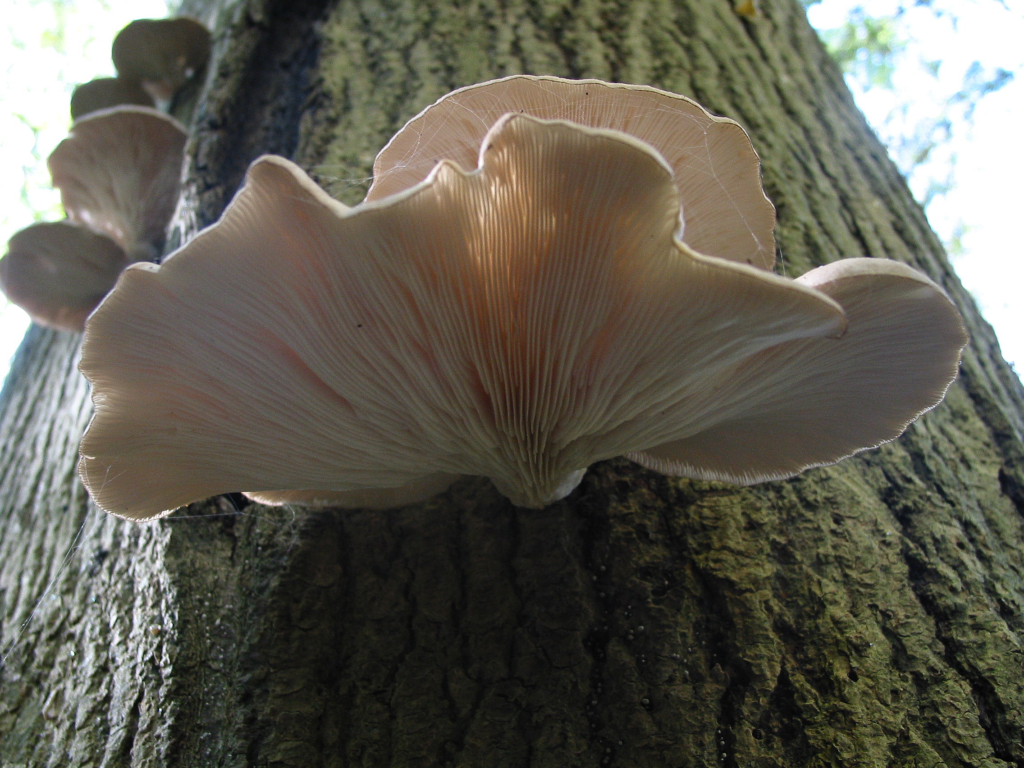
Their low calorie content also makes vegetables a great base on which to build meals; instead of using a lot of highly processed ingredients that may not be as healthy, by adding in mushrooms, you also increase the variety and texture of the final dish.
May Support Heart Health
Oyster mushrooms are a source of dietary fiber and also contain what science has noted over time to be interesting bioactive compounds. In some studies that looked into edible mushrooms, it was found that certain bioactive elements in them play a role in issues like cholesterol metabolism, which in turn is related to heart health.
However we should not think of mushrooms as a remedy for high cholesterol or heart disease. They do best as part of a total diet which includes lots of vegetables, fruit, whole grains, legumes and other healthy options.
A Source of Antioxidant Compounds
Another cause of the oyster mushrooms’ popularity is what they bring to the table in terms of antioxidant content. Antioxidants include vitamins and enzymes that the body uses to counter free radicals and bring balance to what may be an imbalanced free radical-to-protective system ratio in the body.
Oyster mushrooms have phenolic and other antioxidant compounds that are still in the research stage. Also, including a wide range of foods high in antioxidants into your diet is a smart way to support health.
May Support the Health of the Immune System
Oyster mushrooms produce beta-glucans, which are a type of natural polysaccharide that we see in the cell walls of many fungi. Also, it has been noted that beta-glucans play a role in interaction with the immune system.
This does not mean that oyster mushrooms are a preventive for infections or a substitute for medical care. Instead, they may be included in a wide range of diets that provide a diversity of essential nutrients and bioactives for the health of the body.
Helpful for Digestive Health
Dietary fiber is a key component for normal digestion, and oyster mushrooms are a good source of it for the daily diet. Also, adequate fiber intake promotes regular bowel movements and helps in maintaining a healthful digestive system.
Mushroom fiber also plays a role in the intestinal food environment, which is very much a home to beneficial microflora. That is why we see value in including mushrooms with vegetables, fruits, whole grains, and legumes, which in turn promote a wide range and balance in your diet.
A Good Option for Plant-Based Diets
For folks that are cutting back on meat, oyster mushrooms are an excellent option. They have a chewy texture which makes meals more filling; also, their savory flavor works in a lot of recipes.
They may not be the same in terms of nutrition as meat and should not be put in the place of all the nutrients that animal products provide. But they do add to the variety of vegetarian and plant-based meals when used in combination with beans, lentils, grains, nuts, and seeds.
May Support Healthy Weight Management
Oyster mushrooms do well in a balanced diet for weight management as they are mostly low in calories and they add volume, flavor, and texture to dishes. Using mushrooms, which include oyster mushrooms, in place of higher-calorie ingredients may make meals just as filling without increasing the calorie count.
Weight control is a result of total diet, physical activity, sleep, and other lifestyle choices, which no single food item can claim to cause.

Simple to Add to Any Meal
Oyster mushrooms have very simple yet very practical value; they can be sautéed up with vegetables, included in soups, put in with your noodles, added to rice dishes, at which time they may be prepared as a side or used as a main. Also, I have found that cooking them until they are well done improves their texture and thus makes them a more pleasing food to put in your mouth.
Fresh mushrooms should be stored well and used as long as they are of good quality. Also, for those who are allergic to mushrooms, avoid them; and if you have a specific health issue or dietary restriction, see what a health professional has to say.
Conclusion
Oyster mushrooms are out there for more than just culinary use. They provide fiber, vitamins, minerals, antioxidants, and beta-glucans, which in turn put them forward as a great element of a healthy diet. As the trend heads towards healthier and more plant-based options, we are seeing foods like oyster mushrooms take center stage.
Still, it is true that no single food contains all the health benefits the body requires. We see that the best way is to include oyster mushrooms in a wide variety of diets that also include lots of veggies, fruits, whole grains, legumes, nuts, and other healthy options. In 2026, we will have out that oyster mushrooms’ combination of nutrition, versatility, and affordability makes them a practical choice for people who are looking to improve the healthiness and interest of their daily meals.
About the Author