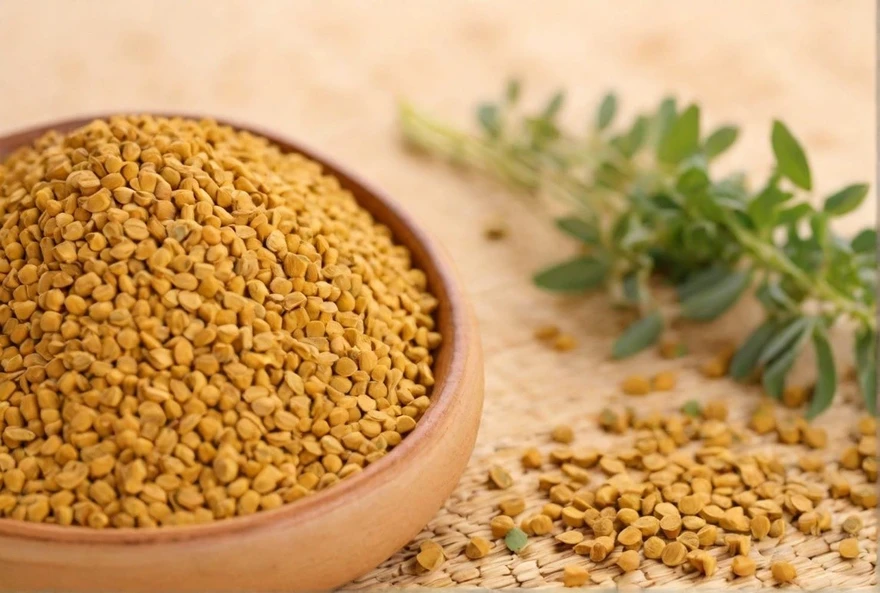

Methi, commonly known as fenugreek, is a popular herb and spice used in Indian cuisine. Both its fresh green leaves and seeds are consumed in different forms, including curries, parathas, dals, spice blends and herbal preparations.
Fenugreek contains dietary fiber and several plant compounds, including saponins, flavonoids, alkaloids and polyphenols. Research has investigated its potential role in blood sugar regulation, cholesterol management, digestion and other aspects of health. However, evidence varies considerably depending on whether fenugreek is consumed as a food or as a concentrated supplement.
What Is Methi?
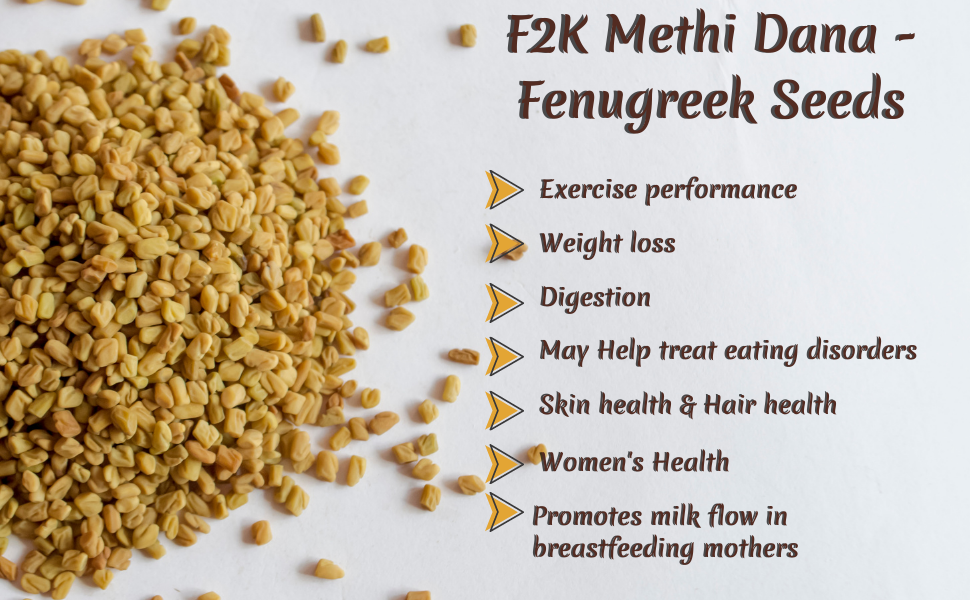
Methi is the common Indian name for fenugreek (Trigonella foenum-graecum). It is a leguminous plant whose leaves and seeds are widely used as food and traditional medicine.
Fresh methi leaves have a slightly bitter, distinctive flavor, while fenugreek seeds have a stronger, somewhat maple-like aroma and taste.
The plant contains several bioactive compounds that have attracted scientific interest, although research is still ongoing.
Also read: Top 20 Best Bollywood Movies Till 2024
Nutritional Value of Methi
Fresh methi leaves can contribute to a balanced diet by providing:
- Dietary fiber
- Plant-based protein
- Iron
- Calcium
- Magnesium
- Potassium
- Folate
- Vitamin A
- Vitamin C
- Vitamin K
- Various antioxidant plant compounds
Fenugreek seeds are particularly notable for their fiber and phytochemical content. They contain compounds such as galactomannan, saponins, flavonoids and alkaloids.
1. May Support Digestive Health
Methi contains dietary fiber, which can support normal digestion and bowel regularity.
Fenugreek seeds also contain soluble, mucilaginous fiber. Including fiber-rich foods in the diet can help support digestive health, particularly when combined with adequate fluid intake.
However, consuming large amounts of fenugreek, particularly in supplement form, may cause digestive symptoms such as diarrhea, nausea or abdominal discomfort.
2. May Help Support Healthy Blood Sugar Levels
One of the most studied potential benefits of fenugreek is its relationship with blood glucose.
Some research suggests that fenugreek may help lower blood sugar levels in people with type 2 diabetes. However, the National Center for Complementary and Integrative Health notes that many studies have limitations, and the overall evidence is not strong enough to establish fenugreek as an effective diabetes treatment.
Therefore, methi can be included as part of a healthy diet, but it should not replace prescribed diabetes medication.
3. May Support Heart Health
Fenugreek contains soluble fiber and several plant compounds that are being investigated for their potential effects on cholesterol and lipid metabolism.
Some research suggests possible improvements in cholesterol-related measures, but evidence from human studies remains limited. A balanced diet rich in vegetables, fruits, whole grains, legumes and other fiber-containing foods remains more important for overall cardiovascular health.
4. Provides Antioxidant Compounds
Fenugreek contains several phytochemicals, including flavonoids, polyphenols and saponins.
These compounds have antioxidant activity in laboratory and experimental research. Antioxidants are involved in protecting cells from oxidative stress.
However, laboratory findings do not automatically mean that consuming fenugreek will prevent a particular disease in humans. More clinical research is needed to establish specific health effects.
5. May Support a Healthy Diet for Weight Management
Methi leaves are relatively low in calories and can add flavor, fiber and micronutrients to meals.
Fenugreek seeds also contain substantial fiber, which may contribute to feelings of fullness. Including fiber-rich foods in meals can be useful as part of an overall balanced eating pattern.
However, there is no strong evidence that eating methi alone causes significant weight loss.
6. May Help Maintain Healthy Cholesterol Levels
The soluble fiber and plant compounds found in fenugreek have been investigated for their possible effects on cholesterol absorption and lipid metabolism.
Some studies have reported favorable changes in cholesterol-related measurements, but the evidence is not sufficiently consistent to consider fenugreek a treatment for high cholesterol.
7. Provides Important Plant Nutrients
Adding fresh methi leaves to meals is an easy way to increase the variety of vegetables and plant foods in the diet.
Depending on the quantity consumed and preparation method, methi can contribute minerals, vitamins, fiber and other naturally occurring plant compounds.
A varied diet remains the best way to obtain a broad range of nutrients.
8. May Support Menstrual Health
Fenugreek has traditionally been used for menstrual discomfort, and some studies have investigated its potential effect on menstrual cramps.
However, current evidence remains limited and of low quality, so more research is needed before firm conclusions can be drawn about its effectiveness.
9. May Have Potential Anti-Inflammatory Properties
Fenugreek contains several bioactive compounds that have demonstrated antioxidant and anti-inflammatory activity in laboratory and experimental research.
These findings are scientifically interesting, but they should not be interpreted as proof that methi can treat inflammatory diseases in humans.
More high-quality clinical studies are needed to establish specific therapeutic benefits.
10. May Support Overall Nutritional Health
Perhaps the most practical benefit of methi is that it can make everyday meals more nutrient-dense and flavorful.
Fresh methi can be incorporated into:
- Methi dal
- Methi paratha
- Vegetable curries
- Methi rice
- Soups
- Mixed vegetable dishes
- Saag preparations
Using methi as part of a varied diet is a simple way to increase consumption of plant foods.
Fresh Methi vs Methi Seeds
Fresh methi leaves and fenugreek seeds are related but are used differently.
| Feature | Fresh Methi Leaves | Methi Seeds |
|---|---|---|
| Common use | Vegetables and curries | Spice and traditional preparations |
| Taste | Mildly bitter and aromatic | Strong, bitter and aromatic |
| Fiber | Provides dietary fiber | Particularly rich in fiber |
| Typical quantity | Used as a vegetable/herb | Usually consumed in smaller amounts |
| Common preparations | Dal, paratha, curry, saag | Spice blends, soaked seeds, supplements |
The health effects observed in studies of concentrated fenugreek seed preparations should not automatically be assumed to occur from eating ordinary portions of fresh methi leaves.
Methi Water: Is It Beneficial?
Soaking fenugreek seeds overnight and drinking the resulting water is a popular traditional practice.
However, there is not enough high-quality evidence to establish that methi water has special health benefits compared with eating fenugreek as part of a normal diet.
Claims that methi water can independently cure diabetes, rapidly burn fat or detoxify the body should therefore be treated cautiously.
Possible Side Effects of Methi
Methi is generally considered safe when consumed in the amounts commonly found in food.
However, larger amounts or concentrated supplements can cause:
- Diarrhea
- Nausea
- Stomach discomfort
- Digestive upset
- A potentially excessive drop in blood sugar
- Allergic reactions in susceptible individuals
Fenugreek can also interact with some medicines. Anyone taking regular medication should consult a healthcare professional before using concentrated fenugreek supplements.
Is Methi Safe During Pregnancy?
Normal amounts of methi used as food are different from high-dose fenugreek supplements.
According to the NCCIH, fenugreek is not considered safe during pregnancy in amounts greater than those normally found in food, because its use in higher amounts has been associated with an increased risk of birth defects.
Pregnant women should therefore avoid taking concentrated fenugreek preparations unless specifically advised by a healthcare professional.
Frequently Asked Questions
Is methi good for daily consumption?
Fresh methi can generally be included in a balanced diet. As with other foods, variety and moderation are important.
Does methi help control blood sugar?
Some studies suggest that fenugreek may lower blood sugar, but the quality of evidence varies. It should not replace prescribed diabetes treatment.
Is methi good for digestion?
Its fiber content can support normal digestion and bowel regularity. Large amounts of fenugreek, however, may cause digestive problems in some people.
Can methi help with weight loss?
Methi contains fiber and can be part of a healthy, filling diet, but there is not sufficient evidence that methi by itself causes significant weight loss.
Is methi water better than eating methi?
There is insufficient evidence to show that methi water is superior to eating methi. Whole foods provide a broader range of nutrients and fiber.
Can everyone take fenugreek supplements?
No. People taking medication, pregnant women and individuals with certain health conditions should seek professional advice before using concentrated fenugreek supplements.
Final Thoughts
Methi is a versatile ingredient that can contribute fiber, vitamins, minerals and beneficial plant compounds to the diet. Research has particularly examined fenugreek for its potential effects on blood sugar, cholesterol, digestion and menstrual health.
However, many of the stronger health claims surrounding methi are based on traditional use, laboratory research or small clinical studies. Therefore, it is best viewed as a nutritious food rather than a cure or replacement for medical treatment.
Including fresh methi in a varied, balanced diet is a practical way to enjoy its nutritional benefits in 2026.
Also read: https://link.amazon/B03Gga9uw
About the Author