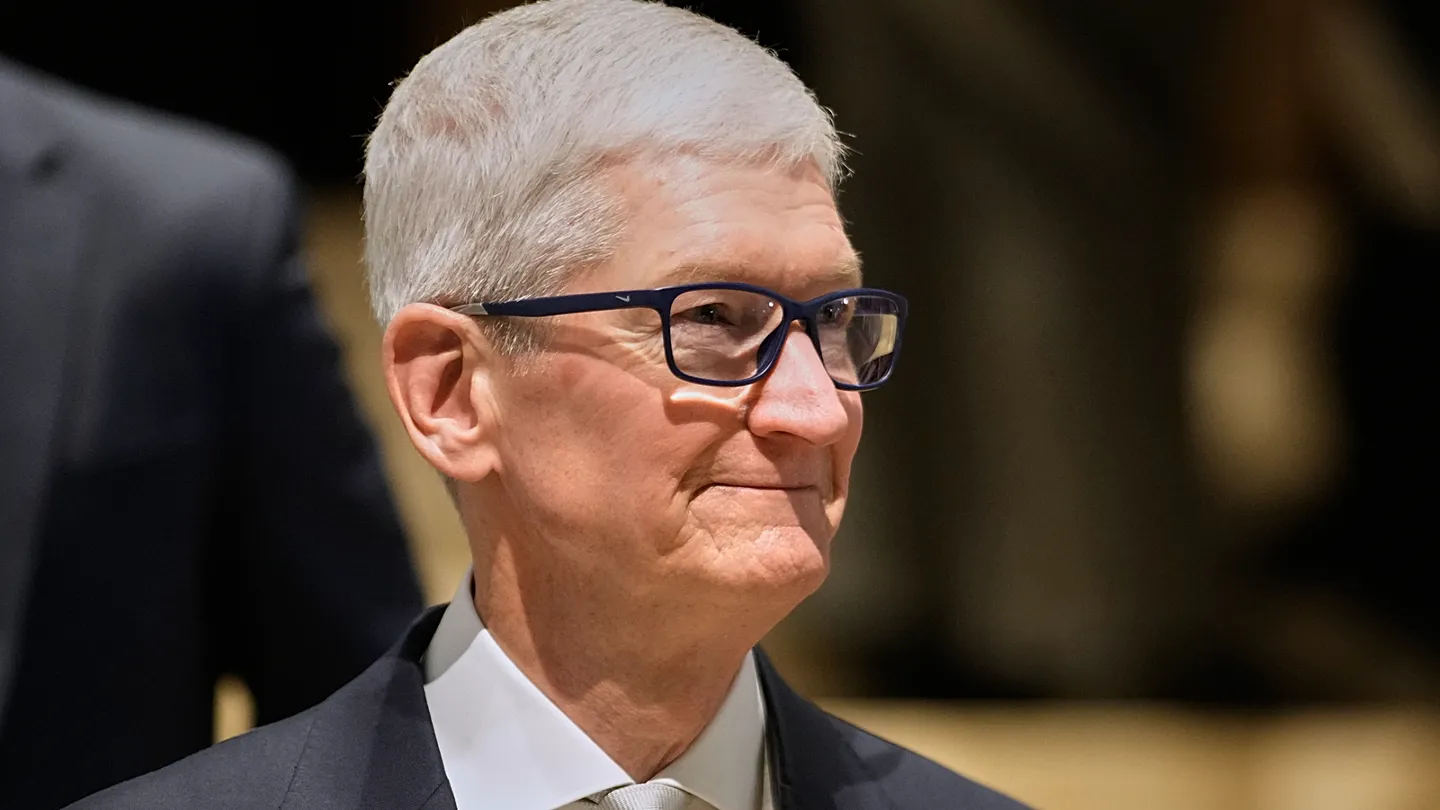

Tim Cook’s Success Story: The Quiet Operator Who Built a $4 Trillion Apple
Some leaders become famous for big speeches. Tim Cook became famous for making things work. For fifteen years, he ran one of the most valuable companies on earth, and 2026 marks the year he handed over the keys.
An Alabama Kid with an Engineer’s Mind
Cook was born in 1960 in Alabama. He studied industrial engineering at Auburn University, graduating in 1982, and later earned an MBA from Duke in 1988. His early career was far from glamorous: about twelve years at IBM, followed by stints at Intelligent Electronics and Compaq. It was the kind of grounding in supply chains and logistics that few people at the time would have called exciting.
The Man Behind the Machine
Cook joined Apple in 1998 as a senior vice president, when the company badly needed discipline. He shut down the company’s own factories and warehouses and shifted to contract manufacturers. Inventory shrank, storage costs fell, and profits rose. By 2007 he was running operations, and when Steve Jobs took medical leave, Cook stepped in to hold things together. In August 2011, with Jobs resigning, the board named him CEO.
Filling Impossible Shoes
Plenty of analysts wondered whether Apple could survive without its founder. Cook answered with steady execution rather than showmanship. His tenure brought Apple Watch, AirPods, Apple Pay and Apple TV+, plus the $3 billion Beats purchase, which was then Apple’s biggest deal. Under him, Apple became the first publicly traded U.S. company to pass a $4 trillion market value. He often said that getting people, strategy and execution right is the whole game.
Recognition followed: the Financial Times named him Person of the Year in 2014, Fortune ranked him among the world’s greatest leaders, and he received the Human Rights Campaign’s Visibility Award. He is also the first openly gay CEO of a Fortune 500 company.
The 2026 Handoff
On his final day as chief executive, Cook sent employees a heartfelt note, reminding them that they share a belief that what they build matters. He isn’t disappearing, though. As executive chairman, he still handles engaging with policymakers around the world. That’s a fitting role for a man whose real talent was always relationships and logistics, not the spotlight.
What We Can Learn from Him
Cook’s story is a good reminder that success doesn’t always look loud. He built his career on preparation, patience and quiet competence. He earned trust before he earned the title, and when the moment came, he was ready. For anyone starting small, that may be the most useful lesson of all: master the unglamorous work, and the big opportunities tend to find you.
About the Author