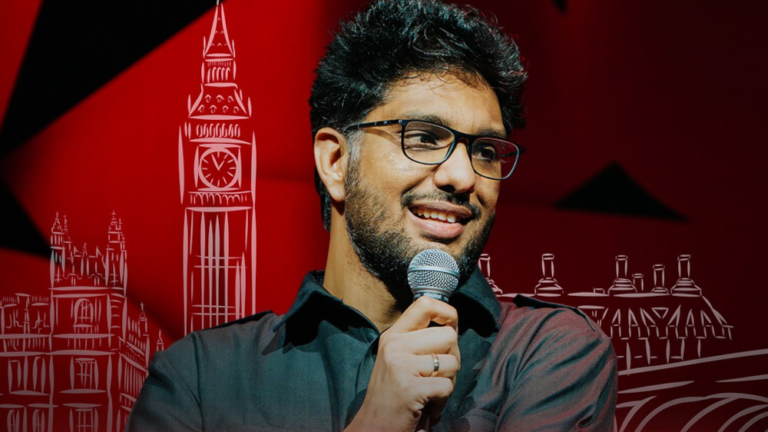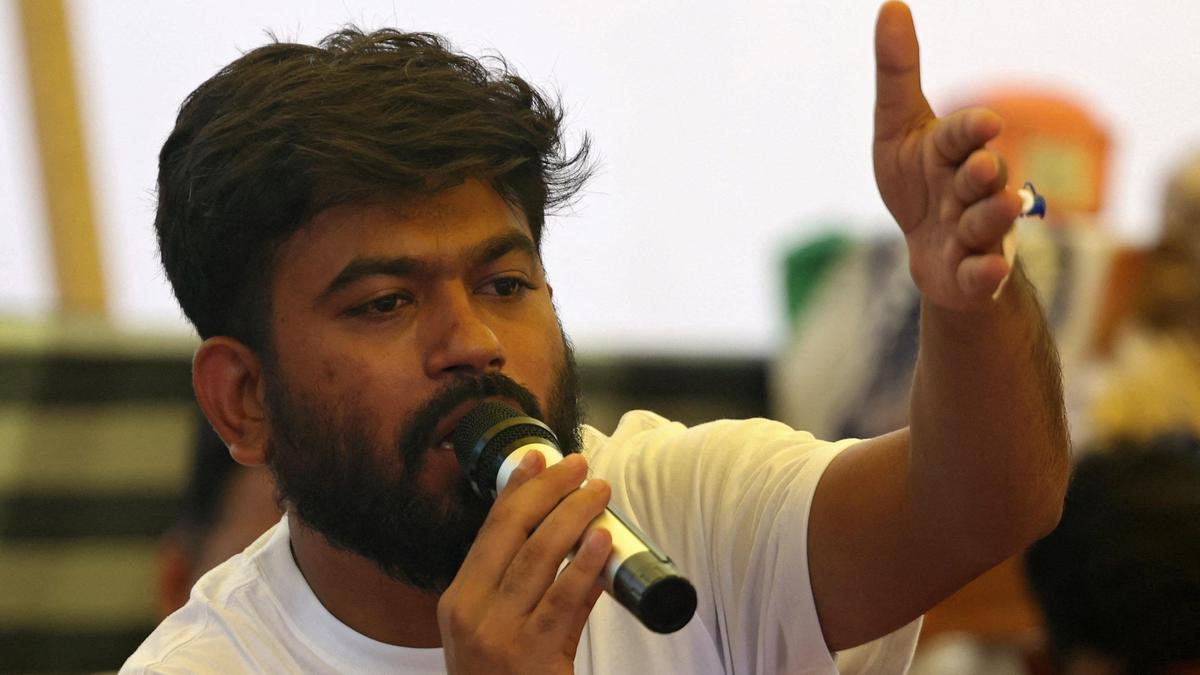

Abhijeet Dipke is a political strategist from India who also functions as a digital communicator and social media volunteer, which brought him to the fore in 2026 for the viral CJP movement. Born and raised in Aurangabad, Maharashtra, he made a name for himself through innovative political communication and digital campaigning. What made him stand out is his public relations expertise, which, when combined with his experience in political social media management, enabled him to turn an online trend into what is now one of India’s fastest-growing digital movements.
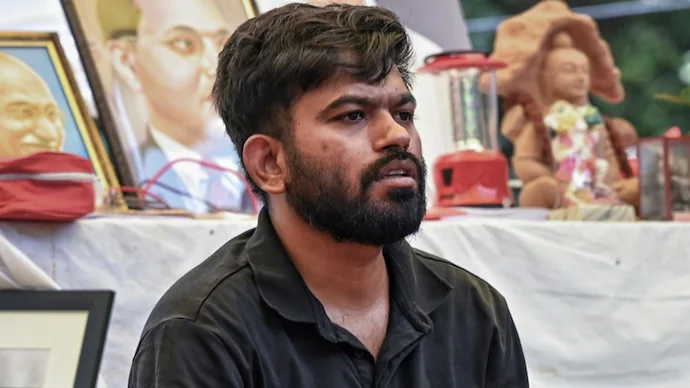
In Aurangabad, a city in Maharashtra that is also a hub of history and has its share of urban issues, Abhijeet spent his formative years in a middle-class home where political and public issues were brought up at the dinner table. What was to become a great source of his interest in how the government works and public administration, was the setting in which he grew up. Also, it was in that setting that he developed his interest in politics, communication and social change.
To increase his knowledge in the field of communication and media, Abhijeet went to the U.S. for higher studies. At Boston University, he got a degree in Public Relations, which included the study of strategic communication, branding, media relations, crisis management, and digital marketing. Also during his academic time, he developed a strong base of how public opinion is formed via stories, social media and modern communication methods. The international media experience he had was a great help in developing the skills that, in due time, played a key role in his career in political communication.
Before Abhijeet came to the fore, he was associated with the Aam Aadmi Party (AAP) as a social media volunteer. At that time, he gained experience in running digital campaigns, reaching out to online audiences and handling political narratives across social media. What he did with the AAP gave us insight into grassroots-level political communication and also proved that digital platforms are tools that even emerging political entities can use to great effect.
In 2026, Abhijeet Dipke had his career breakthrough with the founding of the CJP movement. In a Supreme Court hearing in which the issue of political defectors came up, Chief Justice Surya Kant is reported to have used the term “cockroach”, which at the time did not raise many eyebrows. But Abhijeet saw in that phrase the seed of an online movement. He acted fast to register the CJP’s Instagram accounts, put together a unique logo which included a smartphone with antennas and put out the first CJP manifesto within days.
The campaign saw great success in a very short time. In the source report, which we referred to, the CJP movement is said to have gone from zero to about 22 million followers in the space of a week, which also made it one of the fastest-growing social media campaigns in India. Also, as a result of this very quick rise, the movement received wide media coverage from large-scale Indian and international news organisations like the BBC and Reuters, which in turn increased its reach and influence.
Abhijit’s success is due to his grasp of digital communication and audience engagement. Instead of using the traditional political pitch, he put out there what was relevant, timely and easy to share via social media. His public relations background allowed him to see which issues were at the forefront of the public’s mind and turn them into large-scale online events. That which he did proved the great value of digital storytelling in the Indian political space.
Apart from campaign creation, what Abhijeet does very well is to put together branding, political messaging and online community building. What he does presents how social media has grown past entertainment to become a great forum for political action and public discourse. Through the use of visual identity, strategic messaging, and quick turnaround on content, he was able to get the attention of millions of users.
Although he has gained great public recognition for his work with the CJP movement, Abhijeet is still very much involved in political communication and digital media strategy. His education and practice put him forward as a key player in India’s transforming online political space. Also, it is a story of young professionals whose technology and communication skills that they bring to the table are used which they are changing public discourse.
Abhijeet Dipke’s case study is of how digital platforms are becoming an integral part of present-day politics. From his days in Aurangabad to studying public relations at Boston University and into his work with political campaigns in India, we see each step of his growth, which in turn developed his skill set that resulted in the founding of a large online following. He proved himself to be a force in the digital age through his trend identification, communication skills and audience mobilisation.
As we see traditional and social media play an ever greater role in election results, public perception and civic action, individuals like Abhijeet Dipke are at the vanguard of what may be called political communication for the digital age. His story is a case study in how a combination of great communication skills and digital innovation may take a single issue and turn it into a national discussion.
About the Author