
Indian literature is remarkably diverse, yet our reading lists often revolve around a familiar collection of names. We hear about Rabindranath Tagore, R. K. Narayan, Mulk Raj Anand, and Arundhati Roy, but there are countless other writers whose works deserve a place in our conversations.
Across India’s many languages, authors have written about caste, gender, identity, migration, family, politics, poverty, love, and the everyday experiences of ordinary people. Some of these works have received international recognition, while others remain relatively unfamiliar outside their linguistic or regional communities.
What I find particularly interesting is how much we miss when we limit Indian literature to a handful of English-language titles. A novel written in Malayalam, a short story from Marathi literature, or a collection of poetry in Assamese can reveal an entirely different perspective on the country.
Also Read: Carrot Beet Juice Recipe in 2026
In 2026–27, it is worth looking beyond the usual recommendations and exploring books that challenge our assumptions, introduce unfamiliar histories, and make us see India through different literary voices.
Here are 15 essential Indian literary works that deserve more attention.
1. Samskara by U. R. Ananthamurthy
Originally written in Kannada, Samskara is one of the most influential works of modern Indian literature. U. R. Ananthamurthy explores caste, religious orthodoxy, morality, and social hypocrisy through a story set in a traditional Brahmin community.
The novel begins with a crisis following the death of an unconventional Brahmin man. His death raises a difficult question: who should perform his last rites, especially when the community itself has rejected him?
What makes the novel powerful is its refusal to offer easy answers. It examines the conflict between personal conscience and inherited social rules.
Why read it: It encourages readers to question traditions and examine how social institutions influence individual freedom.
Original language: Kannada
2. A Fine Balance by Rohinton Mistry
Set during the Emergency in India, A Fine Balance is a deeply moving novel about four individuals whose lives become connected through circumstances beyond their control.
Rohinton Mistry explores poverty, political oppression, caste discrimination, friendship, and survival. The characters come from different backgrounds, but their experiences reveal the inequalities that shape Indian society.
The novel is not an easy read emotionally. It contains difficult depictions of suffering, but its humanity and attention to everyday relationships make it unforgettable.
Why read it: It offers a powerful literary perspective on inequality, resilience, and the consequences of political decisions.
Original language: English
3. The God of Small Things by Arundhati Roy
Although widely recognised, The God of Small Things deserves to be read beyond its reputation as an award-winning novel.
Set in Kerala, the story follows twins Estha and Rahel as they navigate childhood memories, family tensions, caste divisions, and forbidden relationships.
Arundhati Roy’s writing is distinctive for its poetic language, unconventional structure, and attention to seemingly insignificant details. The novel shows how personal lives can be shaped by powerful social rules.
Why read it: It combines family history with questions of caste, love, gender, and social hierarchy.
Original language: English
4. Tamas by Bhisham Sahni
Tamas is one of the important literary works dealing with the Partition of India.
Written by Bhisham Sahni in Hindi, the novel portrays the communal violence, fear, and political manipulation that affected ordinary people during the Partition period.
Rather than presenting history through major political figures, Sahni focuses on individuals and communities caught in circumstances they cannot control.
The result is a deeply human account of how religious divisions and political interests can destroy relationships and neighbourhoods.
Why read it: It offers a powerful reminder of the human consequences of communal violence and the importance of historical memory.
Original language: Hindi
5. Chemmeen by Thakazhi Sivasankara Pillai
Chemmeen is a celebrated Malayalam novel set among fishing communities along the Kerala coast.
Thakazhi Sivasankara Pillai explores love, community traditions, economic hardship, and the relationship between human beings and the sea.
The story follows Karuthamma, a young woman whose personal feelings come into conflict with the expectations of her community.
The sea is more than a setting in this novel. It becomes a powerful symbol connected to livelihood, faith, uncertainty, and the lives of fishing families.
Why read it: It introduces readers to coastal Kerala’s social world and the cultural traditions of fishing communities.
Original language: Malayalam
6. Gora by Rabindranath Tagore
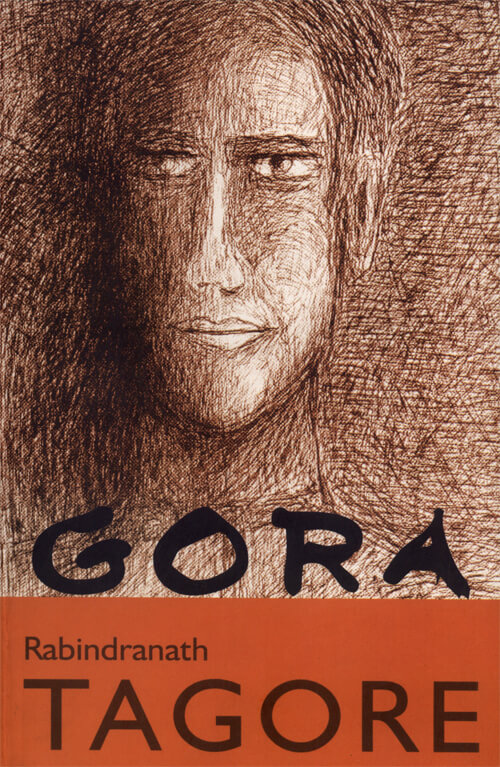
Rabindranath Tagore is often remembered for his poetry, songs, and short stories, but Gora is an important novel that deserves equal attention.
Set in colonial Bengal, the novel examines nationalism, religion, identity, social reform, and the meaning of belonging.
Its central character, Gora, holds strong beliefs about religion and national identity. As the story develops, his understanding of himself and the society around him undergoes significant challenges.
Why read it: It explores questions about Indian identity and nationalism that remain relevant to contemporary discussions.
Original language: Bengali
7. The Prisons We Broke by Baby Kamble
The Prisons We Broke is an important autobiographical work by Dalit writer Baby Kamble.
Originally written in Marathi, the book describes the experiences of Mahar women and families under caste-based oppression.
Kamble writes about poverty, discrimination, gender inequality, and the social realities faced by Dalit communities. Her account also highlights the role of education and social reform in challenging oppressive structures.
The book is particularly significant because it brings women’s experiences into conversations about caste and social justice.
Why read it: It offers an essential perspective on caste, gender, dignity, and resistance.
Original language: Marathi
8. Train to Pakistan by Khushwant Singh
Train to Pakistan is another important novel about the Partition of India.
Set in a fictional village near the India-Pakistan border, the story examines how political decisions and communal tensions transform an otherwise ordinary community.
Khushwant Singh focuses on relationships between people from different religious backgrounds and shows how violence disrupts their shared lives.
The novel is accessible in its storytelling but deeply disturbing in its portrayal of the Partition’s human cost.
Why read it: It helps readers understand Partition through the lives of ordinary people rather than political timelines alone.
Original language: English
9. Ghachar Ghochar by Vivek Shanbhag
Originally written in Kannada, Ghachar Ghochar is a short but layered novel about a family whose circumstances change after achieving financial success.
The story explores money, power, family relationships, dependence, and moral compromise.
Vivek Shanbhag’s writing is restrained, but the emotional tension gradually builds. The novel examines how financial security can change the balance of power within a household.
Why read it: It offers a sharp look at family dynamics, ambition, and the complicated relationship between money and personal values.
Original language: Kannada
10. Paraja by Gopinath Mohanty
Paraja is a major work of Odia literature. Gopinath Mohanty portrays the lives of tribal communities in Odisha and the exploitation they face through debt, social inequality, and oppressive systems.
The novel follows a family whose struggle for dignity and independence becomes increasingly difficult as they encounter powerful external forces.
It offers a literary perspective on tribal life that is often missing from mainstream representations of Indian society.
Why read it: It brings attention to marginalised communities, land, exploitation, and the struggle for dignity.
Original language: Odia
11. Pinjar by Amrita Pritam
Pinjar is a significant Punjabi novel about Partition, gender, identity, and displacement.
The story follows Puro, a young woman whose life changes dramatically after an act of violence. Her experiences reveal the particular vulnerabilities women faced during the Partition.
Amrita Pritam gives attention to the emotional and social consequences of violence, especially the way women’s identities and choices were controlled by family and community expectations.
Why read it: It explores Partition through women’s experiences and raises important questions about identity, belonging, and survival.
Original language: Punjabi
12. Aag Ka Darya by Qurratulain Hyder
Aag Ka Darya, translated into English as River of Fire, is an ambitious Urdu novel that moves across different historical periods in the Indian subcontinent.
Qurratulain Hyder explores cultural memory, identity, migration, and the changing relationship between people and their histories.
The novel moves across centuries, connecting characters and experiences from different periods. It offers a broad literary understanding of the region’s cultural and political transformations.
Why read it: It challenges narrow ideas of identity and presents the Indian subcontinent as a space shaped by centuries of cultural exchange.
Original language: Urdu
13. Irawati Karve’s Yuganta
Yuganta: The End of an Epoch is a remarkable work that examines the characters and social world of the Mahabharata through historical and anthropological interpretation.
Irawati Karve moves beyond conventional devotional readings and considers the epic’s characters as complex human beings shaped by their circumstances, relationships, and social structures.
Her essays examine figures such as Krishna, Bhishma, Draupadi, and other important characters through a critical and analytical lens.
Why read it: It encourages readers to revisit a familiar epic with fresh questions and a more critical understanding.
Original language: Marathi
14. The Moth-Eaten Howdah of the Tusker by Indira Goswami
Written by Assamese author Indira Goswami, this novel is an important work of modern Indian literature.
Set in Assam, the story explores the lives of widows, religious traditions, social restrictions, and the position of women within conservative institutions.
Goswami presents characters whose lives are shaped by expectations they have little power to challenge.
The novel is especially valuable for readers interested in understanding Assamese society and the complex relationship between tradition and individual freedom.
Why read it: It examines gender, religion, social expectations, and women’s struggles through a regional literary perspective.
Original language: Assamese
15. The Blue Umbrella by Ruskin Bond
The Blue Umbrella is a simple yet memorable novella by Ruskin Bond.
Set in the hills of Himachal Pradesh, it follows a young girl named Binya and her beautiful blue umbrella, which becomes an object of admiration and jealousy in her village.
Unlike many of the heavier works on this list, the story is gentle and accessible. Yet it explores important themes such as desire, envy, generosity, and forgiveness.
Why read it: It reminds readers that meaningful literature does not always need complicated plots or lengthy narratives.
Original language: English
Why Should We Read More Regional Indian Literature?
Indian literature cannot be understood through English-language writing alone. Every language carries its own literary traditions, social histories, humour, expressions, and ways of describing everyday life.
Reading regional literature introduces us to perspectives that may otherwise remain outside our reading habits.
Here are a few reasons to explore more Indian-language writing:
- A wider understanding of India: Regional writing introduces readers to different communities, landscapes, and cultural experiences.
- Marginalised perspectives: Many writers document caste discrimination, gender inequality, tribal experiences, and social exclusion.
- Language and storytelling: Translated works often preserve distinctive storytelling traditions and literary styles.
- Historical understanding: Novels and autobiographies can reveal how major historical events affected ordinary people.
- Different literary voices: Exploring regional authors moves readers beyond a narrow collection of familiar names.
A Suggested Reading Order for Beginners
If you are not accustomed to reading Indian literature, starting with a long or complex novel may feel overwhelming. A gradual reading list can make the experience more enjoyable.
| Reading order | Book | Why start here? |
|---|---|---|
| 1 | The Blue Umbrella | Short, accessible storytelling |
| 2 | Ghachar Ghochar | Compact and thought-provoking |
| 3 | Train to Pakistan | Historical fiction with an engaging narrative |
| 4 | Samskara | Introduces complex social questions |
| 5 | The Prisons We Broke | Important autobiographical perspective |
| 6 | A Fine Balance | Detailed and emotionally demanding |
| 7 | Aag Ka Darya | Ambitious historical and cultural exploration |
This is a suggested sequence, not a ranking of literary importance.
Frequently Asked Questions
1. What are some essential Indian books everyone should read?
Books such as Samskara, A Fine Balance, Tamas, The Prisons We Broke, Ghachar Ghochar, and Train to Pakistan offer important perspectives on Indian society, history, and identity.
2. Which Indian regional literature should beginners explore?
Beginners can explore Kannada, Malayalam, Marathi, Bengali, Assamese, Odia, Punjabi, and Urdu literature through translated works.
3. What is the best Indian novel about Partition?
Train to Pakistan by Khushwant Singh, Tamas by Bhisham Sahni, and Pinjar by Amrita Pritam are significant literary works about Partition.
4. Which Indian books explore caste discrimination?
Samskara by U. R. Ananthamurthy and The Prisons We Broke by Baby Kamble are important works that examine caste and social inequality from different perspectives.
5. Are Indian regional books available in English translation?
Yes. Many important works originally written in Indian languages have been translated into English and other languages. Availability varies by publisher and edition.
6. Which Indian books are suitable for beginners?
The Blue Umbrella, Ghachar Ghochar, and Train to Pakistan can be accessible starting points, although readers should consider their preferred themes and reading experience.
Also Read: Nariyal Ladoo Recipe in 2026
Conclusion
Indian literature is far larger than the collection of books we repeatedly encounter in school syllabuses and popular recommendation lists. From the social questions raised in Samskara to the historical imagination of Aag Ka Darya, these works reveal different ways of understanding the country.
What stands out to me is the importance of reading beyond familiar names and languages. A country’s literary identity is shaped not only by its most celebrated authors but also by the voices that document everyday lives, regional histories, and experiences that are often overlooked.
In 2026–27, make room on your reading list for a book originally written in a language you do not speak. Read it in translation, explore its historical context, and allow it to introduce you to a different India.
Because sometimes the most meaningful books are not necessarily the ones everyone recommends. They are the ones that make us reconsider what we thought we already knew.
About the Author