Introduction
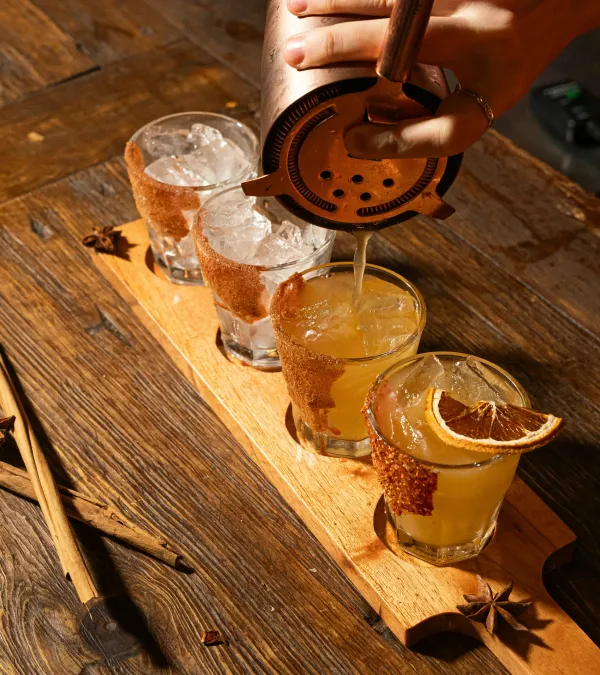
India’s bar culture is changing. Alongside the growing interest in craft cocktails, premium whiskies, and international spirits, another category is gradually attracting attention: agave spirits.
Once closely associated with tequila shots and party culture, agave-based drinks are finding a different identity in modern bars. Bartenders are exploring their earthy flavours, smoky aromas, and versatility in cocktails. Consumers, meanwhile, are becoming more curious about the ingredients, production methods, and regional traditions behind the spirits they encounter.
Tequila remains the most familiar name in this category, but mezcal and other agave-based spirits are expanding the conversation. Their growing presence reflects a wider shift towards ingredient-led cocktails and more informed drinking experiences.
Also Read: Carrot Beet Juice Recipe in 2026
What makes this development interesting is that agave spirits are not simply another international beverage trend entering India. They bring a distinct cultural and agricultural history from Mexico, along with production traditions that offer bartenders new creative possibilities.
In 2026–27, agave spirits are becoming an increasingly visible part of conversations about India’s evolving premium bar scene.
What Are Agave Spirits?
Agave spirits are alcoholic beverages produced from the agave plant, a succulent native to the Americas, particularly Mexico.
Although agave plants may resemble cacti, they belong to a different botanical family. Their fleshy leaves and central core, known as the piña, are important parts of traditional spirit production.
The process generally involves harvesting mature agave plants, cooking or processing their cores, extracting fermentable sugars, fermenting the resulting liquid, and distilling it where the spirit category requires distillation.
Different agave varieties, growing conditions, cooking methods, fermentation techniques, and ageing processes create distinct flavour profiles.
Common characteristics associated with agave spirits include:
- Earthy and herbal notes
- Citrus and vegetal aromas
- Peppery characteristics
- Sweetness reminiscent of cooked agave
- Smoky notes in certain mezcal styles
- Mineral and floral characteristics
The category is diverse, and not every agave spirit tastes the same.
Tequila: The Most Recognised Agave Spirit
Tequila is generally the first spirit people associate with agave. It originates from designated regions of Mexico and is made from blue Weber agave.
Its flavour profile can vary depending on production methods and ageing.
Some expressions are light and fresh, while others develop richer characteristics through barrel maturation.
Different Types of Tequila
Blanco or Silver Tequila
Blanco tequila is generally bottled without extended ageing in oak. It often has fresh agave, citrus, herbal, and peppery characteristics.
Reposado Tequila
Reposado tequila is aged in oak containers for a period specified by Mexican regulations. The ageing process can introduce notes associated with vanilla, wood, and gentle spice.
Añejo Tequila
Añejo tequila undergoes longer ageing in oak containers than reposado. It may develop deeper flavours associated with caramel, dried fruit, oak, and warm spices.
Extra Añejo Tequila
Extra Añejo is an aged category with a minimum ageing period of three years in oak containers. Its flavour profile can be considerably more developed.
These categories give bartenders different ingredients to work with, depending on the character of the cocktail they are creating.
Mezcal: Bringing Smoky and Earthy Flavours to the Bar
Mezcal is another important category of Mexican agave spirits. Unlike tequila, which must be produced from blue Weber agave, mezcal can be made from several permitted agave varieties.
Its production traditions vary across regions and producers.
Some traditional methods involve cooking agave hearts in underground pits, which can contribute distinctive smoky characteristics. However, not every mezcal is heavily smoky. Its flavour depends on the agave variety, cooking technique, fermentation, distillation, and production location.
Mezcal can display characteristics such as:
- Smoke and roasted agave
- Earthy and mineral notes
- Herbal aromas
- Citrus and tropical fruit
- Pepper and spice
Its complexity has attracted attention among bartenders interested in building cocktails with more layered flavour profiles.
Why Agave Spirits Are Attracting Attention in India
India’s premium hospitality industry has been exploring new ingredients, international spirits, and more specialised cocktail experiences.
Agave spirits fit into this changing environment for several reasons.
1. Growing Interest in Craft Cocktails
Modern cocktail menus increasingly focus on flavour combinations rather than simply naming a spirit and mixer.
Bartenders experiment with citrus, herbs, spices, fruit, bitters, and regional ingredients. Tequila and mezcal provide distinctive flavour foundations for these combinations.
Agave spirits can work in both familiar cocktails and more experimental creations.
2. Curiosity About International Spirits
Indian consumers are becoming familiar with a wider variety of international beverage categories.
Tequila and mezcal offer an opportunity to explore Mexican drinking traditions and understand how geography, agriculture, and production methods influence a spirit.
This curiosity is particularly visible in premium hospitality environments where menus often introduce customers to unfamiliar ingredients.
3. The Influence of Premium Bars
Specialist cocktail bars and luxury hotel establishments play an important role in introducing emerging spirit categories.
Their bartenders can explain the differences between tequila and mezcal, demonstrate different serving styles, and introduce customers to cocktails that highlight agave flavours.
This educational aspect can make an unfamiliar spirit category easier to understand.
4. Interest in Ingredient Transparency
There is increasing attention towards what goes into a beverage and how it is produced.
For agave spirits, this includes questions about the plant variety, geographical origin, fermentation, distillation, additives, and ageing.
The interest goes beyond branding and creates opportunities for conversations about traditional production methods.
5. Changing Cocktail Preferences
The modern cocktail scene includes a broad range of flavour preferences.
Some people enjoy light, citrus-forward drinks, while others are interested in smoky, herbal, or more complex combinations.
Agave spirits offer bartenders several ways to work with these preferences.
How Indian Bartenders Are Exploring Agave Spirits
Bartenders are important contributors to the growth of any unfamiliar spirit category. Their understanding of ingredients and preparation techniques helps translate international beverage traditions into locally relevant experiences.
Agave spirits offer several creative possibilities.
Tequila-Based Cocktails
Tequila is commonly associated with cocktails such as the Margarita and Paloma.
The Margarita combines tequila with citrus and orange liqueur, while the Paloma traditionally brings together tequila and grapefruit flavours.
Indian bartenders can explore variations using ingredients such as kokum, fresh lime, guava, pineapple, chilli, and regional herbs.
These ingredients can create flavour combinations that connect Mexican spirits with Indian culinary influences.
Mezcal-Based Cocktails
Mezcal’s earthy and sometimes smoky characteristics can add complexity to cocktails.
Bartenders may combine it with citrus, tropical fruit, herbs, or other ingredients to create layered flavour profiles.
Its distinctive character can also be used in cocktails where a smoky note is part of the overall concept.
Indian Ingredients and Agave Spirits
One interesting direction is the use of Indian ingredients alongside Mexican agave spirits.
Potential flavour combinations include:
- Kokum and citrus
- Guava and chilli
- Pineapple and fresh herbs
- Tamarind and lime
- Aam panna-inspired flavours
- Ginger and aromatic spices
These combinations demonstrate how international spirits can become part of a locally distinctive cocktail culture.
Tequila and Mezcal: Understanding the Difference
Although both are agave spirits, tequila and mezcal are not interchangeable categories.
| Feature | Tequila | Mezcal |
|---|---|---|
| Main agave requirement | Blue Weber agave | Several permitted agave varieties |
| Production geography | Designated Mexican regions | Designated Mexican regions |
| Common flavour profile | Cooked agave, citrus, herbs, pepper | Varies; may include earthy and smoky notes |
| Production traditions | Several modern and traditional methods | Diverse regional production methods |
| Age classifications | Blanco, reposado, añejo, extra añejo | Includes categories such as joven, reposado, and añejo |
The most important distinction is that tequila is a specific category within the wider world of agave spirits, while mezcal has its own production rules and traditions.
The Importance of Authenticity and Mexican Heritage
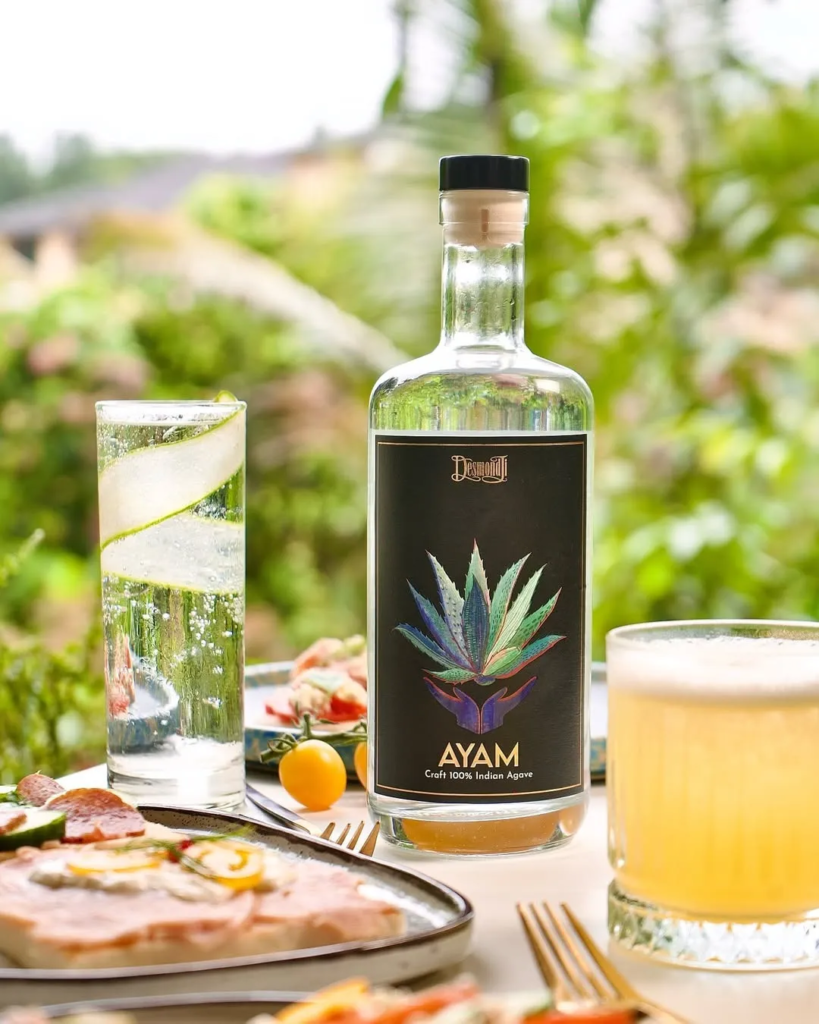
The growing international visibility of agave spirits also creates an opportunity to understand the cultural traditions behind them.
Tequila and mezcal are not simply flavour categories. They are connected to particular landscapes, agricultural practices, regional communities, and generations of production knowledge.
Agave cultivation can take several years before a plant reaches maturity. Different species and varieties have different growing cycles, which makes the agricultural side of production particularly important.
Traditional producers also use techniques that reflect local resources and inherited knowledge.
As interest in agave spirits expands in India, understanding this heritage is important. A premium label or expensive bottle does not automatically represent traditional production or superior quality.
Authenticity involves looking at origin, production practices, and the people responsible for making the spirit.
Challenges Facing Agave Spirits in India
Despite growing interest, the category faces several challenges in the Indian market.
1. Import Duties and Pricing
Imported spirits are affected by customs duties, state taxes, distribution costs, and other market-specific expenses.
These factors can make international agave spirits considerably more expensive for Indian consumers.
2. Limited Consumer Awareness
Tequila is relatively familiar, but mezcal and other agave spirits remain less widely understood.
Many consumers may not know the differences between production methods, agave varieties, and flavour profiles.
3. State-Level Alcohol Regulations
Alcohol distribution and retail sales in India are regulated differently across states.
Licensing requirements, taxation, labelling rules, and distribution arrangements can affect the availability of imported spirits.
4. Limited Product Availability
Not every agave spirit is available in every Indian city.
Specialist hospitality establishments may have access to a broader selection than ordinary retail outlets, while importers and distributors determine which products enter individual markets.
5. Maintaining Production Sustainability
Agave plants require time to mature, and rising global demand can place pressure on agricultural supply chains.
Sustainable cultivation, responsible harvesting, and fair treatment of local producers are important considerations as the category grows internationally.
What Could Shape India’s Agave Spirit Culture in 2026–27?
The future of agave spirits in India will depend on several developments.
Greater cocktail experimentation: Bartenders may continue exploring combinations that bring together agave spirits and Indian ingredients.
More consumer education: Understanding tequila, mezcal, and different agave varieties could become a more visible part of premium hospitality experiences.
Expansion of premium hospitality: Hotels, specialist cocktail bars, and restaurants may introduce more specialised spirit selections.
Interest in production stories: Consumers may increasingly ask about the origin of the agave, production methods, and the people behind individual labels.
Responsible and sustainable sourcing: Agricultural sustainability and authentic production practices may become more important as international demand develops.
These are potential directions rather than guaranteed market outcomes. The pace of growth will depend on pricing, availability, regulation, and consumer interest.
Also Read: Nariyal Ladoo Recipe in 2026
Frequently Asked Questions
1. What are agave spirits?
Agave spirits are alcoholic beverages produced using the agave plant. Tequila and mezcal are two of the best-known categories.
2. Is tequila an agave spirit?
Yes. Tequila is made from blue Weber agave and is produced in designated regions of Mexico under specific regulations.
3. What is the difference between tequila and mezcal?
Tequila must be made from blue Weber agave, while mezcal can use several permitted agave varieties. Their production methods and flavour profiles can also differ.
4. Why are agave spirits becoming popular in cocktail culture?
Their distinctive flavours, production traditions, and versatility make them interesting ingredients for modern cocktail menus.
5. Can Indian ingredients be combined with agave spirits?
Yes. Ingredients such as kokum, guava, tamarind, pineapple, chilli, and lime can be incorporated into cocktail concepts featuring agave spirits.
6. Are agave spirits produced in India?
India has a growing craft beverage industry, but tequila and mezcal are protected Mexican spirit categories with defined geographical and production requirements. An Indian-made agave-inspired beverage should not automatically be described as tequila or mezcal.
7. Are tequila and mezcal the same as regular spirits?
They are distilled alcoholic beverages, but their raw material, production traditions, geographical origins, and regulatory definitions distinguish them from other spirit categories.
Conclusion
Agave spirits are adding another dimension to India’s evolving bar culture. Tequila and mezcal bring distinctive flavours, production traditions, and cultural histories that offer bartenders new possibilities for experimentation.
Their growing visibility also reflects changing conversations around premium hospitality, craft cocktails, and ingredient-led experiences.
What makes this development particularly interesting is the potential connection between Mexican agave traditions and India’s diverse culinary ingredients. The combination of kokum, tamarind, guava, spices, and citrus with agave-inspired cocktail concepts demonstrates how global influences can become part of a distinctly Indian bar experience.
In 2026–27, agave spirits represent an emerging area of interest within India’s premium beverage culture. Their long-term place in the market will depend on accessibility, consumer understanding, authentic sourcing, and responsible hospitality practices.
About the Author