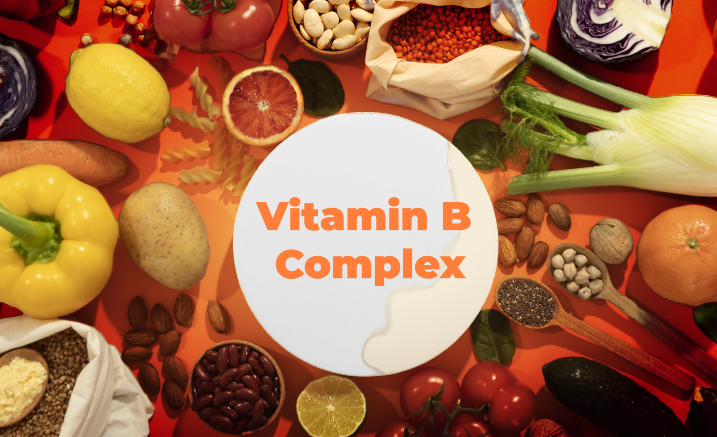

In our fast-paced lives, we accept fatigue as a norm. We attribute it to work, lack of sleep, or stress. But at times the reason may be as simple as a deficient diet that does not include enough of the key nutrients in Vitamin B. Vitamin B Complex is a group of 8 water soluble vitamins which play a key role in the proper functioning of our body and mind.
In terms of transforming food into energy and supporting the brain and nervous system, these vitamins play a role in many of our day-to-day functions. I have seen how easy it is to neglect nutrition when life gets busy, and routines go out the window, which is why I think about Vitamin B even more today.
Types of Vitamin B
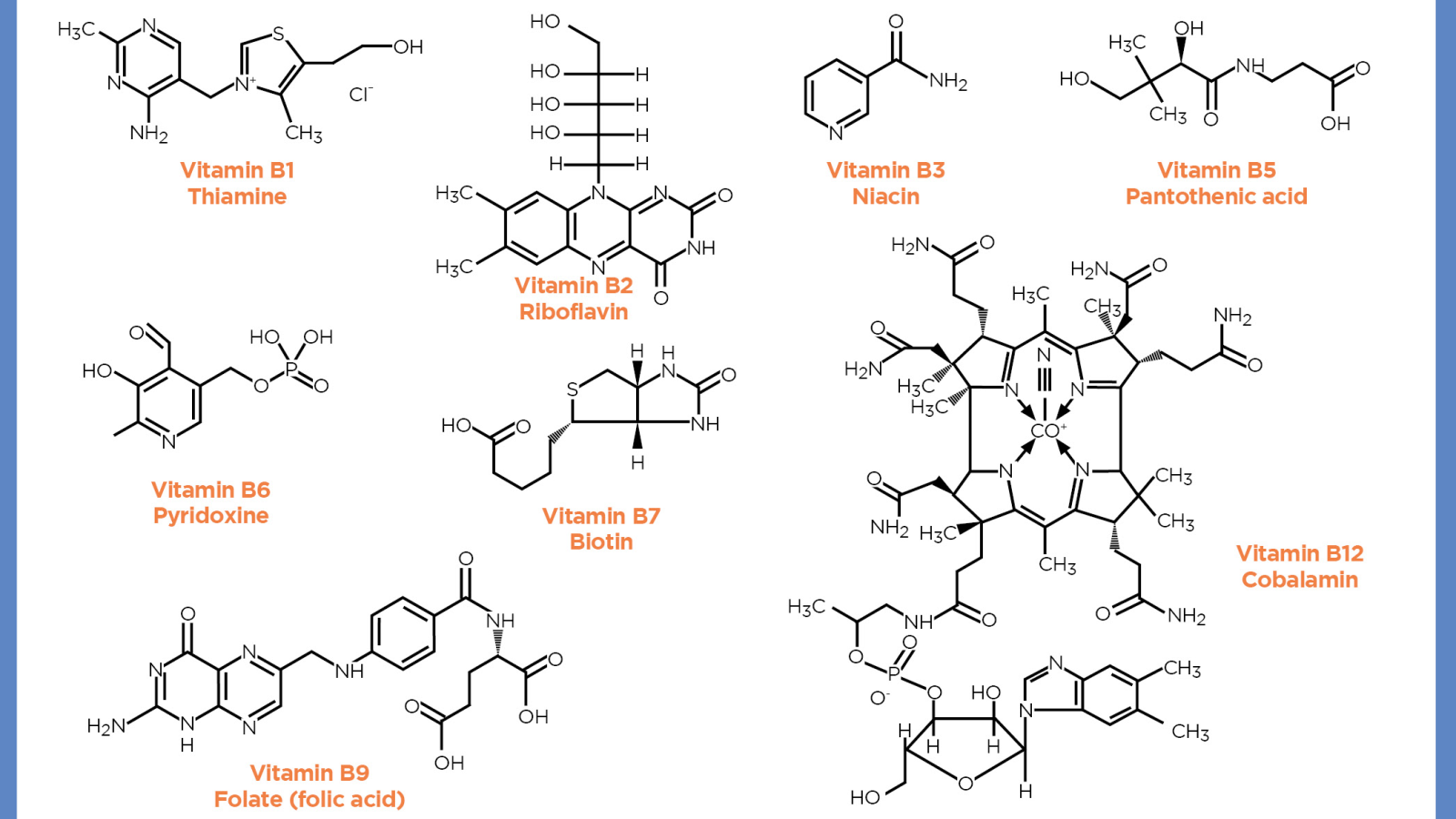
Here is a paraphrase of the given text: B1 (Thiamine), B2 (Riboflavin), B3 (Niacin), B5 (Pantothenic Acid), B6 (Pyridoxine), B7 (Biotin), B9 (Folate), and B12 (Cobalamin). Note: the content is identical, just restructured very slightly.
Each performs a separate function. For instance, B1 helps the body use carbs for energy, while B6 supports brain function and the production of key neurotransmitters. Biotin is to thank for healthy hair and skin, at the same time folate is very important during pregnancy. Also, B12 is that which supports red blood cell production and the health of the nerves.
Main Benefits of Vitamin B Complex
One of the primary benefits of Vitamin B Complex is that it plays a role in energy production. Also, many B vitamins, which are components of this complex, help the body to break down carbs, proteins, and fats and turn them into usable energy.
These vitamins also play a key role in the health of the nervous system. B6 and B12 vitamins support nerve cells and brain function. Also, they play a role in better concentration and normal cognitive functioning.
Vitamin B Complex also supports the production of healthy red blood cells, which in turn transport oxygen around the body. Vitamins B9 and B12 play the key role in that process.
Some B complex vitamins play a role in maintaining healthy skin, hair and nails. But do not use that as a quick fix for beauty; a balanced diet is the base of overall health.
Foods That Provide Vitamin B
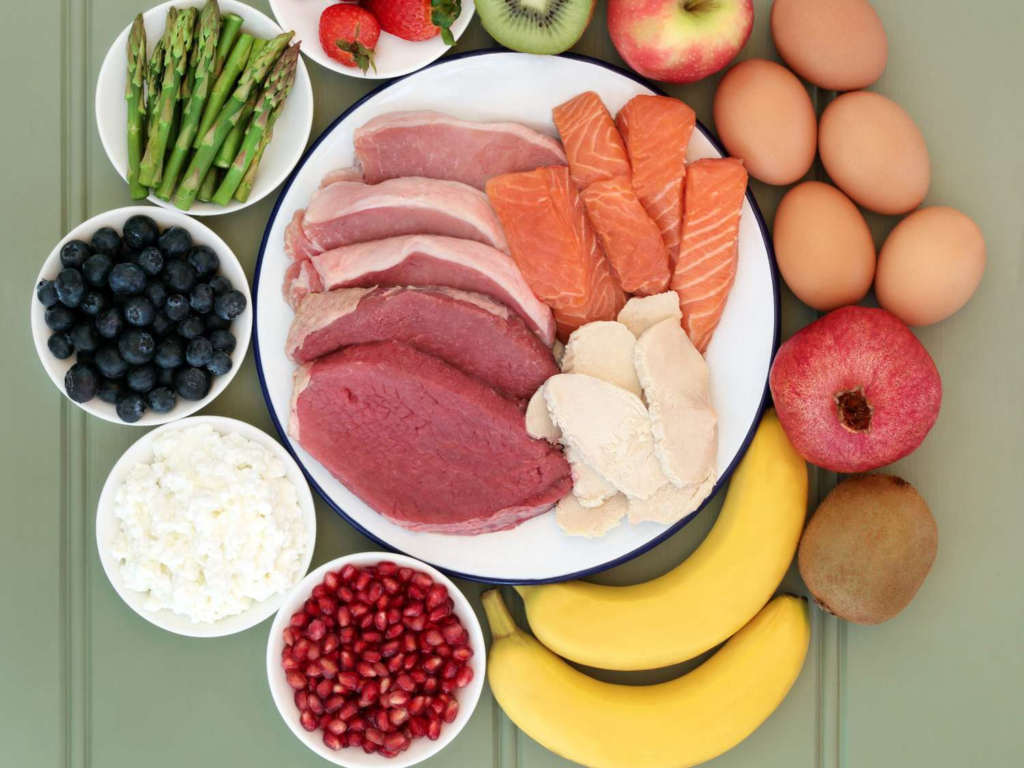
Surely many of the foods we eat on a daily basis are good sources of B vitamins. Lentils, chickpeas, beans, whole grains, dairy products, eggs, fish, poultry, nuts, seeds, leafy greens, and fruits are all elements to include in your diet for adequate B vitamin intake.
In India, we see that simple meals like dal with brown rice, chapati with veggies, eggs, and nuts are a source of many nutrients. This also proves that you do not always have to go for the expensive and complicated food options to eat healthily.
Recognising Vitamin B Deficiency
Vitamin B deficiency is a result of poor diet, certain digestive issues which affect absorption, use of some drugs, or heavy alcohol use. Also of note is that vegetarians and vegans may pay special attention to Vitamin B12, which is primarily found in animal products.
Common symptoms present as persistent fatigue, weakness, numbness or tingling, pale skin, mouth ulcers, poor concentration, and mood changes. These symptoms have many causes, so if they persist you should speak to a health care professional.
The Bottom Line
Vitamin B Complex doesn’t get the same attention as protein or other very popular nutrients out there, but its importance is not to be ignored. It supports energy production, nervous system health, blood production, and plays many other key roles.
In 2026, which will see the introduction of many convenient foods and very busy schedules that in turn will influence health choices, it is of even greater importance to pay attention to what we put in our bodies. A diverse diet is the base; at the same time, supplements can play a role when there is a known deficit or increased need. Also, pay attention to what your body is telling you and seek out professional opinion when symptoms persist, which in turn will help stop that small nutritional issue from growing into a larger-scale health concern.
About the Author