Cashless Health Insurance Claims in 2026: What You Really Need to Know
Nobody plans a hospital visit. It just happens — a fall, a fever that won’t break, a chest pain that scares everyone in the room. And right when your mind should be on getting better, you’re stuck worrying about money. That’s the problem cashless health insurance is meant to solve, and honestly, most people still don’t fully understand how it works.
A myth that needs to die
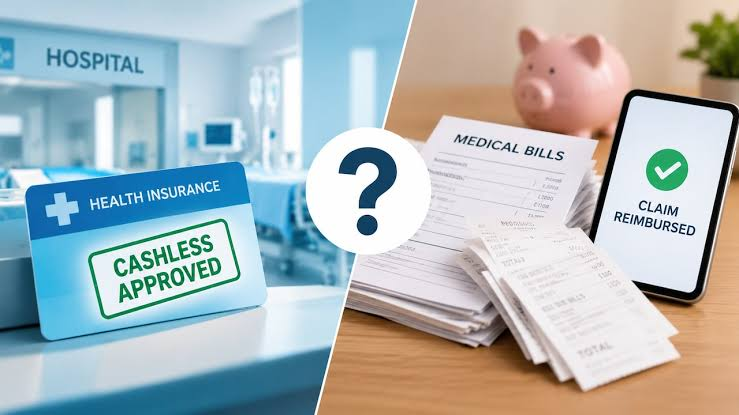
So many people believe that if the hospital isn’t on their insurer’s “network” list, their claim is basically doomed. It isn’t. Your insurance still pays out either way. The only thing that changes is timing — do you pay first and get money back later, or does the insurer settle it directly with the hospital while you’re still lying in the bed?
Cashless, explained simply
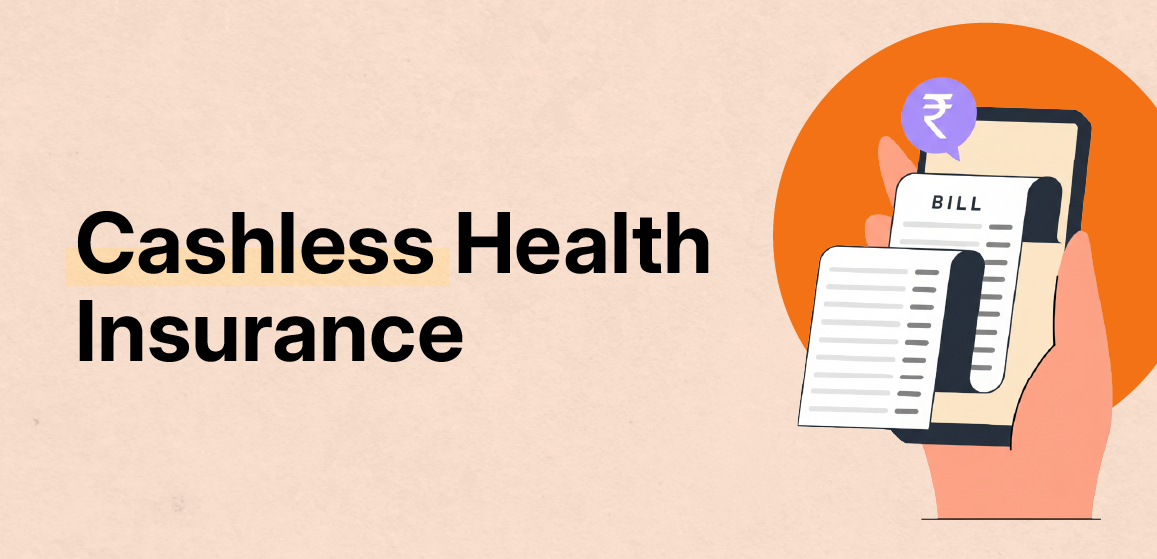
Pick a hospital that’s part of your insurer’s network, hand over your policy card, and that’s more or less it on your end. The hospital sends a request to your insurance company asking for approval before treatment starts. For planned surgeries this usually comes back within an hour; emergencies move even faster. When you’re discharged, the hospital and insurer sort out the bill between themselves. You might pay for a few odds and ends the policy doesn’t cover — things like certain consumables — but the big number never touches your bank account.
Reimbursement, the other route
Here, you’re footing the bill first. Every rupee. Then comes the paperwork chase: discharge summary, prescriptions, test reports, original bills — all of it goes to the insurer. If everything checks out, you get your money back, typically somewhere between one and two weeks later.
Which should you pick?
Honestly, it’s not about one being “better.” It comes down to the moment you’re in.
Got an emergency? Go cashless — you don’t want to be arguing over receipts while someone you love is in pain. Planned surgery at a hospital you trust that just happens to be outside the network? Reimbursement lets you go anyway. Tight on funds right now? Cashless takes that weight off. Care more about picking your own doctor and hospital than about speed? Reimbursement gives you that room to choose.
Do this before you ever need to
Don’t wait until you’re standing at admissions to figure this out. Look up your network hospitals now, while you’re calm and have time. Keep your medical paperwork — old bills, prescriptions, ID copies — somewhere you can grab quickly. And actually read the fine print on waiting periods and exclusions, because that’s usually where the nasty surprises hide.
Insurers are catching up too
Companies like ManipalCigna have been pushing harder on this front lately — bigger hospital networks, support lines that actually answer at 2 a.m., and apps where you can track a claim instead of calling someone and hoping for an update. Plans like Sarvah Uttam are built around making both claim types less of a headache.
At the end of the day, cashless and reimbursement aren’t competing options. They’re just different tools for different situations — and knowing which one to reach for before disaster strikes makes all the difference.
About the Author