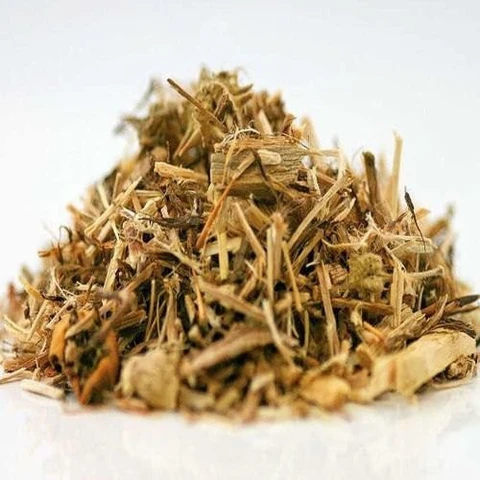

Dashmool, also known as Dashamoola, is a classical Ayurvedic herbal formulation made from a combination of roots from ten plants. The name literally refers to “ten roots.” It has traditionally been used in Ayurveda in preparations such as decoctions, powders and oils.
Dashmool is traditionally associated with supporting the body during inflammatory conditions, pain and certain respiratory and digestive complaints. However, modern scientific evidence for many of its traditional uses remains limited, and the effects can vary depending on the exact formulation and preparation. Recent reviews of Ayurveda also highlight the need for better-standardised clinical studies and stronger safety monitoring.
Also Read: Know About Hair Growth Diet In 2026
1. May Have Anti-Inflammatory Properties
One of the most commonly discussed properties of Dashmool is its potential anti-inflammatory activity. Experimental research has found anti-inflammatory effects from Dashamoola preparations, including reductions in inflammation in animal models.
However, laboratory and animal findings cannot automatically be considered proof that Dashmool will treat inflammation or inflammatory diseases in humans.
2. May Support Pain Management
Dashmool has traditionally been used for pain and musculoskeletal complaints. Experimental studies have reported analgesic effects, suggesting that some of its plant constituents may influence pathways involved in pain and inflammation.
Human evidence remains limited, so Dashmool should not be considered a replacement for clinically established pain treatments.
3. Traditionally Used for Joint and Musculoskeletal Complaints
Ayurvedic preparations containing Dashmool are traditionally used for conditions associated with joint discomfort, swelling and stiffness. Some research has explored its potential anti-inflammatory and analgesic effects, but larger, well-designed human clinical trials are required before firm conclusions can be made.
4. May Have Antioxidant Activity
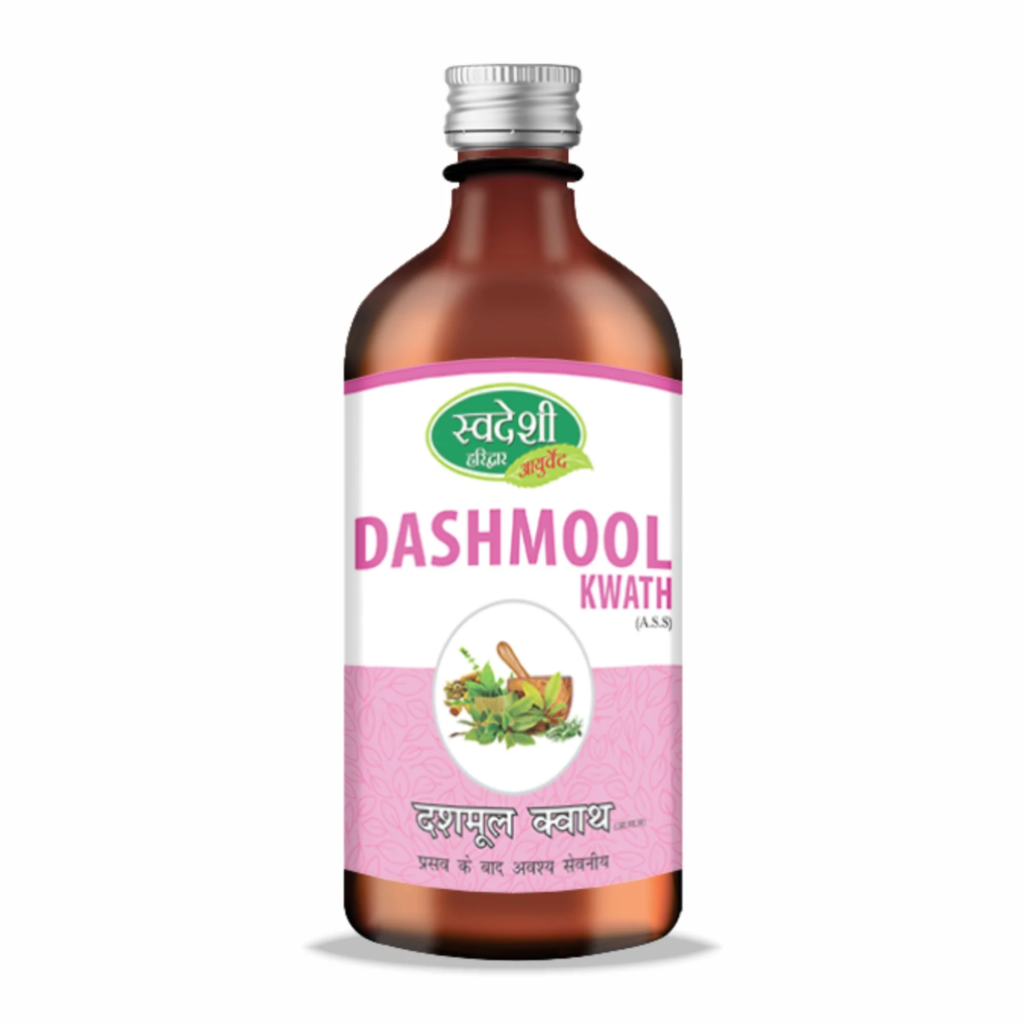
The plants used in Dashmool contain various naturally occurring compounds with antioxidant activity. Antioxidants can help protect cells from oxidative damage in laboratory settings.
However, antioxidant activity observed in laboratory studies does not necessarily translate into a specific disease-prevention benefit in humans.
5. Traditional Use in Respiratory and Digestive Health
Dashmool has traditionally been included in Ayurvedic preparations used for certain respiratory, digestive and other inflammatory complaints. These uses are based largely on traditional Ayurvedic practice rather than strong modern clinical evidence.
Therefore, it is better viewed as a complementary herbal preparation rather than a proven treatment for a particular disease.
Possible Side Effects and Safety
Dashmool is a multi-herb preparation, and its safety can depend on the ingredients, preparation method, dosage and quality of the product. Possible adverse effects may include digestive discomfort or sensitivity to one or more of its ingredients.
Quality is also important. Modern reviews of Ayurvedic medicines have identified concerns including contamination, adulteration, inconsistent doses and potential herb-drug interactions.
People who are pregnant or breastfeeding, have chronic medical conditions, are preparing for surgery, or take regular medicines should consult a qualified healthcare professional before using Dashmool.
What Does Research Say in 2026?
Research into Dashamoola has identified potentially useful anti-inflammatory and analgesic properties, but much of the evidence comes from laboratory or animal studies. A broader 2026 review of Ayurveda noted that evidence quality remains inconsistent because studies often involve small sample sizes, different formulations and limited long-term safety information.
Consequently, more rigorous human clinical trials are needed to establish the effectiveness and appropriate dosing of Dashmool for specific health conditions.
Also Read: Faiz Baloch Bio Age, Height, Career, Family, In 2026
Conclusion
Dashmool is an important traditional Ayurvedic formulation containing ten roots and is commonly associated with inflammation, pain and musculoskeletal health. Preliminary research suggests potentially anti-inflammatory and analgesic properties, but evidence in humans is still insufficient to confirm many of its traditional health claims.
Anyone considering Dashmool for a medical condition should discuss its use with a qualified healthcare professional rather than replacing prescribed treatment with an herbal preparation.
About the Author