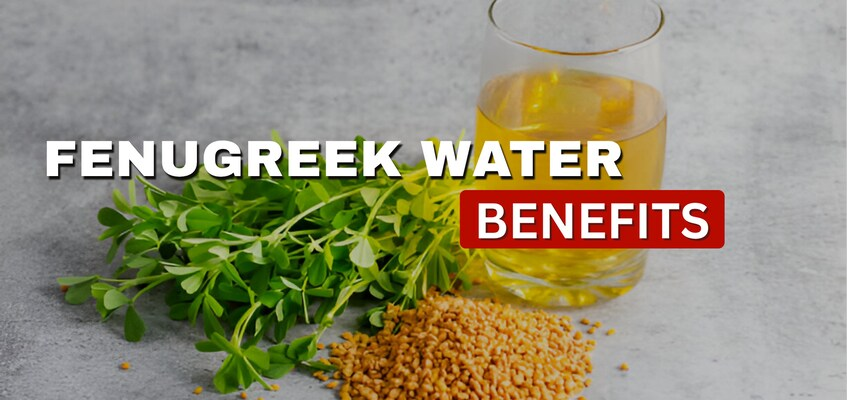

Fenugreek, or methi as it is locally referred to, is a popular ingredient in many households. Its seeds are commonly soaked in water and consumed as a natural drink; they are rich in plant compounds and fibres and can be added to a healthy lifestyle routine when consumed correctly. On the other hand, fenugreek doesn’t substitute standard medical treatments.
Fenugreek Water Explained
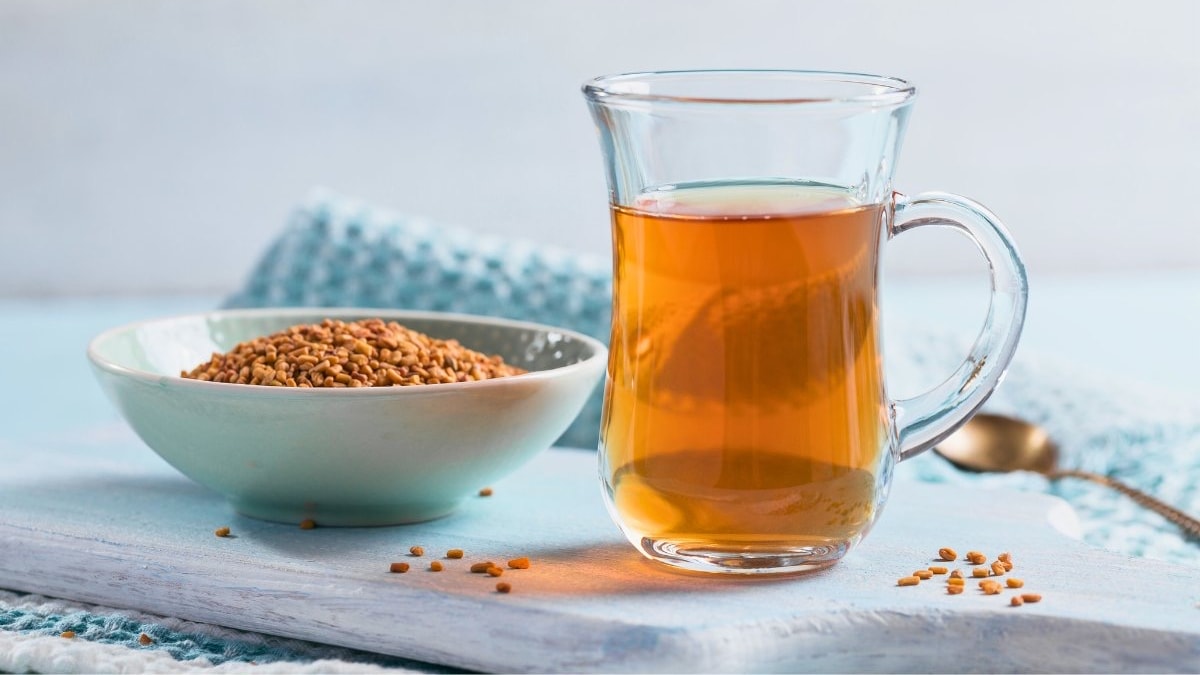
Fenugreek water is prepared using fenugreek seeds that stay immersed in water for up to 8 hours. While the seeds stay soaked, the pods swell and soluble nutrients are released into the resulting mix, which is somewhat bitter.
Fenugreek has been widely used in traditional medicine in India for centuries to improve digestion and metabolism. The effectiveness of fenugreek water depends on the application of the remedy, the state of health of the person taking it, and whether fenugreek seeds were eaten or not.
The Benefits of Fenugreek Water
1. Promotes Digestion
Fenugreek seeds have a great amount of soluble fiber, which permits fenugreek to have an effect on digestion. It should be noted that fenugreek is really useful when combined with a diet high in fiber in order to facilitate regular bowel movements. Some people believe that drinking fenugreek water is good after having had food, although overdoing it may cause flatulence.
2. Helps Manage Sugar Level
Fenugreek is known to affect blood sugar levels. People believe it may regulate the absorption of carbohydrates and sugars in certain individuals. Diabetics should be cautious as the two combined may lead to low sugar levels.
3. Possible Complement to Weight-Maintenance Habits
The fiber present in fenugreek may help to promote satiety and, hence, assist in portion control and avoid snacking. Nevertheless, fenugreek water alone will not cause meaningful weight loss; sustainable weight control relies on the overall diet, exercise, sleep, and caloric balance.
4. Source of Phytochemicals

Fenugreek seeds are rich in dietary components, such as fiber, iron, and other essential nutrients. The inclusion of just water from fenugreek seeds will contribute to increasing the variety of food consumed.
5. Possible Favorable Effects on the Heart
Studies have shown that fenugreek may promote good cholesterol and good sugar levels. These effects make fenugreek an interesting addition to a heart-friendly diet; however, it should not be seen as a remedy for heart diseases.
6. Traditionally Used During Breastfeeding
Fenugreek has long been known as a galactagogue, which is a substance that is believed to enhance the production of milk in women. However, studies suggest its effectiveness in this regard is rather controversial, and breastfeeding mothers are encouraged to consult their healthcare practitioners before incorporating the use of this herbal remedy.
7. Contains Antioxidant Ingredients
Fenugreek is another source of many plant compounds with antioxidant properties. Antioxidants serve to protect the cells from oxidative damage and are consumed through a balanced diet consisting of a variety of vegetables, fruits, beans, nuts, and seeds.
How to Make Fenugreek Water

Place about one teaspoon of fenugreek seeds in a glass or cup of clean water and leave them covered overnight. In the morning, the water can be strained and consumed. The softened seeds may also be added to food if suitable.
There is no strong evidence that drinking it specifically on an empty stomach produces superior health benefits. Choosing a preparation without added sugar is preferable for people monitoring their calorie or sugar intake.
Possible Side Effects and Precautions
Fenugreek is generally used as a food ingredient, but larger amounts may cause bloating, gas, diarrhoea or stomach discomfort. Some people may develop an allergic reaction.
Fenugreek can potentially lower blood glucose and may affect blood clotting, so people using diabetes medicines, anticoagulants or other regular medication should seek medical advice before consuming concentrated amounts. Pregnant women should avoid medicinal or high-dose fenugreek unless specifically advised by a healthcare professional.
About the Author