
Know About the Health Benefits of Green Grapes in 2026
There’s something almost too simple about green grapes. You rinse a bunch, pull a few off the stem, and eat them straight out of your hand — no peeling, no cutting board, no fuss. Maybe that’s why we don’t give them enough credit. This little fruit has been part of human diets for thousands of years, and it turns out our ancestors were onto something.
Where They Come From
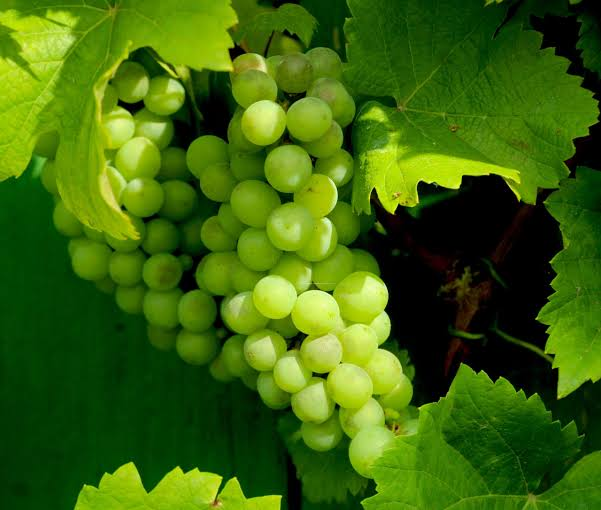
Green grapes trace back to the Middle East and the Mediterranean, grown for over six thousand years as part of the Vitis vinifera family. Old civilizations didn’t just eat them — they built festivals and rituals around them, treating grapes as a sign of abundance. Fast forward to now, and they’ve made their way into salads, cheese boards, wine, and, of course, that bag of raisins sitting in your pantry.
Why Your Body Likes Them
Bite into one and you’re getting a mix of flavonoids and resveratrol — plant compounds that go to work fighting free radicals in your body. Free radicals sound harmless, but left unchecked they contribute to everything from faster skin aging to a higher risk of chronic disease. Grapes also bring vitamin C and vitamin K to the table, two nutrients your immune system and bones don’t get enough credit for needing.
Good For The Heart, Good For The Gut
Here’s something people don’t talk about enough: grapes have potassium and polyphenols, and together they help keep blood pressure from creeping up while keeping your blood vessels working the way they should. Over time, that’s less strain on your heart. And because grapes carry a decent amount of fiber, they also keep your digestion honest — feeding good gut bacteria and helping you avoid that heavy, bloated feeling after meals.
The Skin, Eyes, and Brain Connection
This is where it gets interesting. Resveratrol isn’t just an antioxidant buzzword — it has anti-inflammatory effects that can calm irritated skin and support collagen, the stuff that keeps skin firm and less prone to wrinkles. Grapes also contain lutein and zeaxanthin, compounds tied to eye health, particularly useful if you’re staring at screens all day. And there’s early evidence that the same antioxidants may help protect brain cells, supporting memory and focus as you get older.
A Snack That Won’t Wreck Your Diet
If you’re trying to eat lighter, grapes are one of those rare snacks that actually help. They’re low in calories, mostly water, and have just enough fiber to keep you full without weighing you down. Because of their low glycemic index, the natural sugar in grapes doesn’t hit your bloodstream all at once — unlike a candy bar or a soda.
But Don’t Overdo It
Like anything, too much of a good thing can backfire. Eating a huge bowl of grapes in one sitting might leave you gassy or bloated. If you’re on blood thinners or dealing with kidney issues, it’s worth checking with your doctor before making grapes a daily habit. And if they’re not organic, give them a good wash — pesticide residue is a real concern.
Bottom Line
Green grapes aren’t flashy. They don’t come with a marketing campaign or a superfood label slapped on the package. But peel back the hype around trendier fruits, and you’ll find grapes quietly doing a lot of good — for your heart, your gut, your skin, and even your brain. Sometimes the best things for you were sitting in the produce aisle the whole time.
About the Author