
Mango leaves are obtained from the mango tree (Mangifera indica) and have been used traditionally in South Asian countries. They encompass chemical compounds produced from plants, including tannins, flavonoids, and polyphenols, whose antioxidant and anti-inflammatory properties are recognized. In some instances, young mango leaves are used to prepare tea and create herbal remedies.
Most of mango leaves’ research has been conducted in laboratories or only using extracts rather than through direct consumption. Hence, their essence could be determined as being associated with traditional healing but not preferred over modern medicine.
Nutritional elements and natural ingredients of mango leaves
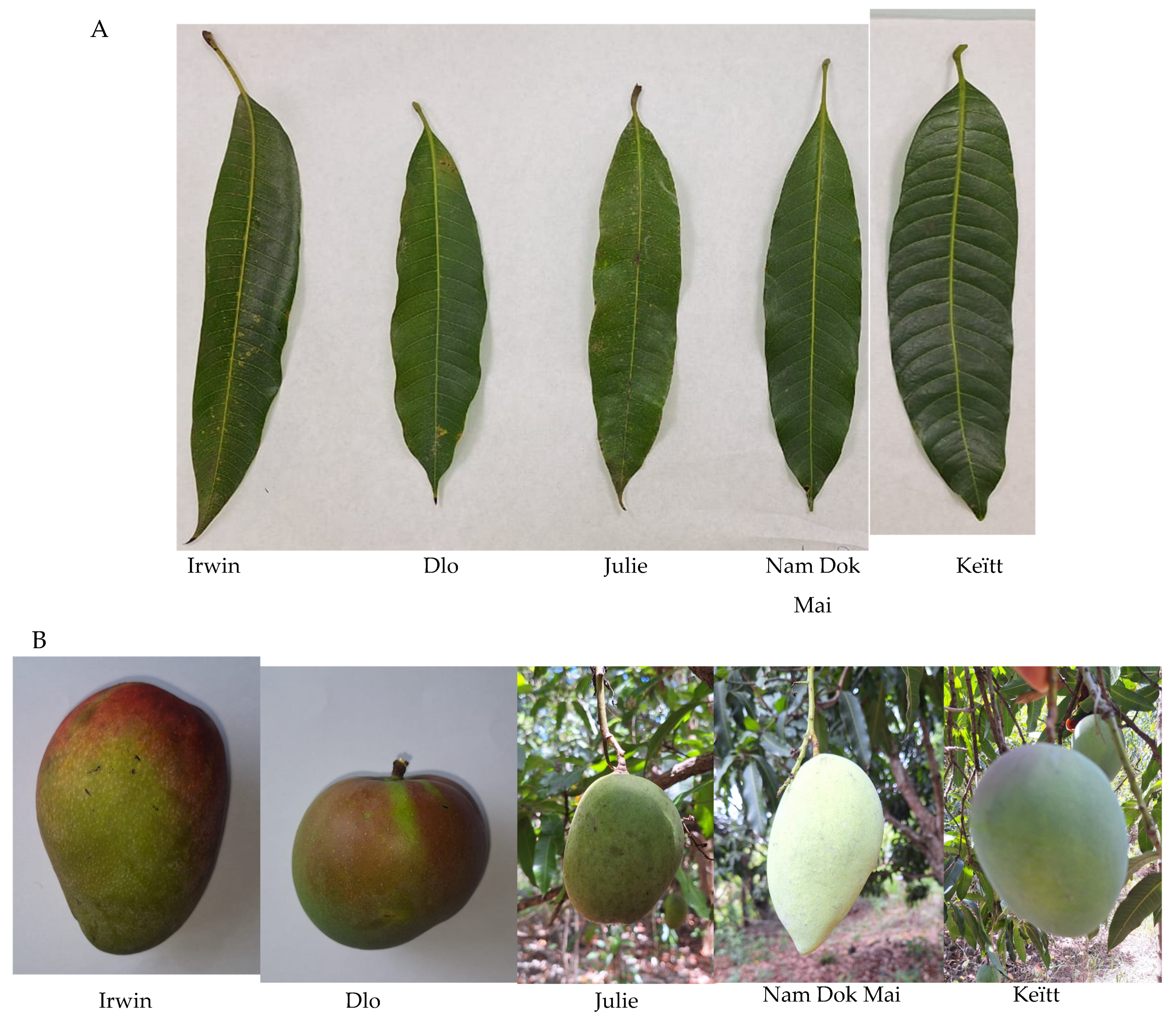
Young mango leaves are red-purple in color until they become dark green. They have many natural constituents, such as ingredients that have biological activity. Among these, mangiferin has received particular scientific attention because of its antioxidant and anti-inflammatory potential.
The composition can vary according to the maturity of the leaves, preparation method, and concentration of any extract used.
Potential Health Benefits of Mango Leaves
1. Provides Antioxidant Compounds
Mango leaves have antioxidants that might help protect cells from oxidative damage. Eating a diet rich in antioxidants may have a positive impact on health.
2. May Help Regulate Blood Sugar
Mango leaves have been used in the past in medicine for controlling blood sugar levels. Mango leaves have antioxidants that might help protect cells from oxidative damage. The consumption of food containing a large number of antioxidants may have a good influence on health.
3. Might Aid in the Control of Blood Sugar

In previous times, the leaves of the mango tree were utilized in the field of medicine for the purpose of regulating the level of blood sugar. Although it is possible that mango leaves may affect glucose metabolism, there is little research done on it in humans.
4. Might Have Anti-inflammatory Characteristics
Studies show that mango tree leaves may exhibit properties that reduce inflammation in people, which has drawn researchers’ attention to the investigation of the effects of mango leaves; however, it is necessary to conduct more experiments in order to prove the claims made.
5. Might Aid Digestion
Mango tree leaves are known to help with problems related to digestion. Some mango leaf preparations may help with problems concerning digestion, but there is not enough data to support this statement.
6. Might Help with Dental Health
Bioactive substances in mango tree leaves have the capacity to kill bacteria. Although such practices have traditionally existed for oral health purposes, it is necessary to keep in mind that proper dental hygiene is also important when it comes to oral health. Nevertheless, applying homemade leaf preparations to damaged or irritated skin may cause sensitivity and should be approached cautiously.
How Mango Leaves Are Commonly Used

One traditional method is preparing a mild infusion from young or properly cleaned leaves. Some people also use commercially prepared mango-leaf extracts. Because the concentration of active compounds can differ significantly between preparations, consuming concentrated supplements requires greater caution than using a small amount of a traditional infusion.
Possible Side Effects
Mango leaves may not be suitable for everyone. Those with allergies to mango or other plants in this family may be affected by allergic reactions. Consuming too many mango-leaf products may lead to digestive-related issues such as nausea and stomach cramps.
Additionally, mango leaf products may cause issues with blood sugar and blood pressure. Thus, people with diabetes or high blood pressure need to seek medical permission before taking these concentrated products.
Unfortunately, there is a lack of information about the use of medicinal doses during pregnancy or breastfeeding; therefore, it’s better to ask a healthcare provider for advice in this case.
Important Warnings
Do not think that natural means safe! You should not use unknown leaves or highly concentrated homemade remedies instead of the prescribed treatment. Those people who suffer from chronic diseases or take regular medications should seek professional help before using herbal supplements.
About the Author