Image Credit: Google

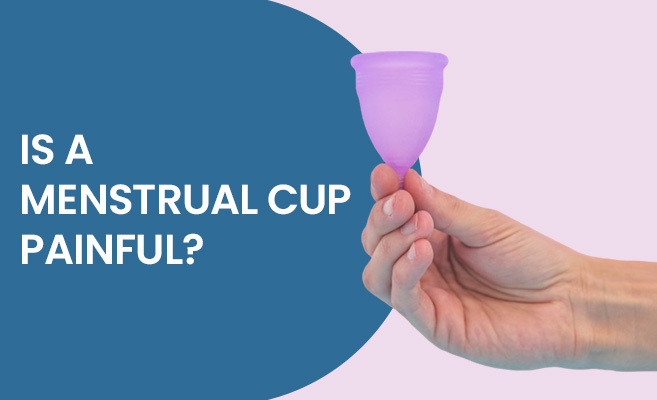
Menstrual cups are an increasingly popular choice of period protection, especially for those seeking an alternative to sanitary pads and tampons, which are reusable and cheaper. The menstrual cup is a medical-grade silicone cup that is inserted into the vagina and used to collect menstrual blood instead of soaking it up during menstruation.
But as menstrual cups become more common in 2026, an important question remains: Are there any side effects of using a menstrual cup?
The quick answer: When used properly, menstrual cups are safe menstrual-hygiene products. Yet there are some potential issues that they don’t escape entirely. It may cause discomfort, irritation, and problems putting on or taking off the cup, as well as leaks, particularly for those new to wearing a cup. A large systematic review also revealed few reports of vaginal injuries, urinary issues, allergic reactions, and toxic shock syndrome.
1. Initial Discomfort or Difficulty Inserting the Cup
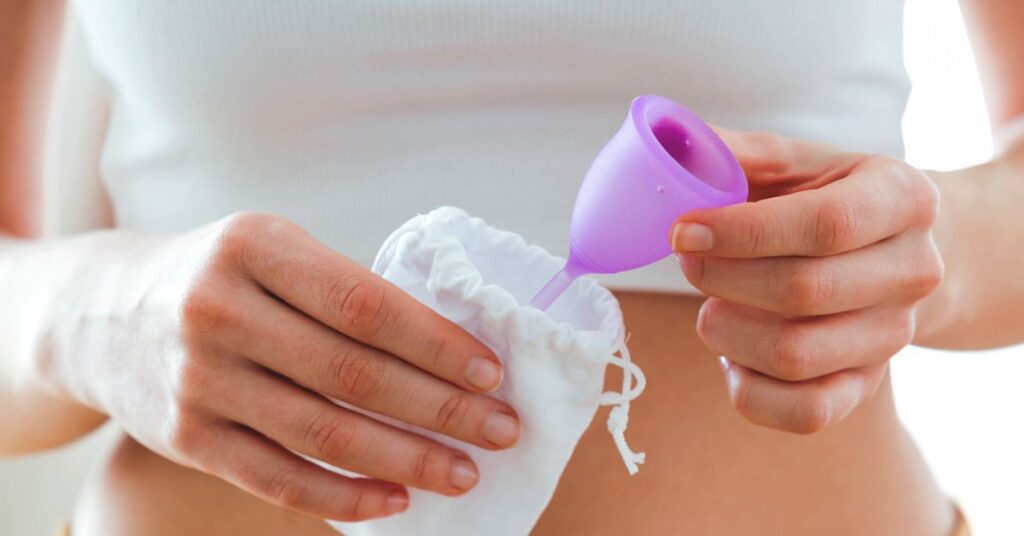
The first time a woman uses a menstrual cup, it may feel strange. Insertion may cause discomfort or pain if the size is the wrong one, the folding technique is not correct, or sufficient relaxation is not achieved.
Not all menstrual cups are the same, so it doesn’t have to mean that they aren’t appropriate for you. It can take a couple of cycles to find the correct position, fold, and size for your body.
Personal tip: If you are new to using a cup, don’t make it a competition. Take time to do what feels good; don’t push it.
2. Vaginal Irritation and Allergic Reactions
Some users may experience irritation, redness, or discomfort. Sensitivity might be associated with the material of the cup, lubricants used during insertion, or cleaning products.
A good cup, constructed from a body-safe material and cleaned in line with the manufacturer’s guidelines, will minimize unnecessary issues. If you are still being irritated after changing the technique or product, discontinue the use of the cup and consult with a health care professional.
3. Leakage Can Still Happen
A lot of people think that the menstrual cup will be entirely leakproof, this is not the case.Leakage can happen if the cup has not opened properly, the seal is incomplete, the cup is positioned incorrectly, or it has reached its capacity during heavier bleeding. Choosing the right size and understanding the proper fit of your cup can make all the difference.
Interestingly, some studies have revealed that leakage with menstrual cups can be comparable to or less than leakage with other menstrual products.
4. Cramping or Pressure
Others experience cramps, pressure, or the sensation of fullness while in a cup. This can be a result of positioning the cup incorrectly or if the individual’s firmness is not compatible with the cup.
Don’t let your body go for more time if you have been in pain for a long time or have severe pain. Take off the cup and consult a doctor if the pain persists.
5. Urinary Problems May Rarely Occur
Uncommon urinary issues have been reported with the use of the menstrual cup. A cup that is too large or that is placed in a way that puts pressure on nearby structures may help to cause discomfort or difficulty urinating.
It’s better not to use the cup if you get a burning sensation when you pass urine, if the urine is very uncomfortable, if you notice blood or if you are having trouble passing urine.
6. Toxic Shock Syndrome: Extremely Rare but Serious
Toxic Shock Syndrome (TSS) is a very uncommon but serious condition caused by specific toxins released by bacteria. It is more often talked about in reference to tampons, but it has been reported in some rare instances of people using menstrual cups.
Symptoms that warrant immediate medical attention are sudden fever, vomiting, diarrhea, dizziness, fainting, rash, and feeling very ill.
Don’t worry about the menstrual cup just because of this. Rather, it is a reminder that proper menstrual care and proper use of menstrual products are important.
7. IUD Users Should Take Extra Care
If you are using an intrauterine device (IUD), consult with your gynaecologist before you use a menstrual cup.
There have been published reports of IUD displacement or expulsion with use of the menstrual cup, but the extent of the risk is not well established.
This is especially important to talk about if your IUD was placed in your uterus recently.
Strategies for reducing the risk of side effects
Here are some easy tips for making menstrual cups safer and more comfortable to use:
- Wash hands prior to insertion and removal of the cup.
- Clean and sterilize according to the manufacturer’s instructions.
- Use the right size, not just the one that’s “cheaper” or “popular”.
- Never push in or pull out the cup forcefully.
- Empty it following the manufacturer’s directions and your period flow.
- Robustly maintain the cup, and put it away between uses.
- Discontinue use if pain or irritation is severe.
If pain is severe, a fever is present, or if there are other worrying symptoms, such as a struggle to urinate, seek medical assistance.
The Bottom Line
Just because the menstrual cup is inserted into your vagina doesn’t make it dangerous. Based on current evidence, menstrual cups are considered a safe method for managing menstruation, although the research into some of the less common and longer-term complications is ongoing. In 2026, a systematic review focused on vaginal health was published, and another one was published on reproductive-tract infections and the vaginal microbiome, a testament to further efforts to understand menstrual-cup safety in greater detail.
To me, menstrual cups are not a “perfect” solution for using pads or tampons, but another option. They can be convenient and reusable if they fit into your lifestyle and are comfortable. If your body repeatedly tells you that something isn’t right, there is absolutely nothing wrong with choosing another menstrual product.
Keep in mind: Prioritize comfort and hygiene, and listen to your body before taking on a period-product fad.
About the Author