Regular hearing checkups can detect these changes early, identify possible ear concerns and guide the right treatment before communication becomes more difficult at home, work or socially.
1. Hearing Loss Can Develop without Clear Warning
Gradual hearing loss is easy to miss because the brain adjusts to reduced sound over time. A checkup measures the softest sounds you can hear at different pitches. It gives you a clear result instead of relying on guesswork or waiting until communication becomes difficult. This also helps track changes during future hearing assessments accurately.
2. Early Detection Can Prevent Further Damage
Some hearing changes are linked with repeated exposure to loud music, traffic, machinery or crackers. Testing can show whether noise has already affected your hearing. This allows you to lower headphone volume, use ear protection and avoid further exposure before the problem becomes more serious.
3. It Can Identify Treatable Ear Problems
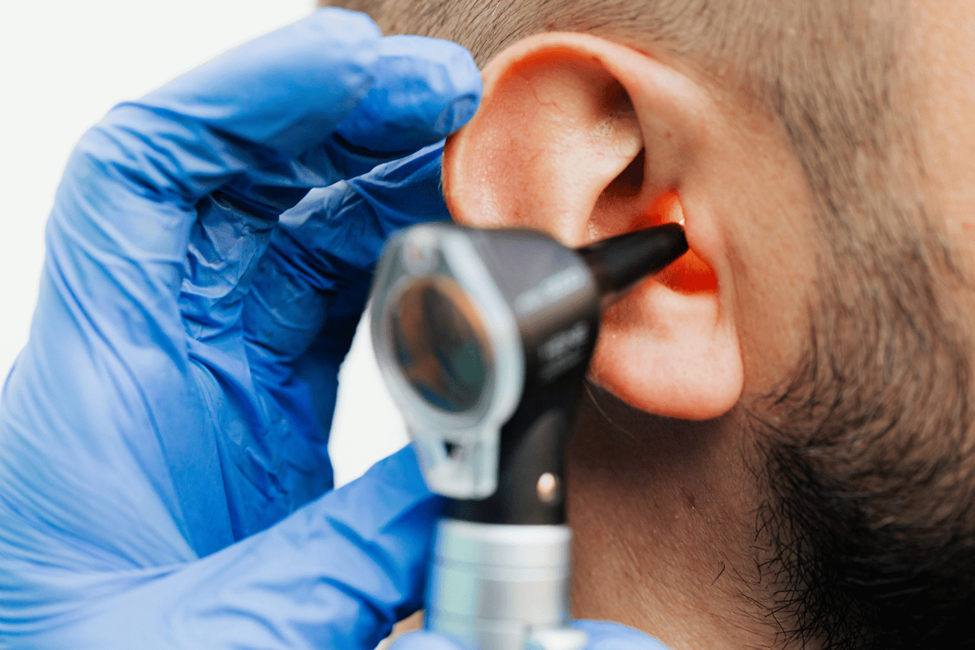
Not every hearing difficulty requires hearing aids. Earwax blockage, infection, fluid or pressure in the middle ear may reduce hearing temporarily. A professional checkup can help identify these concerns and guide you towards the right medical treatment, rather than choosing a device without knowing the cause.
4. Clear Hearing Supports Better Communication
Missing words can lead to misunderstandings at home, work or social gatherings. You may hear someone speaking but struggle to understand the full sentence. Regular testing can detect this difficulty early. If hearing aids are recommended, proper fitting can make speech clearer and reduce the effort needed during conversations.
5. Tinnitus May Be Linked with Hearing Changes
Ringing, buzzing or humming in the ears can sometimes occur with hearing loss. A checkup helps measure your hearing and identify whether both concerns may be connected.
Depending on the result, an audiologist may suggest sound therapy, medical advice or suitable hearing aids as part of a wider management plan.
6. It Creates a Useful Hearing Record
A baseline test records how well you hear at a particular time. Future results can then be compared with it. This is useful for older adults, people with a family history of hearing loss and those who work in noisy places.
Small changes are easier to notice when previous results are available. This helps professionals recommend timely care based on clear evidence.
7. An Online Hearing Test Can Show When to Seek Help
An online hearing test offers a quick initial check at home. It may help you notice possible hearing difficulty and decide whether to book a full assessment. Take the online hearing test in a quiet room with reliable earphones.
However, it cannot examine the ear or confirm the cause of hearing loss. A normal test result should not be ignored if symptoms continue.
8. Existing Devices May Need Adjustment
Hearing can change after you start using hearing aids. Your listening needs may also differ across home, office and outdoor settings. Follow-up checkups allow an audiologist to review comfort, sound quality and device settings. Regular adjustments can help the devices continue to match your hearing needs.
Final Thoughts
Regular hearing checkups help detect hearing changes early, identify treatable ear concerns and prevent communication problems from becoming worse. They also help you decide whether you need medical treatment, hearing protection or hearing aids. A timely hearing assessment can support clearer hearing and better daily communication.
About the Author