
Vietnam and Cambodia are a match made for anyone hungry for adventure in Southeast Asia. Where else can you bounce from dramatic landscapes to ancient temples, then dive into streets buzzing with energy and culture that just sweeps you up? Two weeks hits the sweet spot—you get a taste of the best these two countries have to offer without coming home exhausted. Here’s how to spend 14 days making the most out of this corner of the world in 2026.
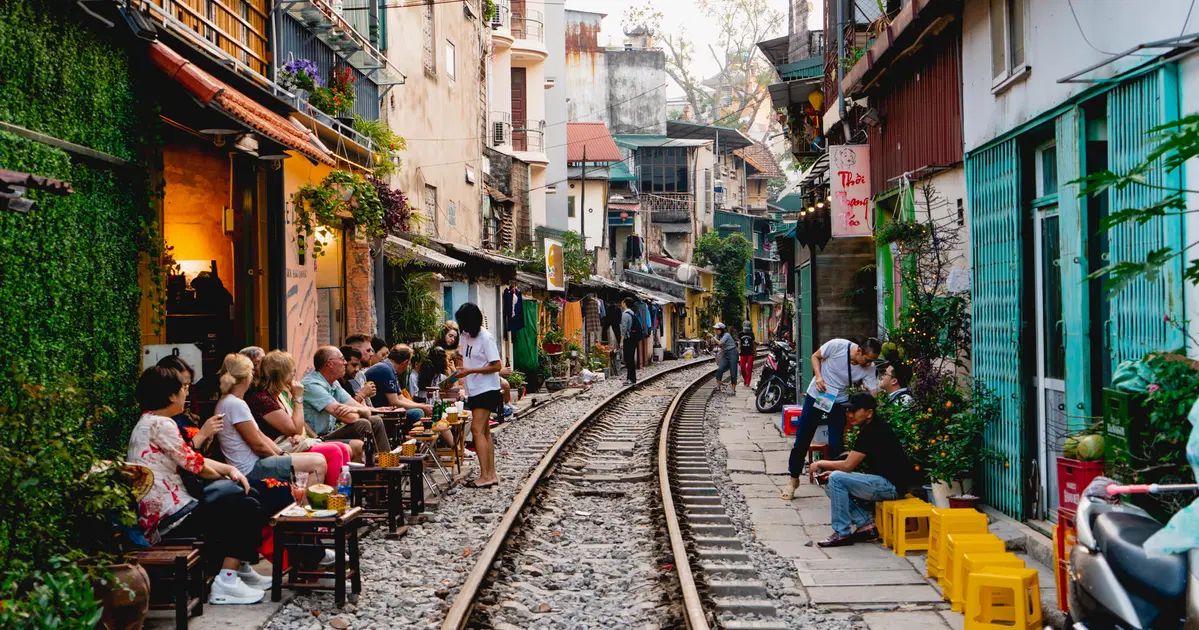
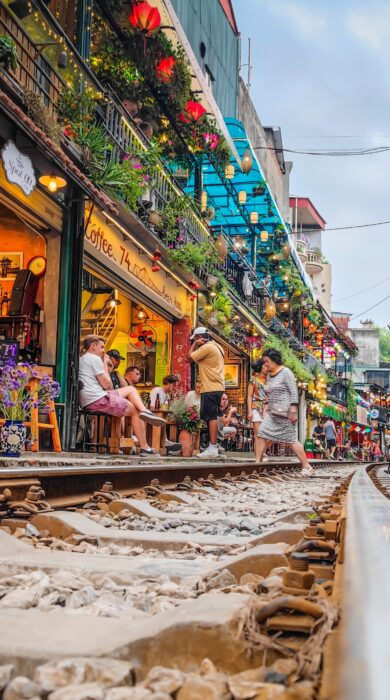
Start in Hanoi. Walk through the Old Quarter, and you’re right in the thick of things—narrow streets, quirky shops, and endless motorbikes weaving past like it’s some kind of urban dance. When you need a breather, wander around Hoan Kiem Lake, soak in a little history at the Temple of Literature, or stop by the Ho Chi Minh Mausoleum. And really, eat everything you can—don’t leave without trying a bowl of pho or sipping an egg coffee at a sidewalk café. Hanoi pulses with energy, but now and then, you find a quiet spot where the city slows down.
Days 4–5: Ha Long Bay
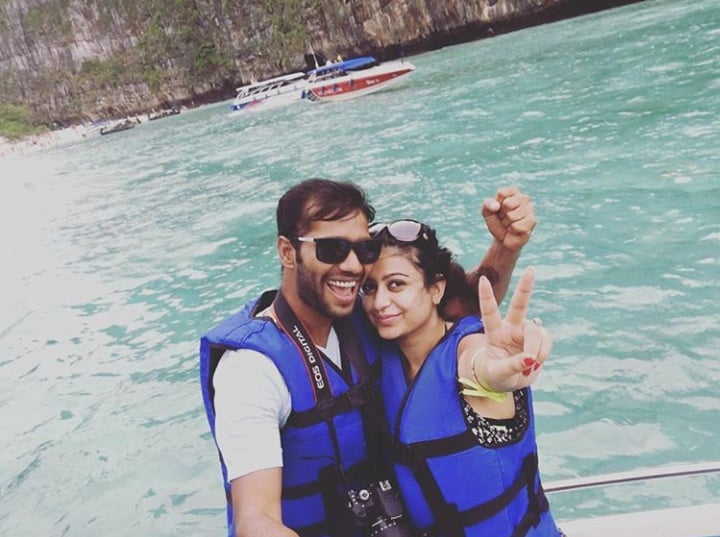
Ha Long Bay is next, and honestly, it feels otherworldly. Climb aboard an overnight cruise, and you’re off, drifting between those limestone islands rising out of emerald water. There’s kayaking, hidden caves to explore, heaps of seafood, and those sunrises? Unreal—especially when the morning mist lifts, and you get that soft, early light over the bay.
Days 6–8: Hoi An and Da Nang
Fly south to Da Nang, then slide down to Hoi An. At night, the place glows—lanterns everywhere, reflections in the river, narrow alleys that feel like stepping into a fairytale. Stroll past the Japanese Covered Bridge, dig into Hoi An’s tailor shops if you fancy something made just for you, and pick up a bike or motorbike for a ride to An Bang Beach. If you want a change of pace, climb around Da Nang’s Marble Mountains or catch the Dragon Bridge’s fire and light show at night.
Days 9–10: Ho Chi Minh City
Drop into Ho Chi Minh City (Saigon to pretty much everyone you meet) and get ready for even more contrasts. One minute you’re passing glass towers; the next, you’re in front of crumbling colonial facades or sampling street food right in the shadow of designer boutiques. The War Remnants Museum, Notre-Dame Cathedral, and Central Post Office are non-negotiables. Hit Ben Thanh Market for that nonstop local hustle, or, if you’re up for it, dive into the Cu Chi Tunnels for a real history lesson.
Days 11–12: Phnom Penh, Cambodia
Cross the border to Phnom Penh. The Royal Palace and Silver Pagoda are easy on the eyes, but the city has layers. Walk the riverside, stop by the National Museum, and spend some time learning about Cambodia’s recent past at the Tuol Sleng Genocide Museum and the Killing Fields. It’s heavy, but it’s real—and you’ll leave with a deeper understanding of the place.
Days 13–14: Siem Reap and Angkor Wat
Wrap things up in Siem Reap. Set your alarm early and catch sunrise at Angkor Wat—yes, it’s worth the wake-up call. Then get lost among Angkor’s giant roots and stone faces: Bayon, Ta Prohm, and all those lesser-known corners. Time just kind of disappears among these ancient temples.
Travel Tips
It’s easy to get around. Domestic flights save time, while buses and trains are there if you’d rather go slow and see things up close. Always carry some local cash—street food vendors and small stalls rarely take cards. Dress respectfully at temples (shoulders and knees covered), drink more water than you think you need, and book your room in advance, especially during busy months. A little planning goes a long way.
In just two weeks, you’ll run a wild range: sleepy Hà Nội lanes, Saigon’s neon nights, the misty silence of Ha Long Bay, and Angkor’s stone giants. Every single day brings a new story. When you get home, you’ll find yourself telling them again and again.
About the Author