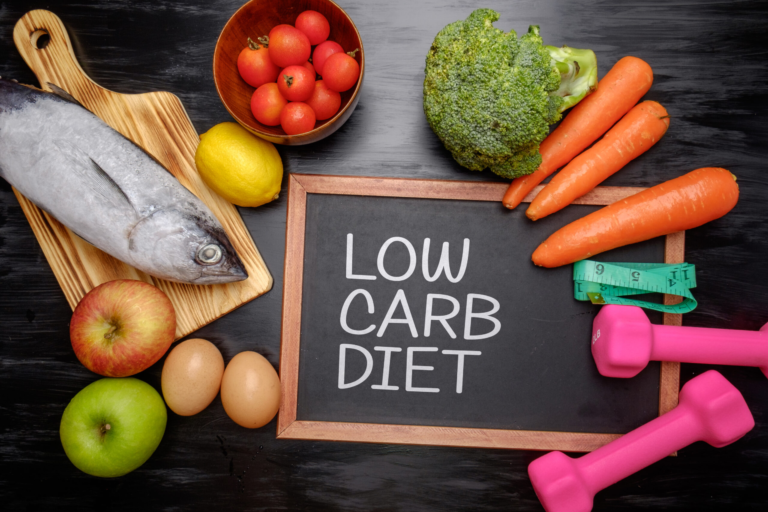

Carbohydrates are important in a healthy diet and are one of the main sources of energy for the body. They play an important role in ensuring energy for the daily routine, brain activities, and muscles. At present, low-carb diets are becoming increasingly popular; however, too little carbohydrate consumption will lead to a decrease in calories, fiber, and other nutrients.
What are carbohydrates?

Carbohydrates are nutrients found in different products available in nature, including grains, fruits, vegetables, beans, and lentils. Carbohydrates can be divided into simple carbohydrates and complex carbohydrates. Simple carbohydrates are absorbed sooner than complex carbohydrates.
Fibre is considered another carbohydrate. However, unlike digestible carbohydrates, a lot of fibre is not digested by the body.
What Can Lead to Low Carbohydrate Intake?
One of the possible reasons behind low carbohydrate consumption can be diet restrictions, low food consumption, irregular meals, or some illnesses. People involved in strenuous physical activity may have increased energy requirements and need to pay particular attention to overall dietary intake.
Other possible factors include eating disorders, chronic illness, medication-related appetite changes, food allergies or intolerances, gastrointestinal surgery, financial difficulties, and rapid weight-loss programmes.
Common Signs and Symptoms

The effects of inadequate carbohydrate intake can vary from person to person. Some commonly reported symptoms include:
Persistent tiredness or low energy
Physical weakness
Difficulty concentrating or feeling mentally sluggish
Headaches
Lightheadedness or dizziness
Irritability and mood changes
Increased cravings for carbohydrate-rich foods
Constipation when fibre intake is also low
Unintentional weight loss
Reduced exercise performance
These symptoms are not specific to carbohydrate deficiency and may occur for many other reasons. Persistent or severe symptoms should therefore be evaluated by a healthcare professional.
Who May Be More Vulnerable?
Certain groups may require closer attention to their nutritional intake. These include people following highly restrictive diets, individuals with eating disorders, athletes with high energy demands, older adults with reduced appetite, and people with conditions affecting digestion or nutrient absorption. Pregnancy, breastfeeding, recovery from surgery, and chronic illness can also change nutritional requirements.
How Is the Problem Identified?
There is no single routine test that simply confirms “carbohydrate deficiency.” Healthcare professionals generally assess the person’s eating pattern, symptoms, weight changes, medical history, and overall nutritional status. Blood glucose and other laboratory investigations may be considered when clinically appropriate. Further testing may be necessary when an underlying digestive or metabolic condition is suspected.
Possible Consequences
If inadequate food or carbohydrate intake continues for a prolonged period, the body may rely more heavily on stored fat and, in some circumstances, protein for energy. Depending on the overall diet, prolonged inadequate nutrition can contribute to weight loss, muscle loss, reduced physical performance, poor concentration, and other nutritional problems.
Dietary Management
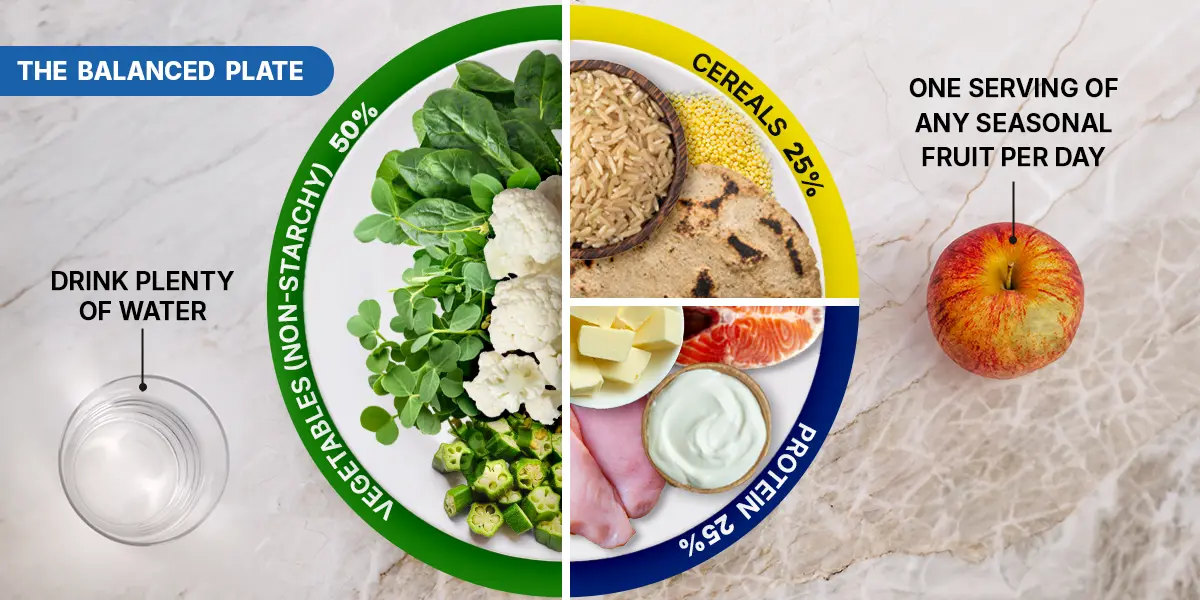
The appropriate approach depends on why carbohydrate intake is low. In the case of many individuals, enhanced quality and quantity of carbohydrate sources can really be beneficial. Some examples of positive choices are:
Oats and other whole grains
Brown rice
Quinoa and barley
Millets
Potato and sweet potato
Fruits and vegetables
Beans, chickpeas, and lentils
Whole-grain bread and pasta
Instead of relying on food products with a high proportion of sugar content, meals can be built around carbohydrate-rich products that are minimally processed and matched with proteins, beneficial fats, vegetables, etc.
Tips for prevention
A healthy diet is a more stable approach than complete removal of a certain food type from the diet if it is not done for health reasons. Thus, a person should stick to scheduled meals, try to eat diverse plant foods, opt for whole grains whenever possible, and drink enough.
Carbohydrates and a Healthy Lifestyle
Carbohydrates should not be treated as simply “good” or “bad.” Instead, one must take into account the type of carbohydrate, its portion size, method of preparation, as well as the overall pattern. In fact, whole grains, legumes, fruits, and vegetables help to provide carbohydrates along with fiber, vitamins, and minerals.
About the Author