
The Sweet Truth: Why Peaches Deserve a Spot in Your Daily Diet
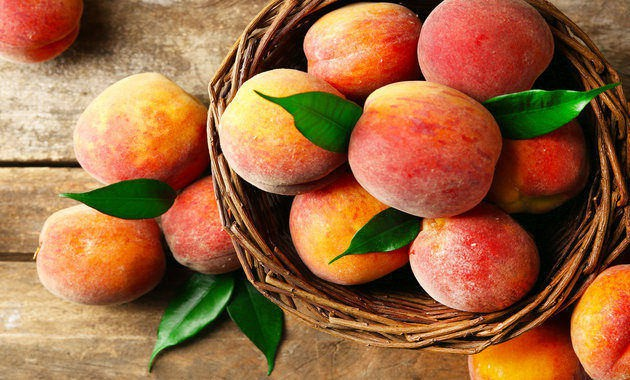
I still remember the first time I ate a peach straight off the tree at my grandmother’s place — juice running down my wrist, no napkin in sight, and honestly not caring. There’s a certain kind of joy in that fruit that no supermarket apple has ever matched for me. But peaches aren’t just a nostalgic summer snack. They’ve been part of human diets for over 4,000 years, first cultivated in China, and along the way they picked up a reputation for more than just good flavor.
A Fruit With History Behind It
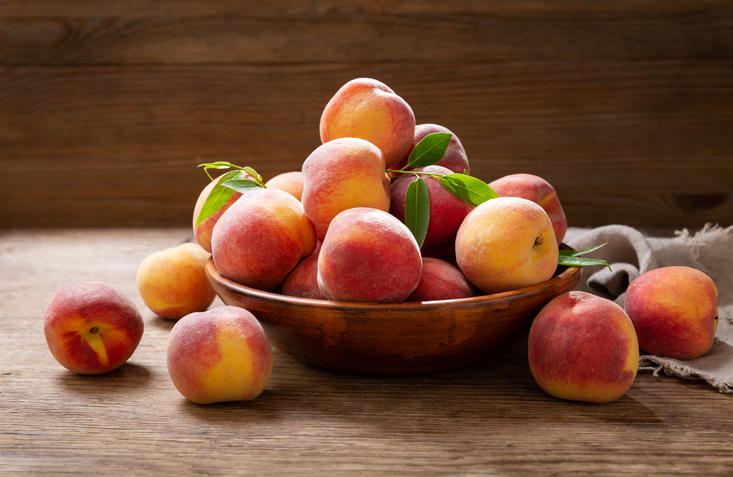
In old Chinese folklore, peaches were tied to ideas of long life and good fortune. That wasn’t just superstition — traditional healers actually used peaches to settle upset stomachs and ease breathing problems. Turns out, they were onto something. Modern nutrition science has spent the last few decades quietly backing up what people figured out through trial and error centuries ago.
What’s In One, Exactly
Peaches are deceptively light — low in calories, mostly water — but don’t let that fool you into thinking they’re nutritionally empty. They carry a solid amount of vitamin C, some vitamin A, fiber, potassium, and a mix of antioxidants including polyphenols and carotenoids. That combination does more work in the body than people usually give it credit for.
Where You’ll Actually Feel the Difference
Digestion tends to improve first. The fiber in peaches keeps your gut moving and gives the good bacteria in there something to work with, which helps with regularity and general gut comfort.
Your heart gets a quieter benefit. Potassium helps offset sodium and keep blood pressure in a healthier range, while the fiber content chips away at cholesterol buildup over time.
Skin often looks better with regular peach eating, mostly thanks to vitamin C’s role in collagen production. Add the antioxidants fighting off UV and pollution damage, and you’ve got a decent natural ally against fine lines and dullness.
Blood sugar stays more stable too, since peaches have a low glycemic index and release their natural sugars gradually instead of spiking things.
Eyesight and brain health benefit in smaller, longer-term ways — vitamin A and lutein support the retina, while antioxidants help protect brain cells from the kind of wear and tear linked to memory decline.
Bones hold up better as well, since peaches contain calcium, phosphorus, and magnesium, all of which matter more as we age.
A Few Things Worth Knowing
Not everyone tolerates peaches perfectly. If you’re allergic to birch pollen, you might notice itching or swelling in your mouth after eating one — that’s oral allergy syndrome, and it’s more common than people realize. Eating too many can also cause bloating or stomach cramps, and anyone managing kidney issues or blood sugar concerns should probably keep portions in check rather than going overboard.
Bottom Line
Peaches manage to be both simple and genuinely good for you — which isn’t something you can say about most snacks. They support digestion, heart health, skin, blood sugar control, and even bone strength, all while tasting like summer in a bite. In 2026, with so many people trying to eat cleaner without overcomplicating things, peaches are about as easy a win as fruit gets.
About the Author