
Low Sperm Count: The Quiet Problem Behind Many Fertility Struggles
Nobody wakes up one day and thinks, “my sperm count might be low.” It usually isn’t until a couple has been trying for a baby for months, maybe longer, that the question even comes up. That’s part of what makes this condition tricky — it rarely shouts. It just sits there, quietly making conception harder, until someone finally asks why.

So What’s Actually Going On?
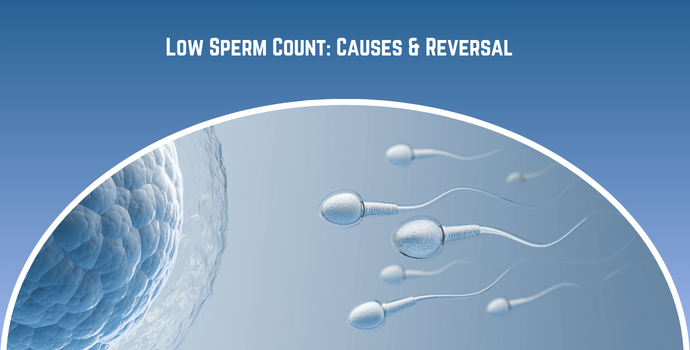
The medical term is oligospermia, which just means a man’s semen has fewer than 15 million sperm per milliliter. It sounds like a small technical detail, but it’s actually behind a huge chunk of male infertility cases — somewhere between 30 and 40 percent, depending on the study you look at. And the frustrating truth is that most men have no idea anything’s wrong until fertility testing brings it to light.
The Warning Signs People Miss
Trouble conceiving is usually what finally pushes a man to see a doctor, but if you look closely, there are often earlier clues. A drop in libido that’s hard to explain. Erections that aren’t as reliable as they used to be. Less semen than usual during ejaculation. These aren’t things men tend to bring up casually, which is probably why they go unnoticed for so long.
Physical changes can creep in too — thinning hair, unexplained fatigue, or even breast tissue development, which sounds strange but is actually a real sign of hormonal imbalance. Some men deal with testicular pain or swelling, which is worth getting checked immediately rather than waiting it out. And then there’s the emotional side of things — irritability, anxiety, that low-grade stress that builds when conception isn’t happening on the expected timeline. It’s easy to overlook, but it’s real, and it matters.
Where It Comes From
There’s rarely one single cause. Smoking, drinking too much, carrying extra weight — these all chip away at sperm quality over time, often without any noticeable symptoms until much later. Heat plays a bigger role than most people realize too; regular hot tub use or tight-fitting clothes can raise testicular temperature just enough to cause problems. Then there are the medical culprits — diabetes, infections, hormonal issues, sometimes genetics. Chronic stress doesn’t help either, since it messes with the same hormonal pathways that regulate sperm production. And increasingly, researchers are pointing to environmental exposure — chemicals, pollutants — as a factor in falling sperm counts worldwide.
What Can Actually Be Done
This is the part worth holding onto: a lot of these cases can improve. Cutting back on alcohol, quitting smoking, losing some weight, eating better — these changes genuinely move the needle, often within a few months. Managing stress helps too, more than people give it credit for. When lifestyle changes aren’t enough, doctors can step in with hormonal treatment or, in some cases, minor surgery.
The bottom line is simple: don’t ignore the small stuff. A body that’s struggling usually tries to tell you before things get serious — the trick is actually listening.
About the Author