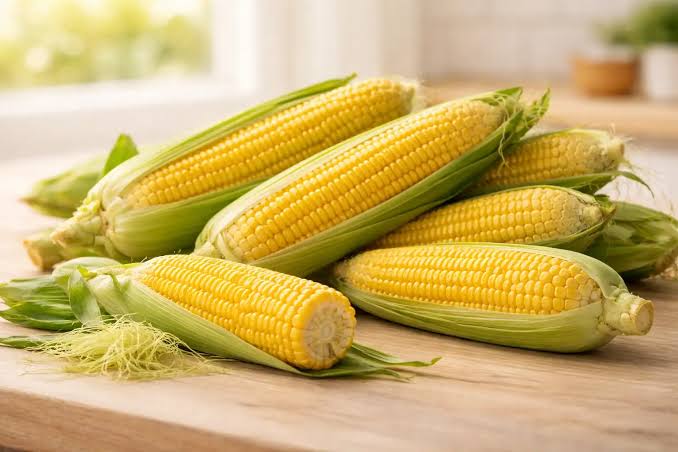

Maize, commonly known as corn, is one of the world’s most widely consumed cereal grains. It is enjoyed in many forms, including fresh corn on the cob, boiled or grilled corn, popcorn, cornmeal, corn flour and other whole-grain products.
Maize provides carbohydrates, dietary fiber, vitamins, minerals and various plant compounds. Fresh sweet corn is often treated as a vegetable in meals, while dried maize and popcorn are generally considered grains. The nutritional value can vary considerably depending on the variety and how the corn is processed.
What Is Maize?
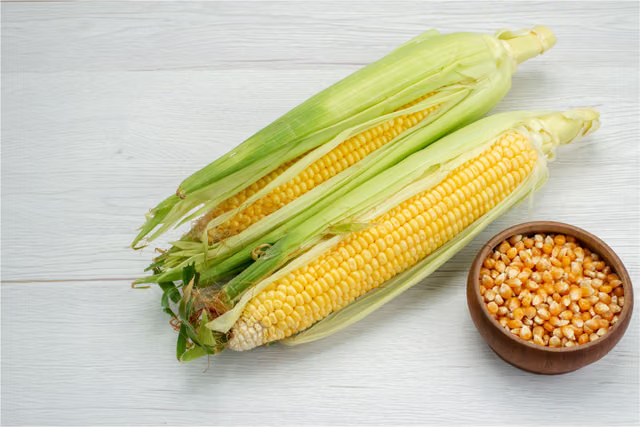
Maize, or Zea mays, is a cereal grain belonging to the grass family. It originated in the Americas and is now cultivated worldwide.
Yellow corn is particularly well known for its carotenoids, including lutein and zeaxanthin, while blue, purple and red varieties can contain additional antioxidant pigments such as anthocyanins.
Nutritional Value of Maize
Approximately 100 grams of boiled yellow corn provides around:
- 96 calories
- 21 grams of carbohydrates
- 3.4 grams of protein
- 2.4 grams of dietary fiber
- 1.5 grams of fat
- Vitamin C
- Folate
- Magnesium
- Potassium
- Other B vitamins and plant compounds
Whole-grain forms of maize generally retain more fiber, vitamins, minerals and phytochemicals than highly refined corn products because the bran and germ are retained.
1. Supports Digestive Health
Maize provides dietary fiber, particularly insoluble fiber, which adds bulk to stool and can help support regular bowel movements.
Corn fiber can also contribute to the activity of beneficial bacteria in the gut. However, eating large amounts at once may cause gas or digestive discomfort in some people.
2. May Support Eye Health
Yellow maize contains the carotenoids lutein and zeaxanthin, which are concentrated in the eye and are associated with healthy vision.
Including foods containing these carotenoids as part of a varied diet can contribute to overall eye nutrition.
3. Provides Energy
Maize is primarily a carbohydrate-containing food, with starch providing much of its energy.
Fresh corn, cornmeal and other minimally processed maize products can therefore contribute carbohydrates to meals, particularly when paired with protein, vegetables and healthy fats.
4. May Support Heart Health
Whole-grain maize provides fiber, magnesium, potassium and various plant compounds. Diets rich in whole grains and dietary fiber are associated with cardiovascular health and may help support healthy cholesterol and blood pressure levels.
This does not mean that maize alone prevents heart disease. Overall dietary pattern, physical activity and other lifestyle factors remain important.
5. Contains Antioxidant Compounds
Maize contains several naturally occurring plant compounds, including carotenoids, phenolic compounds and flavonoids.
Different varieties can have different antioxidant profiles. Yellow corn is notable for carotenoids, while darker varieties such as purple and blue corn can contain anthocyanins.
6. May Help Support Weight Management
Whole-grain maize contains dietary fiber, which can contribute to feelings of fullness.
Choosing whole or minimally processed corn and consuming reasonable portions can therefore fit into a balanced diet. However, corn itself is not a weight-loss food, and preparation matters. Fried corn products, heavily buttered corn and calorie-dense processed snacks can substantially increase the overall calorie content.
7. Supports Overall Nutrient Intake
Maize provides several vitamins and minerals, including magnesium, potassium, folate and vitamin C.
The exact nutritional profile depends on the variety, processing and preparation method. Whole-grain maize generally retains more nutrients than refined forms in which the bran and germ have been removed.
8. Can Be Part of a Healthy Blood Sugar-Friendly Diet
Corn contains starch and carbohydrates, but it also provides fiber. The effect on blood glucose depends on factors such as portion size, preparation, processing and what other foods are eaten with it.
Whole or minimally processed corn can fit into a balanced diet, including for people managing blood sugar, although individual carbohydrate requirements differ. People with diabetes should consider their overall meal composition and follow personalized dietary advice when needed.
9. Naturally Gluten-Free
Maize is naturally gluten-free. This makes plain corn and suitable corn-based foods useful options for people who need to avoid gluten.
However, individuals with celiac disease should check labels on processed corn products because cross-contact with gluten-containing grains can occur during manufacturing.
10. Provides Whole-Grain Benefits
Dried whole maize can be consumed as a whole grain. Whole grains contain the bran, germ and endosperm, providing fiber, vitamins, minerals and other plant compounds.
Regular consumption of whole grains is associated with several health benefits, including better digestive health and a lower risk of several chronic diseases.
Fresh Corn vs Processed Corn
Not all corn-based foods have the same nutritional profile.
| Form | General Characteristics |
|---|---|
| Fresh corn | Provides fiber, carbohydrates, vitamins and plant compounds |
| Boiled corn | A simple preparation with relatively few added ingredients |
| Grilled corn | Can be nutritious when prepared without excessive butter or salt |
| Popcorn | Can be a whole-grain food when air-popped and lightly seasoned |
| Cornmeal | Nutritional value varies depending on whether it is whole-grain or refined |
| Corn flour | Nutritional profile depends on processing |
| Corn chips | Often higher in fat and sodium, especially when fried |
| Corn syrup | A sweetener rather than a substitute for whole maize |
Whole or minimally processed maize generally offers more nutritional value than highly processed corn products.
Is Popcorn Healthy?
Popcorn can be a nutritious snack because it is a whole grain. The nutritional profile changes substantially depending on how it is prepared.
Air-popped popcorn with limited added salt, sugar and fat can be a reasonable snack. Popcorn heavily coated with butter, caramel or other calorie-dense toppings is a different nutritional choice.
Is Maize Good for Diabetes?
Maize contains carbohydrates and can raise blood glucose, so portion size matters for people with diabetes.
At the same time, whole corn provides fiber and is less processed than many refined corn-based foods. It can be incorporated into a diabetes-friendly eating pattern when portions and the rest of the meal are appropriately planned. Individual responses can vary.
Possible Disadvantages of Eating Too Much Maize
Although maize can be nutritious, excessive consumption may not be ideal.
Some people may experience:
- Gas or bloating from its fiber
- Digestive discomfort when large quantities are consumed
- Higher calorie intake when corn is prepared with substantial butter, oil or sauces
- Higher sodium intake from heavily salted or processed corn products
- Blood sugar increases when large portions of carbohydrate-rich corn are consumed
The form of maize matters considerably. A boiled corn cob and a deep-fried corn snack should not be considered nutritionally equivalent.
Best Ways to Include Maize in Your Diet
Some healthier ways to enjoy maize include:
- Boiled or steamed corn
- Grilled corn with lemon and herbs
- Fresh corn added to salads
- Corn and vegetable soups
- Homemade corn-based dishes
- Whole-grain cornmeal preparations
- Air-popped popcorn
- Corn paired with beans, lentils or other protein sources
Keeping added salt, sugar and saturated fat moderate can help maintain the nutritional quality of the meal.
Frequently Asked Questions
Is maize healthy to eat every day?
Maize can be part of a healthy diet when consumed in appropriate portions and as part of a varied eating pattern. Whole or minimally processed forms are generally preferable to highly processed corn snacks.
Is maize good for digestion?
Yes. Its dietary fiber can support bowel regularity and digestive health. However, large quantities may cause gas or bloating in some people.
Does maize help with weight loss?
Maize contains fiber that may contribute to fullness, but eating maize alone does not cause weight loss. Portion size and the overall diet are more important.
Is maize good for the eyes?
Yellow maize contains lutein and zeaxanthin, carotenoids associated with eye health.
Is maize gluten-free?
Yes. Plain maize is naturally gluten-free. People with celiac disease should still check processed products for possible cross-contact.
Is boiled corn healthier than fried corn?
Generally, boiled or steamed corn without excessive added fat or salt is a simpler, less calorie-dense choice than fried corn products.
Final Thoughts
Maize is a versatile and nutritious cereal that can provide fiber, carbohydrates, vitamins, minerals and antioxidant plant compounds. Its lutein and zeaxanthin content can contribute to eye nutrition, while its fiber supports digestive health.
The healthiest choices generally involve whole or minimally processed maize, such as fresh corn, boiled corn, whole-grain corn products and lightly prepared popcorn. Highly processed or fried corn products can contain substantially more fat, salt or added sugar.
When included in appropriate portions as part of a varied diet, maize can be a nutritious food choice in 2026.
Also read: https://link.amazon/B03Gga9uw
About the Author