Kavin Bharti Mittal in 2026: The Billionaire’s Son Who Insisted on Building His Own Empire
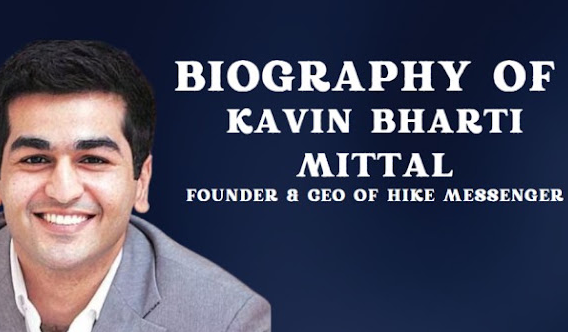
At 37, Kavin Bharti Mittal is still best known for a decision most people in his position would never have made. He could have simply stepped into his father’s telecom empire and lived comfortably in its shadow. Instead, he spent over a decade building, breaking, and rebuilding companies of his own — and along the way became one of India’s most talked-about young founders.
Growing Up in a Business Dynasty, Choosing a Different Road
Born on August 30, 1987, in New Delhi, Kavin is the son of Sunil Bharti Mittal, the man behind Airtel and a fortune now estimated around $34 billion. His mother, Nyna Mittal, chairs the Bharti Foundation, and his twin brother Shravin runs a venture capital firm in London. It’s the kind of family tree that opens every door imaginable — yet Kavin chose the harder path of starting from scratch.
His education hinted at where things were headed. After an engineering degree at the University of York, he picked up a master’s at Imperial College London, squeezing in internships at McLaren Racing, Goldman Sachs, and Google’s New York office. It was at Google that he first held an iPhone — and, by his own account, that single moment convinced him mobile technology was about to rewrite everyday life.
From AppSpark to Hike: Learning by Doing
At just 21, instead of job-hunting, Kavin launched AppSpark, cranking out eight apps in eight months. Most flopped, but one — a movie-ticket booking app made with movietickets.com — earned a spot among Apple’s top recommended apps. The real lesson wasn’t the win; it was realizing that building an app is easy, but building one people actually love is a different game entirely.
That lesson shaped his next move. In December 2012, he launched Hike Messenger, built specifically for Indian users — multilingual, sticker-heavy, and mindful of tight data plans. It worked spectacularly. By 2015, Hike had crossed 100 million users, and in 2016 it hit unicorn status at a $1.4 billion valuation, making Kavin the youngest Indian to build a billion-dollar company at just 28.
When the Giants Fought Back
Success didn’t last unchallenged. WhatsApp went free, Reliance Jio crashed data prices nationwide, and suddenly nobody needed a second messaging app. By 2019, Hike’s growth had stalled, pushing Kavin toward a bold pivot: he shut the messaging app down entirely and moved into gaming with Rush Gaming Universe, later adding blockchain features through a Polygon partnership.
Rush found real traction, pulling in roughly $500 million in gross revenue and 10 million users. But India’s tightening rules around real-money gaming — including a steep 28% GST — forced layoffs in 2023, and an outright ban in 2025 eventually shut the venture down for good.
Where He Stands Today
Heading into 2026, estimates place Kavin’s personal net worth somewhere between $150 and $200 million, built almost entirely on outside capital from investors like SoftBank, Tencent, and Tiger Global rather than family money. He keeps a notably low profile online, favoring the occasional long-form essay over constant social media noise — a fitting habit for someone who has always preferred building quietly over broadcasting loudly.
About the Author