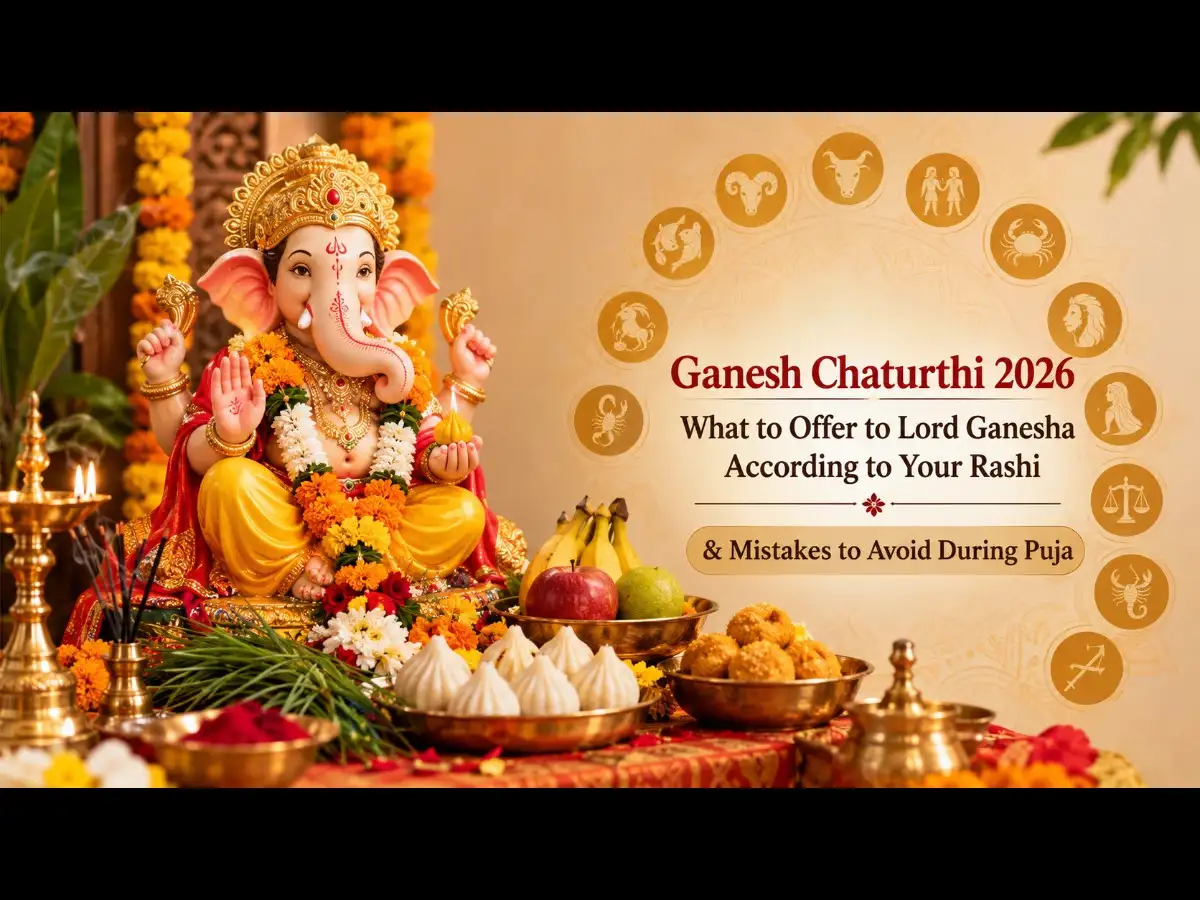

In the Hindu tradition, Lord Ganesha is worshipped at the commencement of various prayers, religious ceremonies, festivals, and significant events. Ganapati, Vighneswara, Vinayaka, and Ekadanta are among the other names used to address him. According to his followers’ beliefs, Lord Ganesha is revered as a remover of obstacles and is associated with intelligence and good beginnings. He is always remembered at the beginning of any spiritual endeavor.
Ganapathi Vandanam

The Ganapathi Vandanam is a prayer offered to Lord Ganesha. It is said that the devotee describes Ganesha in the prayer as one with a twisted trunk and a huge body radiating with the brightness of millions of suns. The prayer thus prays to Ganesha to remove all the difficulties preceding his tasks.
The fact that Hindus begin all their prayers with a prayer to Lord Ganesha reflects their tradition of seeking help and guidance from a religious source in their activities.
Vighneswara Dhyanam
The Vighneswara Dhyanam is used as a meditation-oriented prayer. It opens with a well-known invocation that depicts a god-like being clothed in white garments, shining brightly like the moon, with four arms and a peaceful facial expression. The meditation on the being is believed to be connected with overcoming obstacles and smoothing down disturbances.
The prayer also calls Ganesha by revealing images related to his elephant head and unique tusk. Such imagery makes it easier for devotees to visualize the object of the prayer while chanting.
Ganapati Dhyanam

Another important prayer is Ganapati Dhyanam, which pays respect to Ganesha by highlighting some of his divine features. The prayer acknowledges Ganesha in relation to Brahma, Vishnu, and Rudra and shows Ganesha having a divine reality.
The prayer refers to his form of an elephant, big belly, and taste for modaka– a sweet similar to that believed to belong to Ganesha. Such symbols signify different aspects of his worship and character traits. For instance, large-sized ears mean that this is a symbol of attention, while elephant-headed denotes strength and wisdom as seen in the case of Ganesha.
Lakshmi Ganesha Dhyanam
In Lakshmi Ganesha Dhyanam, the fortunate qualities connected with goddess Lakshmi and lord Ganesha are reflected. The prayer acknowledges Ganesha as the son of goddess Parvati, the elephant-headed deity, as well as the sign of the sacred syllable – Om.
This form of worship is normally associated with hope for prosperity, well-being, elimination of problems, as well as spiritual growth. The teachings of the Hindu religion present material prosperity and knowledge as interconnected instead of entirely separate goals.
Importance of Correct Chanting

Sanskrit prayers are traditionally treated in the form of sound-based spiritual activities. Their significance exceeds the literal image of words, as rhythm, pronunciation, tone, and repetition take an important place in chanting.
Since the sounds of Sanskrit cannot always be presented through the same sounds in English, the system of Roman letters is known for only providing the approximate representation of the language. Thus, a beginner should listen to a qualified speaker or a good recording, while gradually getting accustomed to original sounds.
Basic Transliteration Rules
Repeated vowels generally indicate that the sound should be held longer. For example, “aa,” “ee,” and “uu” represent extended vowel sounds. The combination “ai” is generally pronounced as a diphthong similar to the sound found in common English words such as “gait” or “fight.”
The letters “th” in Sanskrit transliteration should not automatically be pronounced like the English sound in “this.” It generally represents an aspirated t sound, closer to the pronunciation heard in words such as “think” when used as a simple learning approximation. A single “t” is pronounced with a clearer, unaspirated sound.
The Role of Devotion
Ultimately, chanting Ganapati prayers is more than simply repeating Sanskrit words. Devotees traditionally use these verses to cultivate concentration, express gratitude, and begin their activities with a peaceful and positive state of mind. Whether performed individually, during temple worship, or as part of a family ritual, Ganesha’s prayers continue to hold an important place in Hindu devotional practice.
About the Author