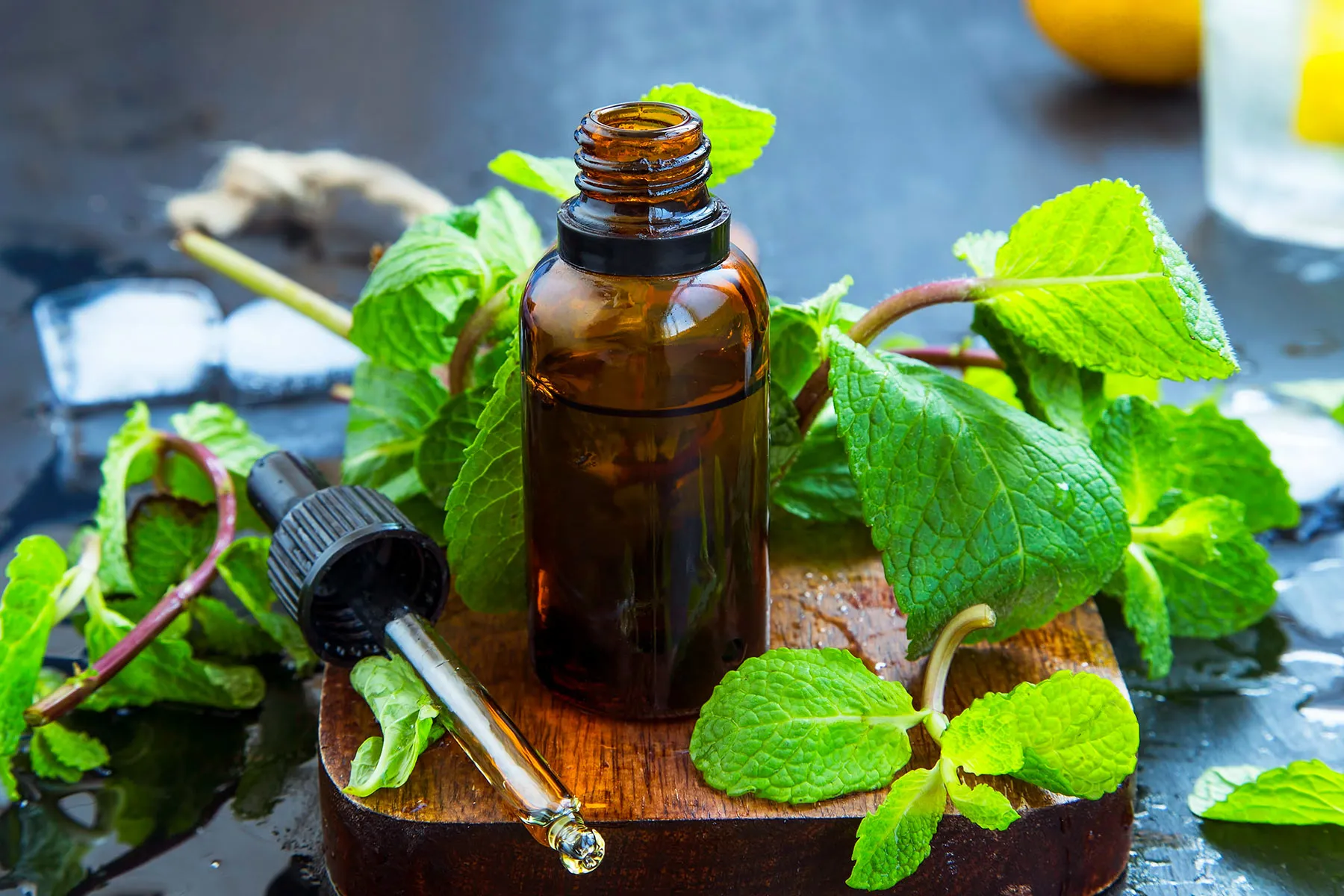

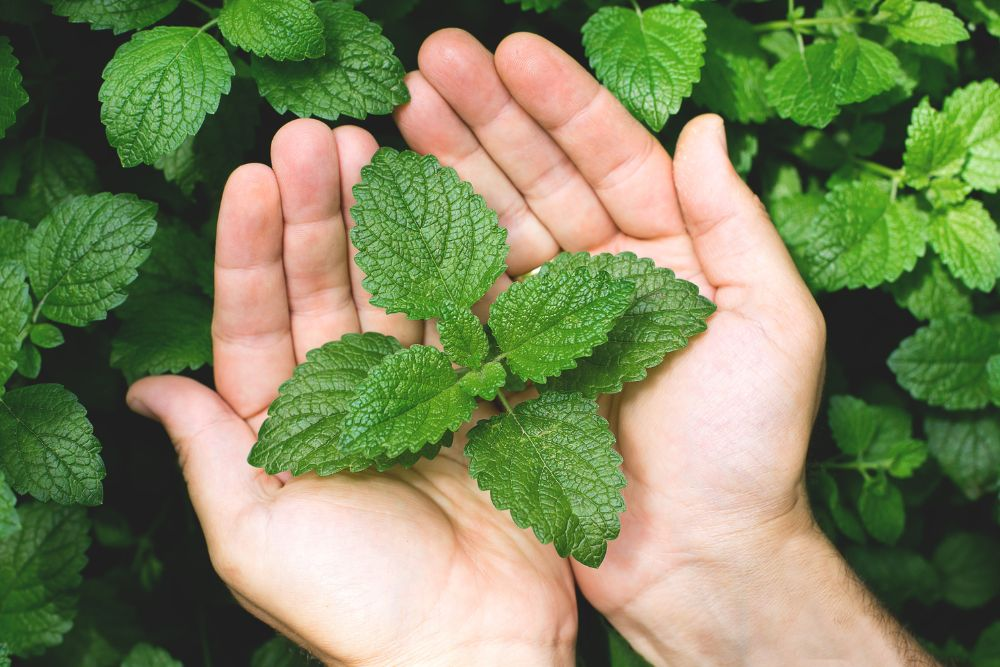
Mint leaves are aromatic herbs commonly used in Indian cuisine, beverages, chutneys and herbal preparations. They contain naturally occurring plant compounds such as menthol, flavonoids and phenolic compounds that contribute to their refreshing flavor and potential health benefits.
1. Supports Digestive Health
Mint has traditionally been used to support digestion. It may help relieve occasional bloating, gas and mild digestive discomfort.
2. May Help Relieve Indigestion
The natural compounds in mint may have a soothing effect on the digestive tract and can be useful as part of a meal or as a mild herbal tea after eating.
3. Provides Antioxidants
Mint contains antioxidant compounds that help protect cells from oxidative stress caused by free radicals. Including herbs such as mint in a varied diet can contribute to overall antioxidant intake.
4. Helps Freshen Breath
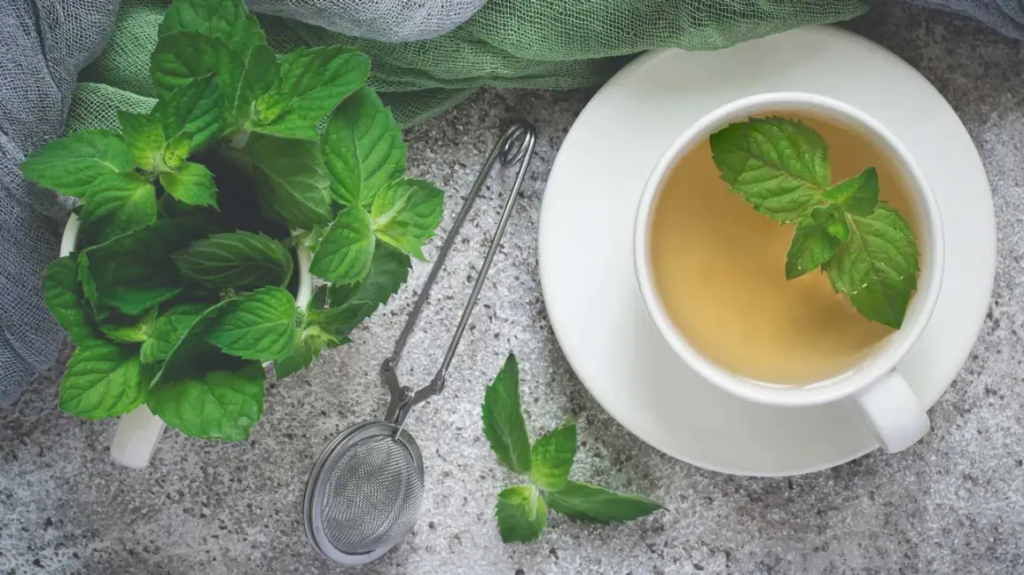
Mint’s strong aroma, particularly from menthol and other volatile compounds, makes it useful for naturally freshening the breath. Fresh mint leaves are commonly added to drinks, chutneys and mouth-freshening preparations.
5. May Help With Nausea
Peppermint preparations have been studied for their potential to reduce nausea. While much of the research involves peppermint oil rather than fresh mint leaves, mint tea is traditionally consumed for a soothing effect.
6. Supports Oral Health
Mint contains plant compounds with antimicrobial properties. Fresh mint can complement good oral-hygiene practices, although it should not replace brushing, flossing or professional dental care.
7. May Have Anti-Inflammatory Properties
Some compounds found in mint demonstrate antioxidant and anti-inflammatory activity in laboratory research. More human research is needed to determine the extent of these effects from consuming mint leaves.
8. Provides Small Amounts of Essential Nutrients
Although mint is usually consumed in small quantities, fresh leaves provide nutrients such as vitamin A, vitamin C, iron and manganese.
9. Adds Flavor Without Many Calories
Mint can add a strong, refreshing flavor to meals without significantly increasing calorie intake. It can be added to salads, raita, chutneys, soups, rice dishes and beverages.
10. May Support a Healthy Diet
Adding fresh mint to nutritious foods can make meals more flavorful and enjoyable. It can be particularly useful for adding freshness to dishes without relying heavily on extra salt, sugar or rich sauces.
How to Include Mint Leaves in Your Diet
You can easily add mint to your daily meals through:
- Fresh mint chutney
- Mint raita
- Salads
- Herbal mint tea
- Lemon and mint water
- Smoothies
- Soups
- Rice and vegetable dishes
- Homemade sauces and dips
Precautions
Mint is generally safe when consumed as a food in normal amounts. However, peppermint may worsen heartburn or acid reflux in some people. The evidence for medicinal effects is also stronger for concentrated peppermint preparations than for ordinary fresh mint leaves.
Bottom Line
Mint leaves are a flavorful, low-calorie herb that can contribute antioxidants and small amounts of essential nutrients to the diet. They may support digestion, freshen breath and add nutritional variety to meals. For the best results, use mint as part of a balanced diet rather than relying on it as a treatment for a health condition.
Also read: https://amzn.to/4wpxv1h
About the Author