

Uric acid is a waste product formed when the body breaks down substances called purines. It normally dissolves in the blood, passes through the kidneys and leaves the body in urine. If the body makes too much uric acid or removes too little, levels can rise—a condition known as hyperuricemia.
High uric acid does not always cause symptoms. But in some people, uric acid can form needle-like crystals in a joint, leading to gout, a painful type of inflammatory arthritis.
Also Read: Know About The Health Benefits of Chamomile Tea In 2026
Main Causes of High Uric Acid
Uric acid levels rise when the body produces too much uric acid, the kidneys remove too little, or both. Contributing factors can include:
- Kidney problems, which can reduce uric acid removal.
- Family history and genetics, which can affect how the body handles uric acid.
- Certain medicines, including diuretics (“water pills”) and some immune-suppressing drugs. Do not stop prescribed medicine without medical advice.
- Health conditions, such as obesity, high blood pressure, metabolic syndrome and some blood disorders.
- Diet and alcohol: frequent intake of organ meats, some seafood, red meat, alcohol—especially beer and spirits—and sugary drinks can increase risk.
High uric acid is not always caused by diet, and having a high blood-test result does not automatically mean a person has gout.
Symptoms to Watch For
High uric acid itself often causes no symptoms. Symptoms appear if it leads to problems such as gout or kidney stones.
Gout may cause:
- Sudden, intense pain in a joint, often the big toe, ankle or knee.
- Swelling, redness, warmth and tenderness.
- Attacks that may begin suddenly, sometimes at night, and then improve before returning later.
Kidney stones may cause severe pain in the side or back, blood in the urine, nausea, or pain while urinating. These symptoms need medical assessment.
Prevention and Everyday Habits
Lifestyle changes may help reduce gout risk or flares, though they may not be enough on their own for everyone.
- Drink adequate fluids unless a clinician has advised you to restrict fluids.
- Aim for a balanced diet. Limit frequent servings of organ meats, red meat and certain seafood; reduce sugary drinks and excessive alcohol.
- Maintain a healthy weight, if needed. Avoid crash diets.
- Stay physically active and build activity gradually.
- Manage related conditions, including high blood pressure, diabetes and kidney disease, with medical guidance.
- Review medicines with your clinician if you have high uric acid or gout. Never stop a prescribed medicine on your own.
There is no single food or home remedy that reliably prevents gout. A healthy, balanced diet is recommended, but people with recurrent gout may need prescribed uric-acid-lowering treatment.
When to Seek Medical Advice
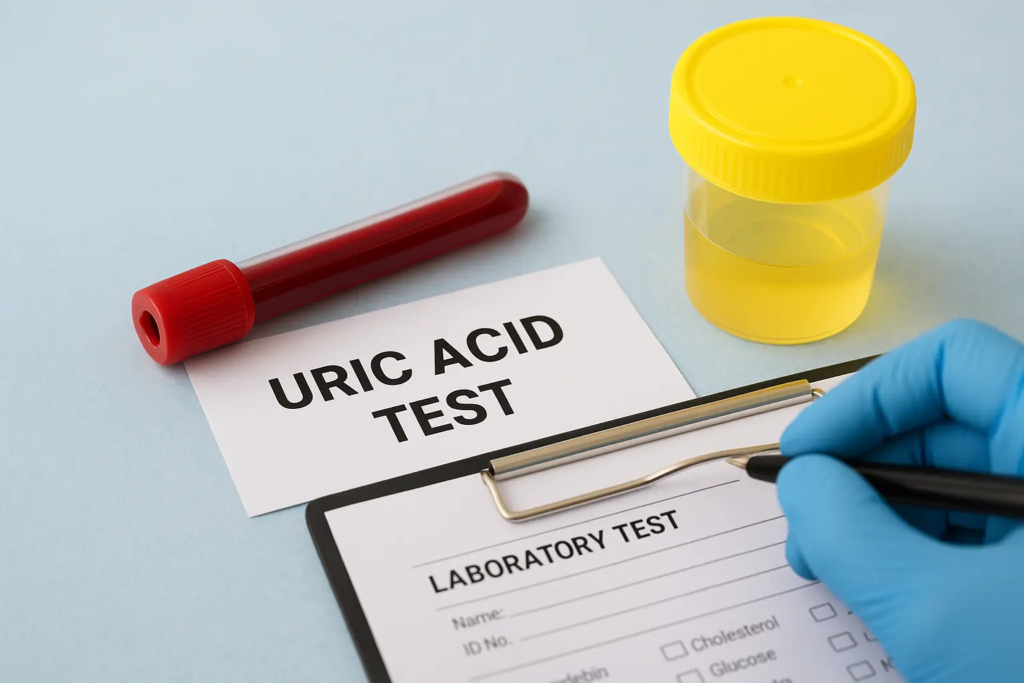
Arrange a medical appointment if you have a first episode of sudden joint pain or swelling, repeated attacks, or a test showing high uric acid. A clinician can assess the cause and decide whether treatment is needed.
Seek urgent care for a hot, swollen joint accompanied by fever, chills or feeling very unwell, because a joint infection can resemble gout.
Also Read: Know About The Health Benefits of Sweet Corn In 2026
Conclusion
High uric acid occurs when the body makes too much uric acid or cannot remove enough. It may cause no symptoms, but in some people it contributes to gout or kidney stones. Healthy habits can help reduce risk, while persistent or symptomatic problems may require medical evaluation and treatment.
This article is for general information only and is not a substitute for medical advice.
About the Author