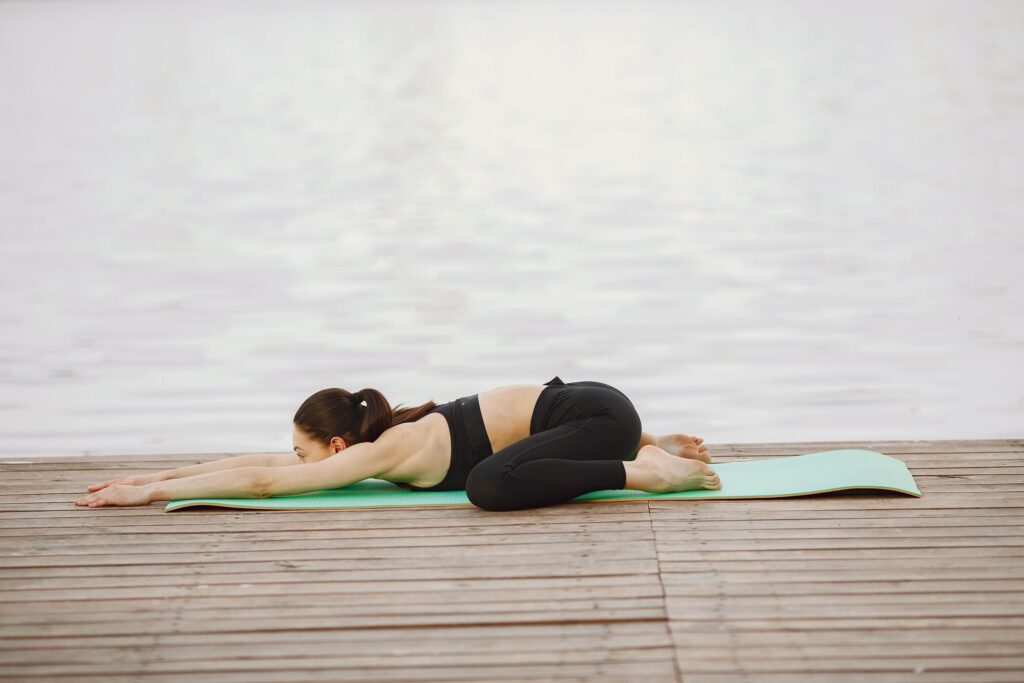

Mandukasana, also known as the Frog Pose, is a basic yoga asana which features a knee-down position in which the body folds into a controlled structure. It is a common element in yoga practices which, in turn, improve flexibility, mobility and body awareness. When done right, the pose provides a gentle stretch for many body areas.
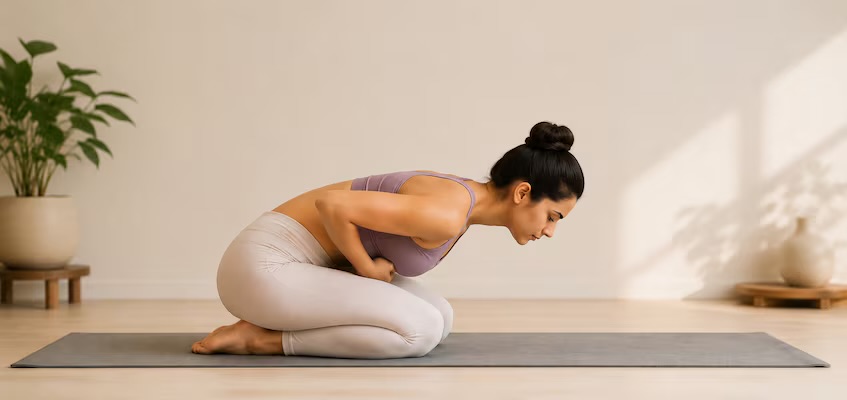
Overview of Mandukasana
In Sanskrit, the word “Manduka” means frog. In practice, Mandukasana is a traditional yoga pose that, at the same time, is put forth with hip, knee, ankle and abdominal work. As is the case with other yoga postures, its benefits may present differently based on a person’s flexibility, technique and health.
Mandukasana should be done slowly and without pain. It is best to consider this a supplementary exercise rather than a cure for a health issue.
Top 10 Health Benefits of Mandukasana
May Increase Range of Motion.
Through consistent practice, you may see improvement in flexibility of the hips, thighs and lower body. Also, greater flexibility improves comfort in everyday movement.
Improves hip mobility.
In terms of posture, the lower body is placed in a way which may gently stretch hip mobility. Practising within what is comfortable will help to maintain functional movement.
Activates the Core.
Depending on the pose and approach used, in Mandukasana you will notice a focus on the placement of the torso and abdominal area. This practice also brings about better body awareness and core engagement.
Support for Digestion.
In the past, it has been thought that yoga postures which target the abdominal area improve digestive function. Also, I would note that Mandukasana does not provide a cure for digestive disorders.
Improves body awareness.
Maintaining a yoga pose is about your breath, alignment and movement, which in turn may help practitioners to become aware of their body’s feelings during exercise.
May reduce muscle tension.
Gentle stretching, which in turn may help to reduce that tightness in your hip and lower body muscles. Also, it is important that the posture be done without sharp or uncomfortable pain.
Supports bodily relaxation.
A combination of controlled movement and slow breathing, which is a method of relaxation. In many health programs, we see yoga included as a practice which improves physical and mental health.
May improve lower body mobility.
Regularly, with some modifications as you go, which in turn helps to maintain hip, knee and ankle mobility. Also, mobility improvements do best when put together with other types of exercise.
Promotes Mindful Breathing.
Performing a yoga pose at the same time as you pay attention to your breath may improve concentration and mindfulness, which is why we may put Mandukasana in a more extensive yoga practice.
Enhances Active Lifestyle.
Mandukasana may be added to your routine, which already includes walking, strength training, stretching and other physical activities. It is to support and enhance your well-rounded exercise program instead of taking the place of it.
How to Perform Mandukasana
Begin in a comfortable kneeling position.
Sit in a half sit and maintain a straight spine.
Place your hand or fist as is appropriate for the variation being practised.
Move slowly into the stretch and breathe evenly.
Hold in the range of what is comfortable.
Breathe normally and return to the start.
A trained yoga teacher can see to it that the proper alignment and variation are achieved.
Precautions and Possible Side Effects
Mandukasana may not be appropriate for some. We advise that people with knee, hip, ankle or back injuries get a professional opinion before trying it out. Also, if you experience pain, dizziness or any unusual discomfort, you should stop the practice.
Beginners should stay away from forcing the joints or holding a pose for too long. Also, if you are pregnant or are recovering from surgery or major injury, it is best to check with your health care provider before trying out new yoga postures.
Conclusion
Mandukasana is an excellent element to include in a well-rounded yoga practice, which in turn is great for improving flexibility, mobility, controlled breathing and body awareness. What we see out of it varies from person to person, and what is most important is consistent practice with the right technique instead of forcing yourself into a more advanced pose. It is to be put forth as a health and wellness exercise which does not claim to be a remedy for any disease.
FAQs on Mandukasana
What is Mandukasana?
Mandukasana is a classic yoga pose which is named after the Sanskrit word “Manduka”, which means frog.
What do we get out of doing Mandukasana?
It is for flexibility, hip mobility, lower body movement, relaxation and body awareness when practised correctly.
Can beginners practise Mandukasana?
Yes, I would say that beginners can do it with some changes and guidance. Also, the posture should never be pushed beyond what is comfortable.
Can Mandukasana cure diabetes?
There is insufficient evidence that Mandukasana is a diabetes cure. It is recommended that diabetics continue with their prescribed treatment and consult health care professionals before changing their exercise routine.
Who should avoid Mandukasana?
People who have issues with their knees, hips, ankles, or back should get professional advice before trying the posture.
Disclaimer: This article serves as an educational resource but is not a substitute for professional medical advice, diagnosis or treatment. See a qualified health care provider or experienced yoga instructor if you have an existing health issue, injury or question on what which poses are right for you.
About the Author