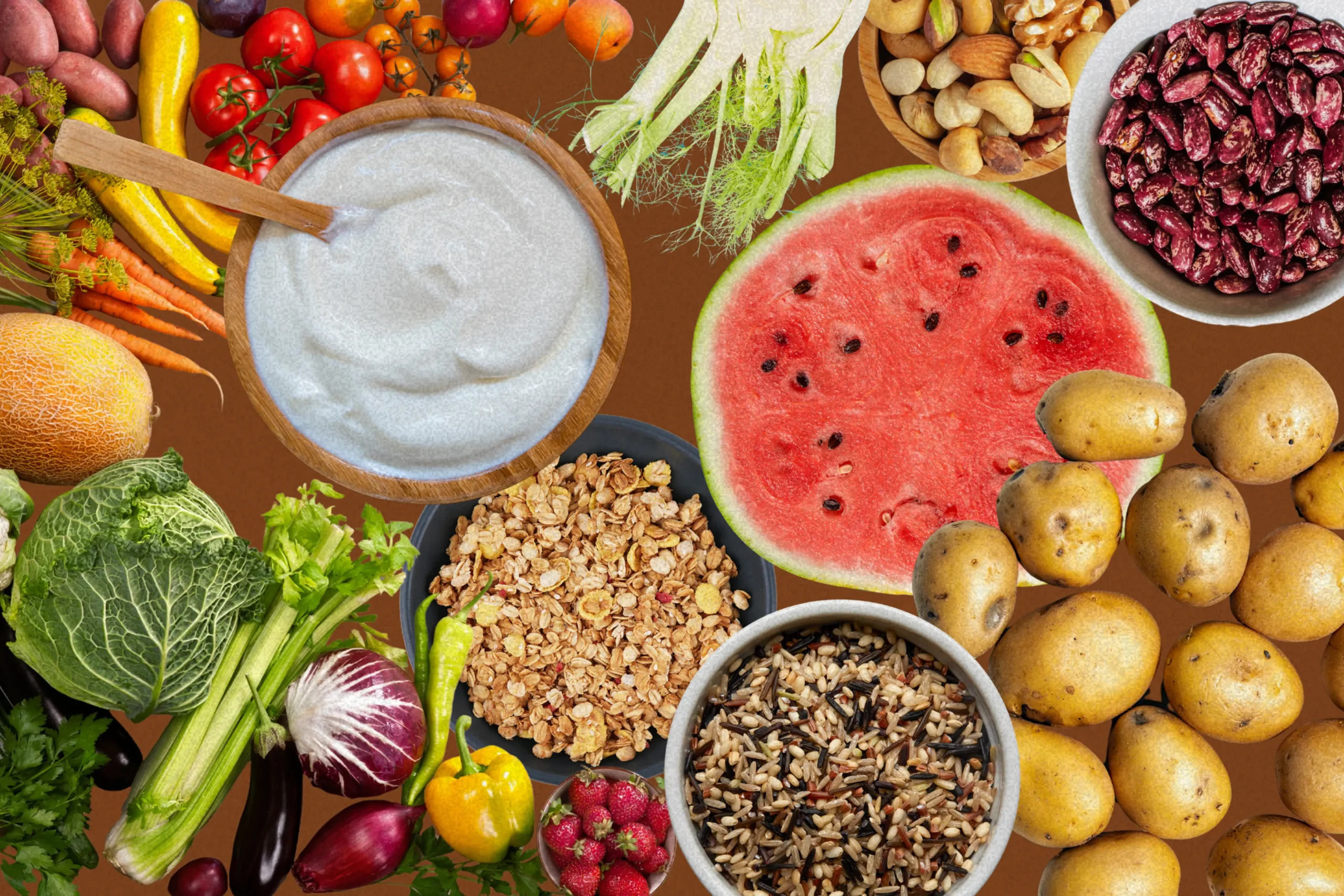

High blood pressure, or hypertension, is a common health condition that can increase the risk of heart disease, stroke and kidney problems. Along with physical activity, maintaining a healthy weight and taking prescribed medicines when needed, dietary choices can play an important role in managing blood pressure.
One of the most studied eating patterns for blood pressure management is the DASH (Dietary Approaches to Stop Hypertension) diet. It emphasises vegetables, fruits, whole grains, beans, nuts, seeds, low-fat dairy products and lean protein while limiting sodium, processed foods and foods high in saturated fat.
Also Read: Know About Hair Growth Diet In 2026
1. Leafy Green Vegetables
Spinach, kale, fenugreek leaves and other leafy greens provide potassium and other nutrients. Potassium can help counter some of the effects of sodium and support healthy blood pressure.
Including leafy vegetables regularly in meals can be an easy way to increase vegetable intake without adding excessive calories.
2. Bananas and Other Fruits
Bananas are well known for their potassium content, while oranges, guava, papaya, apples and other fruits provide combinations of potassium, fibre and antioxidants.
Whole fruits are generally preferable to fruit juices because they retain their natural fibre and are less concentrated in sugar.
3. Beetroot
Beetroot contains naturally occurring nitrates that can contribute to the production of nitric oxide, which helps blood vessels relax. Research suggests that beetroot and nitrate-rich foods may have a modest blood-pressure-lowering effect in some people.
It should, however, be considered part of an overall healthy diet rather than a treatment for hypertension.
4. Oats and Other Whole Grains
Oats, brown rice, whole-wheat products and other whole grains provide fibre and other nutrients. Replacing refined grains with whole grains can support an overall heart-healthy eating pattern.
5. Beans and Lentils
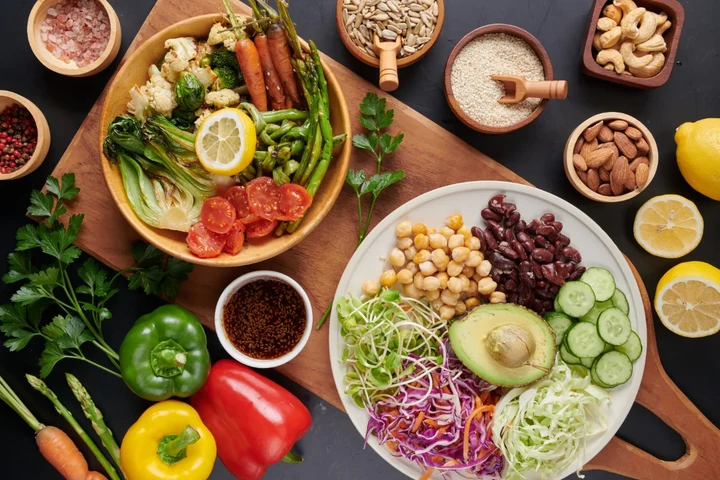
Lentils, chickpeas, kidney beans and other legumes provide plant protein, fibre, potassium and magnesium. They can be useful alternatives to some processed or high-sodium foods.
When using canned beans, rinsing them can help remove some of the added sodium.
6. Nuts and Seeds
Unsalted almonds, walnuts, pistachios, flaxseeds and chia seeds provide healthy fats, minerals and fibre. Because nuts are calorie-dense, moderate portions are preferable.
Choose unsalted varieties to avoid unnecessarily increasing sodium intake.
7. Low-Fat Dairy Products
Plain yoghurt and low-fat milk provide calcium and protein and can fit into a DASH-style eating pattern. Choose unsweetened options where possible and check labels for added sodium.
8. Fatty Fish
Salmon, sardines and other oily fish provide omega-3 fatty acids. Including fish as part of a balanced diet can support cardiovascular health.
Foods to Limit
Reducing sodium is particularly important for people with high blood pressure. Limit foods such as packaged snacks, instant noodles, processed meats, pickles, salty sauces and heavily processed ready-to-eat meals.
Excessive alcohol consumption and frequent intake of sugary drinks can also work against cardiovascular health.
Also Read: Faiz Baloch Bio Age, Height, Career, Family, In 2026
Conclusion
A blood-pressure-friendly diet does not depend on one “miracle” food. A combination of vegetables, fruits, whole grains, legumes, nuts, seeds, low-fat dairy and fish, together with lower sodium intake, can support healthier blood pressure.
People with diagnosed hypertension should continue prescribed treatment and monitor their blood pressure regularly. Dietary changes should complement—not replace—medical care.
This article is for general information only and is not a substitute for medical advice.
About the Author