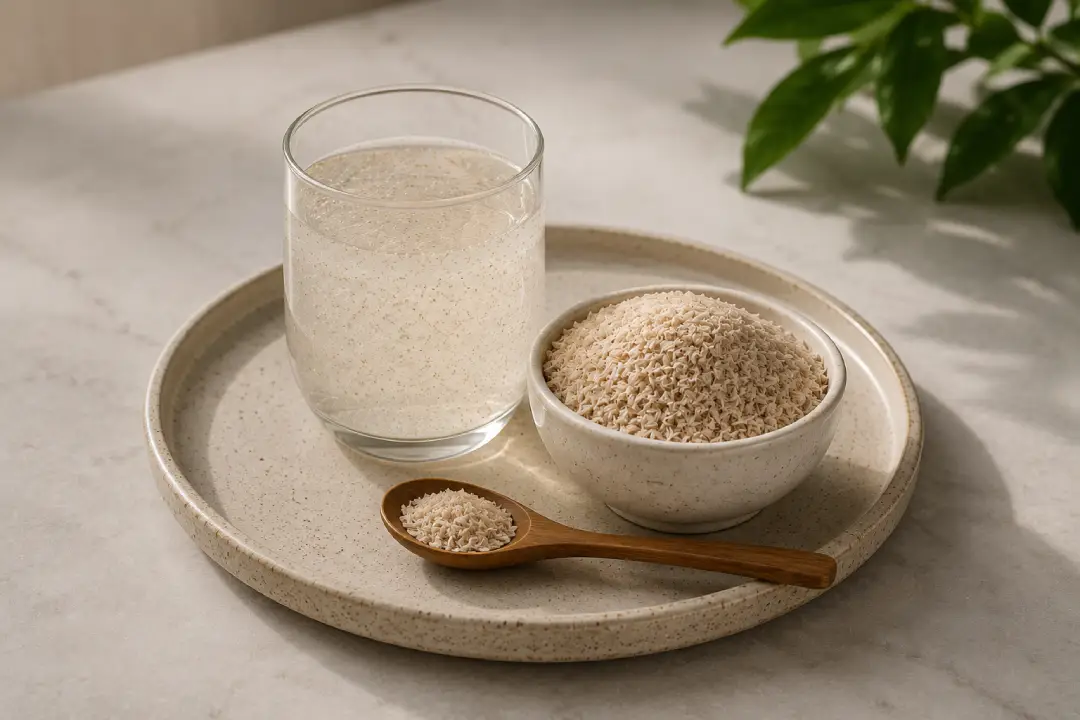

Isabgol, commonly known as psyllium husk, is a soluble fibre obtained from the seeds of Plantago ovata. It is widely used in India as a fibre supplement, particularly for supporting bowel regularity. When mixed with water, psyllium absorbs liquid and forms a gel-like substance that moves through the digestive tract.
Because of its high fibre content, Isabgol can be useful for digestive health and may also support cholesterol and blood-sugar management when incorporated into an appropriate diet.
Also Read: Know About Hair Growth Diet In 2026
1. Helps Relieve Constipation
One of the best-established uses of psyllium is improving bowel regularity. Its soluble fibre absorbs water and increases stool bulk, which can make stools softer and easier to pass.
It is important to drink sufficient water when taking Isabgol. Taking fibre without enough fluid can worsen constipation and, in some circumstances, cause blockage.
2. May Help Manage Diarrhoea
Although Isabgol is commonly associated with constipation, its ability to absorb water can also help increase stool consistency. Some healthcare professionals may recommend soluble fibre in selected cases of diarrhoea.
However, persistent or severe diarrhoea should not simply be treated with fibre at home because infections and other medical conditions may require specific treatment.
3. May Support Healthy Cholesterol Levels
Psyllium’s soluble fibre can interfere with the absorption of some dietary cholesterol and bile acids in the digestive tract. Regular intake may therefore produce a modest reduction in LDL (“bad”) cholesterol when combined with a heart-healthy diet.
People taking cholesterol medication should continue their prescribed treatment unless their healthcare professional advises otherwise.
4. May Help With Blood Sugar Control
Soluble fibre can slow digestion and the absorption of carbohydrates, potentially reducing the rise in blood glucose after meals. Psyllium may therefore be useful as part of a diabetes-friendly eating pattern.
People taking diabetes medication should discuss regular psyllium use with their healthcare professional because dietary changes can sometimes affect glucose levels.
5. Can Support a Feeling of Fullness
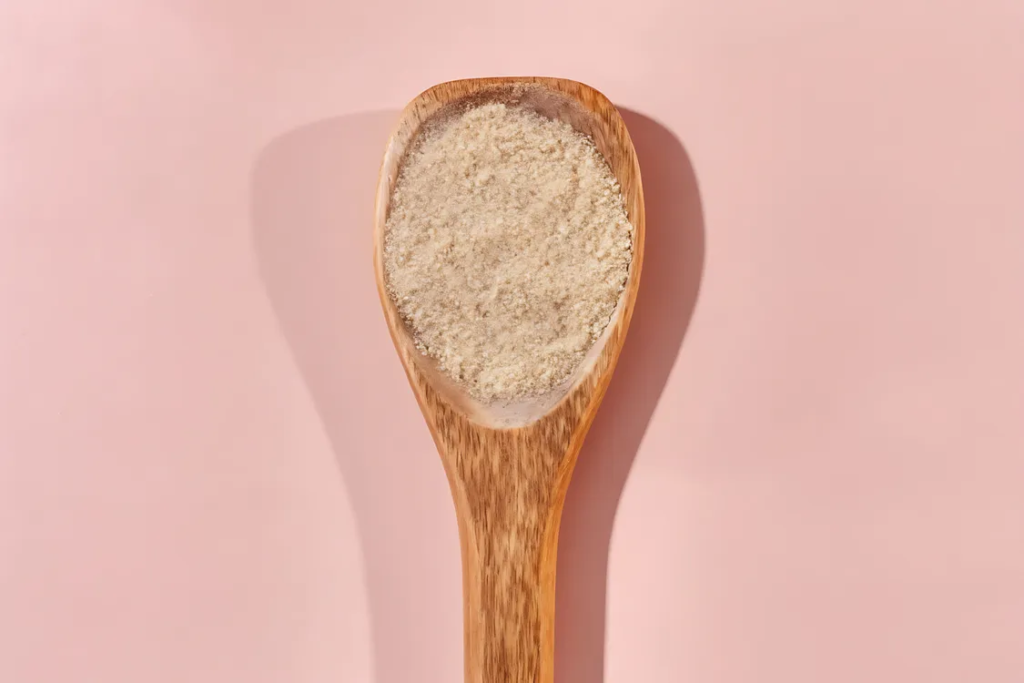
Because psyllium absorbs water and expands in the digestive tract, it may increase feelings of fullness. This can potentially help with appetite management when combined with a balanced diet.
Isabgol should not be considered a weight-loss treatment on its own.
6. Supports Overall Fibre Intake
Many people do not consume enough dietary fibre. Isabgol can provide soluble fibre and may be useful when obtaining sufficient fibre from foods alone is difficult.
Whenever possible, however, fibre should also come from vegetables, fruits, whole grains, beans, lentils, nuts and seeds.
Possible Side Effects
Isabgol is generally well tolerated when taken correctly, but some people may experience:
- Gas or bloating
- Abdominal discomfort
- Changes in bowel movements
- Difficulty swallowing if taken without enough liquid
Never swallow psyllium dry. Mix it with adequate liquid and consume it promptly.
Psyllium can also affect the absorption of some oral medicines. If you take regular medication, ask a doctor or pharmacist about appropriate timing.
Also Read: Faiz Baloch Bio Age, Height, Career, Family, In 2026
Conclusion
Isabgol is a useful source of soluble fibre with well-established benefits for bowel regularity and potential benefits for cholesterol and blood-sugar management. Proper hydration is essential when taking it. Start gradually if your diet is low in fibre, and seek medical advice if constipation, diarrhoea or abdominal symptoms persist.
About the Author