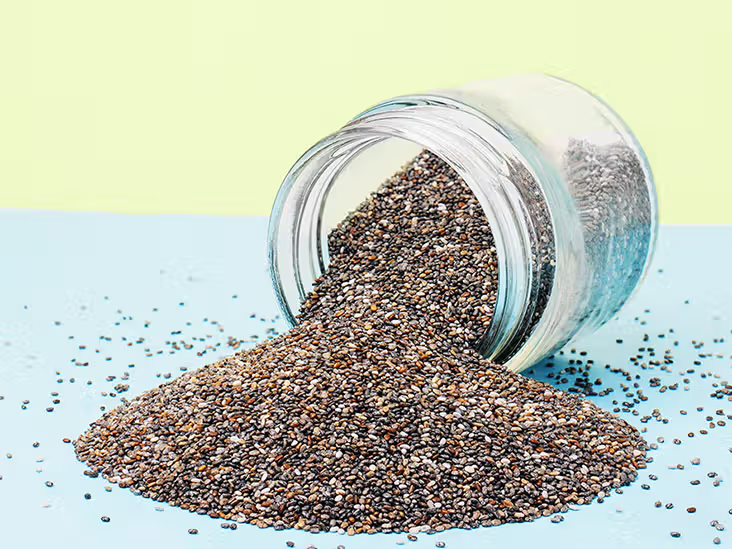

Chia seeds have become increasingly popular as a nutritious addition to smoothies, yogurt, oatmeal, puddings and other everyday foods. These tiny black or white seeds come from Salvia hispanica, a flowering plant native to Mexico and Guatemala.
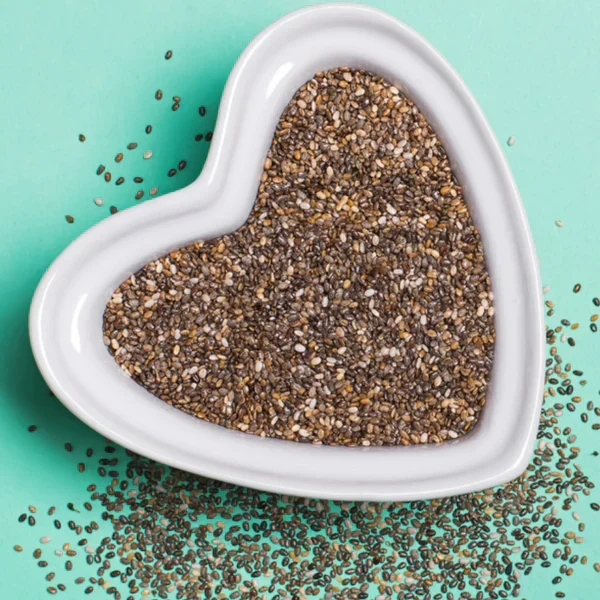
Chia seeds are particularly notable for their dietary fiber, plant-based omega-3 fatty acids, protein, minerals and antioxidant compounds. Two tablespoons, or about 28 grams, provide roughly 140 calories, 4 grams of protein, 11 grams of fiber and 7 grams of unsaturated fat.
While chia seeds can contribute to a healthy diet, they are not a magic “superfood.” Their potential benefits are best understood as part of an overall balanced eating pattern.
What Are Chia Seeds?
Chia seeds are the edible seeds of Salvia hispanica, a plant belonging to the mint family. They have been consumed in parts of Mexico and Central America for centuries.
When exposed to liquid, chia seeds absorb water and develop a gel-like coating because of their soluble fiber and mucilage. This makes them popular for chia pudding and as an ingredient in smoothies and other foods.
Nutritional Value of Chia Seeds
Approximately 28 grams, or two tablespoons, of chia seeds provide:
- Around 140 calories
- About 11 grams of dietary fiber
- Around 4 grams of protein
- Approximately 7 grams of unsaturated fat
- Plant-based omega-3 fatty acids in the form of ALA
- Calcium
- Magnesium
- Phosphorus
- Zinc
- Iron
- B vitamins
- Antioxidant plant compounds
Chia is also considered a complete plant protein because it contains all nine essential amino acids, although the total protein contribution from a typical serving is modest.
1. Supports Digestive Health
One of the biggest nutritional advantages of chia seeds is their high fiber content. A 28-gram serving can provide around 11 grams of fiber.
Fiber contributes to normal bowel function and can help support regularity. The soluble fiber in chia also forms a gel when mixed with liquid, while its other fibers add bulk to stool.
Increasing fiber gradually and drinking enough fluids can help reduce digestive discomfort.
2. May Help With Constipation
Because chia seeds are rich in fiber and absorb water, they can contribute to softer, bulkier stools and may help support bowel regularity.
However, suddenly consuming large amounts of chia without enough fluid may have the opposite effect and cause constipation, bloating or gas.
For people who are not accustomed to high-fiber foods, starting with a smaller amount and gradually increasing intake is generally more comfortable.
3. Provides Plant-Based Omega-3 Fatty Acids
Chia seeds are an excellent plant source of alpha-linolenic acid (ALA), an omega-3 fatty acid.
ALA is an essential fatty acid, meaning the body needs to obtain it from food. Chia can therefore be useful for people looking to include more plant-based sources of omega-3 fats in their diet.
It is important to note that ALA is different from the EPA and DHA omega-3s found primarily in fatty fish and some algae-based supplements.
4. May Support Heart Health
Chia seeds contain fiber, unsaturated fats and ALA, all of which are components of a heart-healthy dietary pattern.
Research has investigated whether chia specifically improves cholesterol, blood pressure, triglycerides and other cardiovascular risk factors. However, controlled human studies have not consistently demonstrated significant benefits from chia seeds alone.
Therefore, chia seeds are best viewed as one nutritious component of a heart-conscious diet rather than a treatment for cardiovascular disease.
5. May Help Promote Fullness
The combination of fiber, protein and healthy fats in chia seeds can contribute to feelings of fullness.
Because chia absorbs liquid and expands into a gel, it can add volume and texture to foods. This may make meals or snacks more satisfying.
However, chia seeds do not automatically cause weight loss. Overall calorie intake, dietary pattern, physical activity and other lifestyle factors remain important.
6. Provides Antioxidants
Chia seeds contain several antioxidant compounds, including polyphenols and other plant compounds.
Antioxidants help protect cells from oxidative damage. Including a variety of plant foods in the diet is a practical way to obtain different types of antioxidant compounds.
7. Supports Bone Health
Chia seeds provide several minerals involved in maintaining healthy bones, including calcium, phosphorus and magnesium.
A 28-gram serving provides a meaningful amount of calcium and phosphorus along with magnesium.
However, bone health depends on overall nutrient intake, physical activity, hormones and other factors rather than any single food.
8. Provides Plant-Based Protein
Chia seeds contain around 4–5 grams of protein per 28-gram serving.
They contain all nine essential amino acids, making chia a complete protein source. However, because a normal serving is relatively small, chia is better considered a protein contributor rather than a primary protein source.
Combining chia with foods such as yogurt, milk, soy products, lentils, beans or other protein-rich foods can create a more protein-rich meal.
9. May Support Healthy Blood Sugar Management
The fiber in chia seeds can slow digestion and carbohydrate absorption. This may influence the rise in blood glucose after eating.
Research has examined chia’s potential effects on blood sugar and diabetes-related risk factors, but results have not consistently shown that chia alone produces major improvements.
People with diabetes can generally incorporate chia into a balanced diet, but it should not replace prescribed medication or individualized dietary advice.
10. Provides Important Minerals
Chia seeds are nutrient-dense and provide several minerals, including:
- Magnesium
- Calcium
- Phosphorus
- Zinc
- Iron
These nutrients contribute to numerous normal body functions, including muscle and nerve function, bone maintenance and energy metabolism.
Chia Seeds and Weight Loss
Chia seeds are often promoted as a weight-loss food because of their high fiber content.
Fiber can increase satiety and may help people feel fuller for longer. However, studies have not established chia seeds as a standalone weight-loss treatment.
Chia seeds are also calorie-dense compared with many fruits and vegetables, so portion size still matters.
How Much Chia Seeds Should You Eat?
A commonly used serving is around 1–2 tablespoons per day. Cleveland Clinic notes that people new to high-fiber foods may want to begin with about one tablespoon and gradually increase the amount as tolerated.
The ideal amount can vary according to the rest of the diet and individual digestive tolerance.
Best Ways to Eat Chia Seeds
Chia seeds are easy to incorporate into everyday meals. Some options include:
- Chia pudding
- Smoothies
- Yogurt
- Oatmeal
- Breakfast bowls
- Homemade energy bites
- Salads
- Soups
- Whole-grain cereals
- Homemade baked foods
Because chia seeds absorb substantial amounts of liquid, adding them to moist foods or soaking them beforehand can make them easier to consume.
Should You Drink Chia Seed Water?
Chia seed water has become popular as a wellness trend. Chia seeds themselves are nutritious, but there is no strong evidence that drinking chia water provides unique benefits that cannot be obtained by incorporating chia into ordinary foods.
The important nutritional component is the seed itself, particularly its fiber, protein, fats and minerals.
Can You Eat Chia Seeds Dry?
It is better to consume chia seeds with sufficient liquid or mixed into moist foods rather than swallowing large amounts of dry seeds followed by water.
Chia seeds can rapidly absorb liquid and expand. There has been a documented case of dry chia seeds causing an esophageal blockage, and people with swallowing difficulties need to be particularly cautious.
Possible Side Effects of Chia Seeds
Chia seeds are generally well tolerated when consumed in reasonable amounts, but eating too much too quickly can cause:
- Bloating
- Gas
- Constipation
- Abdominal discomfort
- Digestive changes
These effects are more likely when fiber intake is increased suddenly or when fluid intake is inadequate.
People with swallowing difficulties should take additional precautions because dry chia seeds can expand after absorbing liquid.
Frequently Asked Questions
Are chia seeds good for daily consumption?
Chia seeds can be included regularly in a balanced diet. A typical serving is around 1–2 tablespoons, depending on individual dietary needs and tolerance.
Do chia seeds help with weight loss?
Their fiber and protein content may contribute to fullness, but chia seeds alone have not been established as a weight-loss treatment.
Are chia seeds good for digestion?
Yes. Their high fiber content can support bowel regularity and digestive health. Adequate fluid intake is important when consuming high-fiber foods.
Are chia seeds a good source of omega-3?
Yes. Chia seeds are particularly rich in the plant-based omega-3 fatty acid ALA. They do not provide the same EPA and DHA profile as fatty fish.
Should chia seeds be soaked before eating?
Soaking is not always necessary when chia is mixed into moist foods, but soaking can make the seeds easier to consume. Avoid swallowing large quantities of dry chia seeds on their own.
Can people with diabetes eat chia seeds?
Chia can be part of a balanced diet for people with diabetes because it provides fiber and relatively little digestible carbohydrate per serving. However, it should not replace diabetes medication or individualized medical advice.
Final Thoughts
Chia seeds are small but nutrient-dense foods that provide fiber, plant-based omega-3 ALA, protein, calcium, magnesium, phosphorus and antioxidant compounds. Their high fiber content makes them particularly useful for supporting digestive health and adding satiety to meals.
However, claims that chia seeds independently prevent disease, produce significant weight loss or dramatically control blood sugar should be viewed cautiously. Research on chia-specific health outcomes in humans remains mixed.
In 2026, the most practical approach is to use chia seeds as one nutritious component of a varied diet—adding them to yogurt, oatmeal, smoothies, puddings or other balanced meals while maintaining appropriate portions and adequate fluid intake.
Also check: http://external link for this week –
About the Author