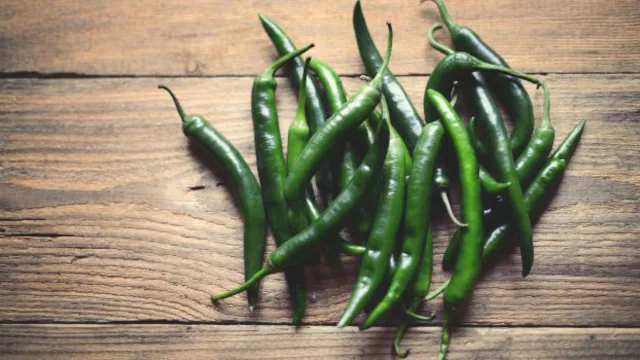

Hari mirch, the common name for green chilli, is a common culinary spice used in Indian cuisine. The spicy ingredient can be added to curries, chutneys, dals, and snack foods. Besides their spicy characteristic, green chillies are sources of many vitamins, antioxidants, and minerals, including vitamin C, vitamin A, vitamin K, and capsaicin, which provides the spiciness.
Moderate consumption of the spices within a balanced diet can be beneficial in many ways.
Nutritional Value of Green Chilli
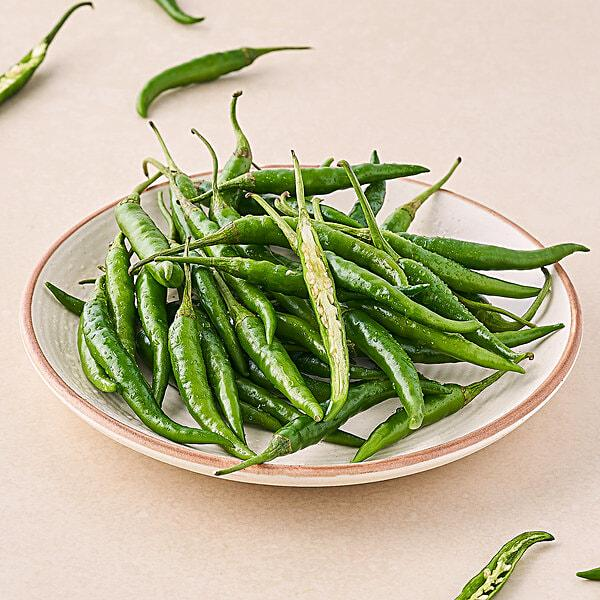
Green chillies are naturally calorie-free and rich in micronutrients. Vitamin C is one of the main nutrients provided by the spices, although the levels of vitamin C vary with the type of chillies and cultivation process.
The spices contain other micronutrients such as carotenoids, potassium, and some iron and other minerals. Capsaicin is one of the main active components in the spices.
1. Rich in Vitamin C
One of the significant nutritional benefits associated with green chilli is the provision of vitamin C. Vitamin C is a powerful antioxidant and is involved in the maintenance of healthy immunity.
Moreover, it enhances the uptake of non-heme iron, which is present in plant-based foods. Green chilli consumption along with dal, beans and leafy vegetables will help you to make your iron-rich diet even better.
2. Contains Antioxidants
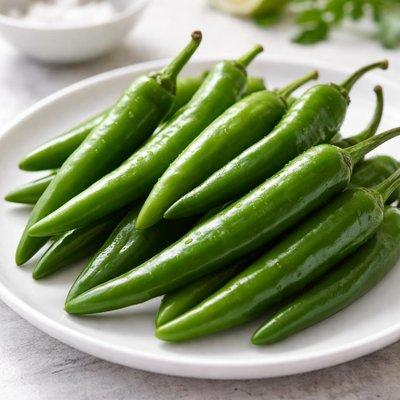
Green chillies have vitamin C, carotenoids and other natural antioxidants. Antioxidants are responsible for preventing cell damage due to oxidative stress caused by free radicals.
Instead of taking chillies only, you should include them in your diet together with various vegetables, fruits, pulses, nuts and whole grains to get more antioxidants.
3. Enhances Metabolism
Capsaicin increases the metabolism rate and thermogenesis – the process of heat production by the body. It has been proven that it increases energy expenditure.
Capsaicin affects appetite in some people, but this effect is insignificant. So, do not treat green chilli consumption as the way to reduce your weight quickly.
4. Supports Eye Health

Green chilli contains carotenoids that are precursors of vitamin A and support normal vision.
Vitamin A is especially important for maintaining tissues associated with the process of vision. Nevertheless, there is a need to take into consideration a wider range of vitamins and minerals in order to have good vision; thus, green chilli should be regarded as an integral component of a balanced diet.
5. Could Promote Cardiovascular Well-Being
Capsaicin can be used as a substance that has a positive effect on the cardiovascular system. Green chillies have a beneficial effect due to their antioxidant properties and the presence of potassium.
This means that they are perfect for a heart-friendly diet, especially if they are used to add flavour to vegetables, beans and other less processed products.
Green chilli does not act as a remedy against hypercholesterolaemia, hypertension or any cardiovascular disease.
6. May Support Digestion

Green chilli may induce sensations in the digestive tract, while the vegetable contains some fibre.
There are individuals who eat spicy food, and they consider that it brings taste to their meals, but there are other individuals who develop heartburn, stomachache or diarrhoea after eating spicy food.
As such, the effects of green chilli on digestion may be quite variable among different individuals.
7. Capsaicin and Pain
Capsaicin has a peculiar relationship with the issue of pain relief. It acts upon the receptors that sense heat and pain.
Topical preparation of capsaicin is applied in certain cases of pain in joints and nerves. But this does not mean that consumption of green chillies would result in the same pain-relieving effects.
The diet food containing chilli and the medication containing capsaicin cannot be considered equivalent.
8. Can Temporarily Clear the Nose
It is common for those who like spicy foods to suffer from a runny nose due to the consumption of green chilli. Capsaicin might cause nasal secretion and provide a sense of clear nasal passages temporarily.
While the process could seem beneficial in case of minor congestion, there is no medicinal use of green chilli against infections of the respiratory system, asthma and sinusitis.
9. Beneficial for Healthy Skin
As a source of vitamin C, the ingredient supports normal production of collagen, and antioxidants help protect cells from oxidative damage. This way, the consumption of green chilli can provide you with some ingredients needed for healthy skin.
However, the health of the skin is maintained by nutrition, hydration and proper skin care practices in general.
10. Adds Flavour Without Many Calories
Another advantage of green chilli is that it provides lots of taste without having many calories.
The use of chilli in combination with herbs and spices could make vegetables, dals, and other healthy food tasty without adding heavy sauces and sugar to it.
Incorporating Green Chilli Into Your Diet
Green chilli can be added to dal, sabzi, salad, chutney, curry, and raita or while preparing tadka. Those who do not like spicy food could use a smaller amount of green chilli or choose less spicy varieties.
It is always important to clean fresh chillies well before using them and wash your hands after cutting very hot chillies in order to prevent getting your skin or eyes affected.
Side Effects of Green Chilli
An excessive intake of green chilli could cause irritation of the mouth, acidity, stomach discomfort or even diarrhoea.
If people recognise that chilli has an increasing negative effect on their health through causing heartburn or other problems in digestion, they should limit the consumption of it. It would be unnecessary to try forcing oneself to consume green chilli for all the good effects it could have.
My Personal Favourite
As for me, I appreciate green chilli since this ingredient is very small but can significantly affect the taste of any simple dish. Moreover, this product contains useful substances and does not require any specific preparation.
Moderation seems to be the best way of using green chilli; it could be just added in a small amount to dal, vegetables or chutney.
Conclusion
Green chilli is not only a spicy product, but it is also rich in vitamins and other helpful elements such as C, carotenoids, antioxidants and capsaicin.
In 2026, the best solution will be using green chilli in a proper amount. Its positive influence on our health is significant, but it must be only a part of our varied diet.
About the Author