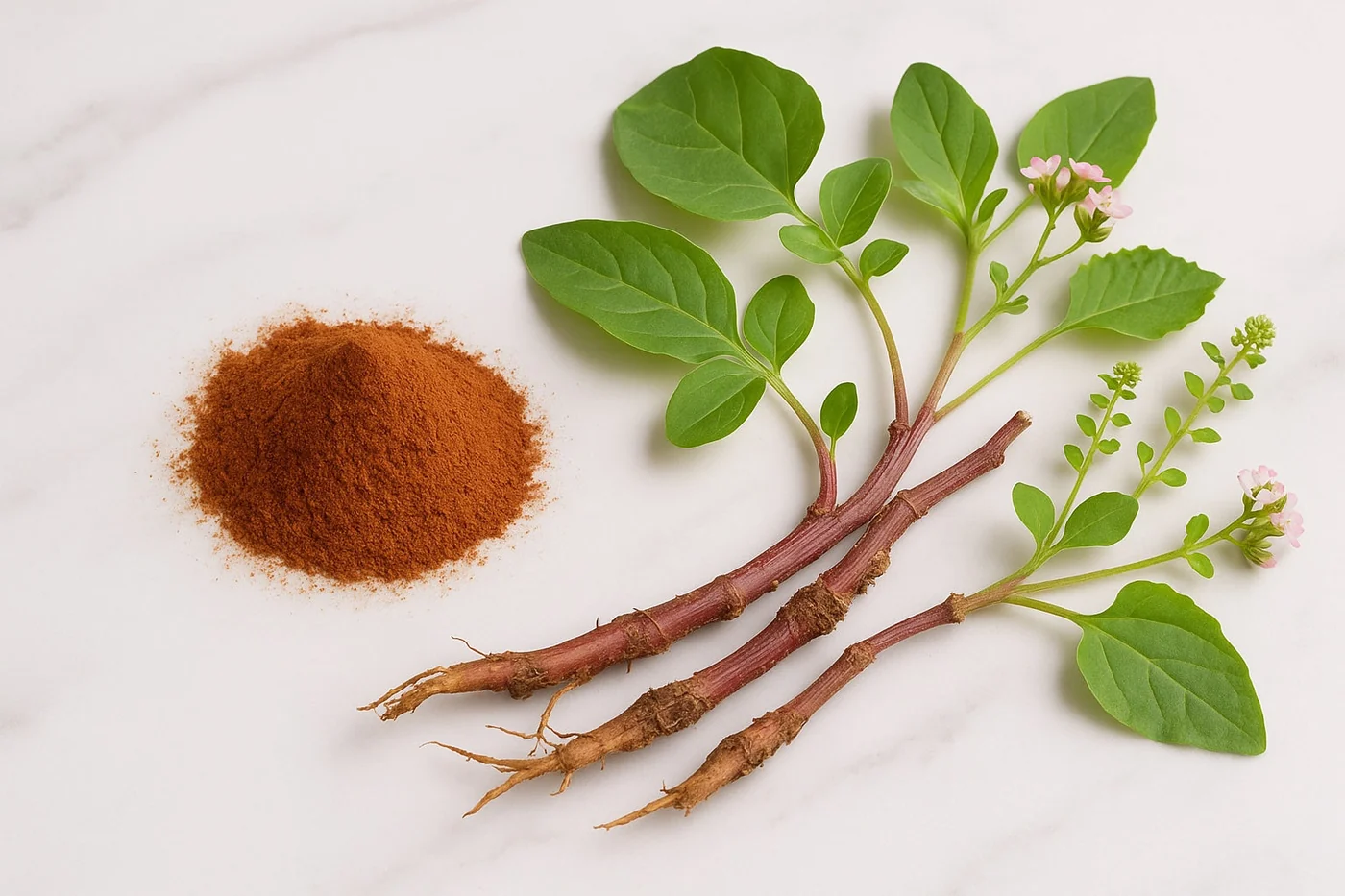

Punarnava is an extensively used herb in Ayurveda and in traditional Indian medicine. Botanically known as Boerhavia diffusa, it is a member of the Nyctaginaceae family. We have long used its various parts, especially the root and leaf, in remedies which in turn support urinary, digestive, liver and inflammatory health. Also, we see at present that there are some very well-recognised health benefits from the plant which, however, require more large-scale human studies to prove many of its health claims.
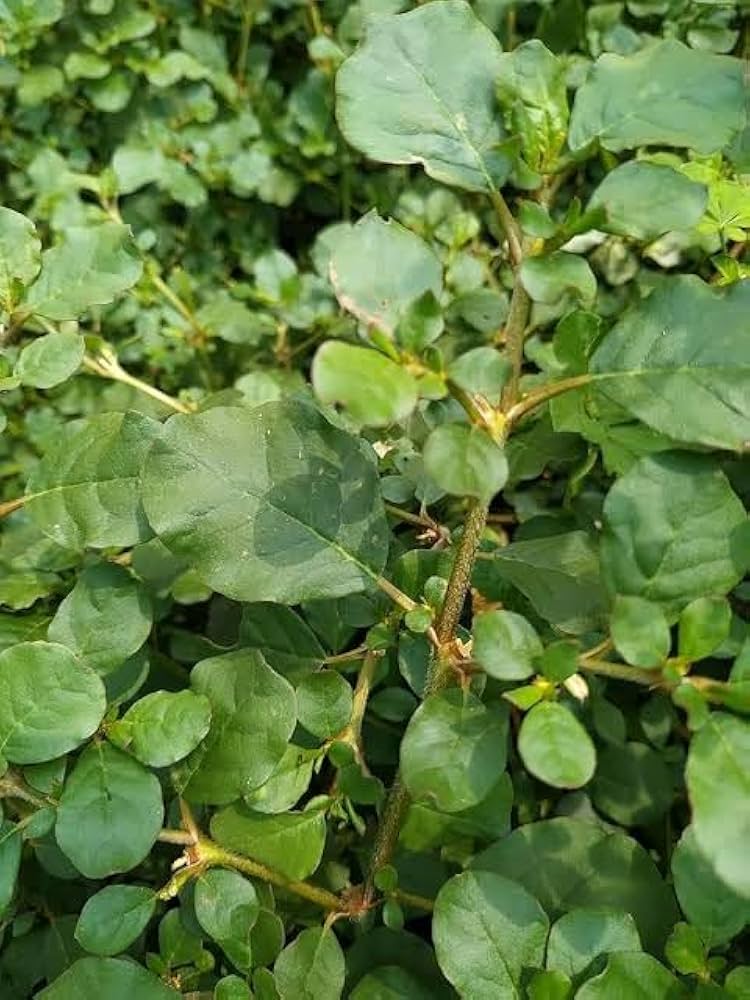
Overview of Punarnava
Punarnava is an evergreen herb that grows all over India and in other tropical areas. It’s a term which is put forth for the idea of renewal and rejuvenation in Ayurveda. Also, it has been used in the past in preparations for issues of inflammation, urinary health, digestion and liver health.
A research study has looked at phytochemicals in Boerhavia diffusa, which have reported antioxidant and anti-inflammatory properties. It has also been looked at for its possible use as a diuretic, for kidney and liver protection. It is important to note that results from in vitro and in vivo studies do not, at this point, prove that Punarnava is a disease treatment in humans.
Top 10 Health Benefits of Punarnava
Supports Urinary Health.
Punarnava is an herb that has been reported to have diuretic properties which may increase urine output. Although there are some studies in the lab and animal models regarding this issue, in humans we don’t have sufficient proof to put it forth as a treatment for kidney disease.
Support for kidney health.
Research has looked at the kidney-protective properties of Boerhavia diffusa, which also includes a study of its role in relation to markers of kidney injury. However, we do not have enough data from well-designed human clinical studies to come to definite conclusions.
Includes Antioxidants.
Punarnava has a variety of phytochemicals which, in lab research, have been shown to have antioxidant properties. Antioxidants play a role in defending cells against oxidative stress, although it is still to be seen to what degree consuming Punarnava plays that out in human health.
Experimental studies report that in Boerhavia diffusa certain compounds which may play a role in inflammatory processes are present. Also, this has put the herb forward as a choice in traditional and alternative health fields.
Supports the health of the liver.
Punarnava has been used in Ayurvedic practices for issues related to the liver. Although there is some preclinical research which reports on the possible protective action of the herb for the liver, it is important to note that this does not mean we have proof that the herb is a treatment for liver disease.
Supports Digestive Health.
Punarnava is known for its use in digestive and gastrointestinal preparations in Ayurveda. Some herbal formulations which include this plant are used for digestive issues, but there is little clinical evidence for the herb itself.
May reduce fluid retention.
Because Punarnava may have diuretic actions, it has been used in the past for issues like swelling and excess fluid. But unexplained or persistent swelling is a sign of a possible health issue which should not be treated yourself with herbal supplements.
Support for metabolic health.
Experimental research has looked at what Boerhavia diffusa does for diabetes and lipid issues. While results are promising, we ask for more clinical proof before we can say that Punarnava is a proven treatment for diabetes or cholesterol.
Provides active phytochemicals.
Punarnava has natural compounds in it like alkaloids, flavonoids and other phytochemicals. We are seeing through research that these compounds play a role in the plant’s biological action.
It has years of use in tradition.
In Ayurveda, Punarnava is looked at as a traditional heirloom of herbal medicine and is used in many preparations for well-being and rejuvenation. That which is traditional, however, does not bear out in modern clinical studies.
Side Effects and Precautions
Although Punarnava has a large body of traditional use behind it, safety may vary according to the preparation, dose and also individual health status. Its possible diuretic action means that care should be taken with it by people on diuretic drugs or those that affect blood pressure. Also, people with kidney or liver disease should see a health care professional before use. As for pregnancy and breastfeeding, there is not enough safety information, so medical advice is very important.
Conclusion
Punarnava (Boerhavia diffusa) is a key Ayurvedic medicine which has traditional use for urinary, digestive, liver and inflammatory health issues. Present research reports that it may have antioxidant, anti-inflammatory, and diuretic actions and also may protect the kidneys and liver. While that is very well established in in vitro and in vivo models, we still require large-scale human studies to prove its efficacy and proper use.
FAQs on Punarnava
What is Punarnava?
Punarnava is an Ayurvedic herb which is also known as Boerhavia diffusa. Its roots and other plant parts are used in the preparation of herbal remedies.
Is Punarnava good for kidney health?
Preliminary reports suggest that Punarnava may have kidney-protective and diuretic properties, but at this time there is not enough strong human research to support its use for kidney disease.
Can Punarnava reduce swelling?
It’s a practice that supports fluid balance and reduces swelling. But if you have persistent swelling, it is best to get a medical evaluation rather than self-treat.
Is Punarnava safe for everyone?
No. People who have kidney or liver issues, low blood pressure, electrolyte imbalances or are on certain medications should get professional advice before use. Also, pregnancy and breastfeeding require extra care.
Can Punarnava replace prescribed medicines?
No. Punarnava should not be used instead of medical advice you have received from a health care provider.
Disclaimer: This article is meant as a basic guide and does not in any way replace a professional’s medical advice, diagnosis, or treatment.
About the Author