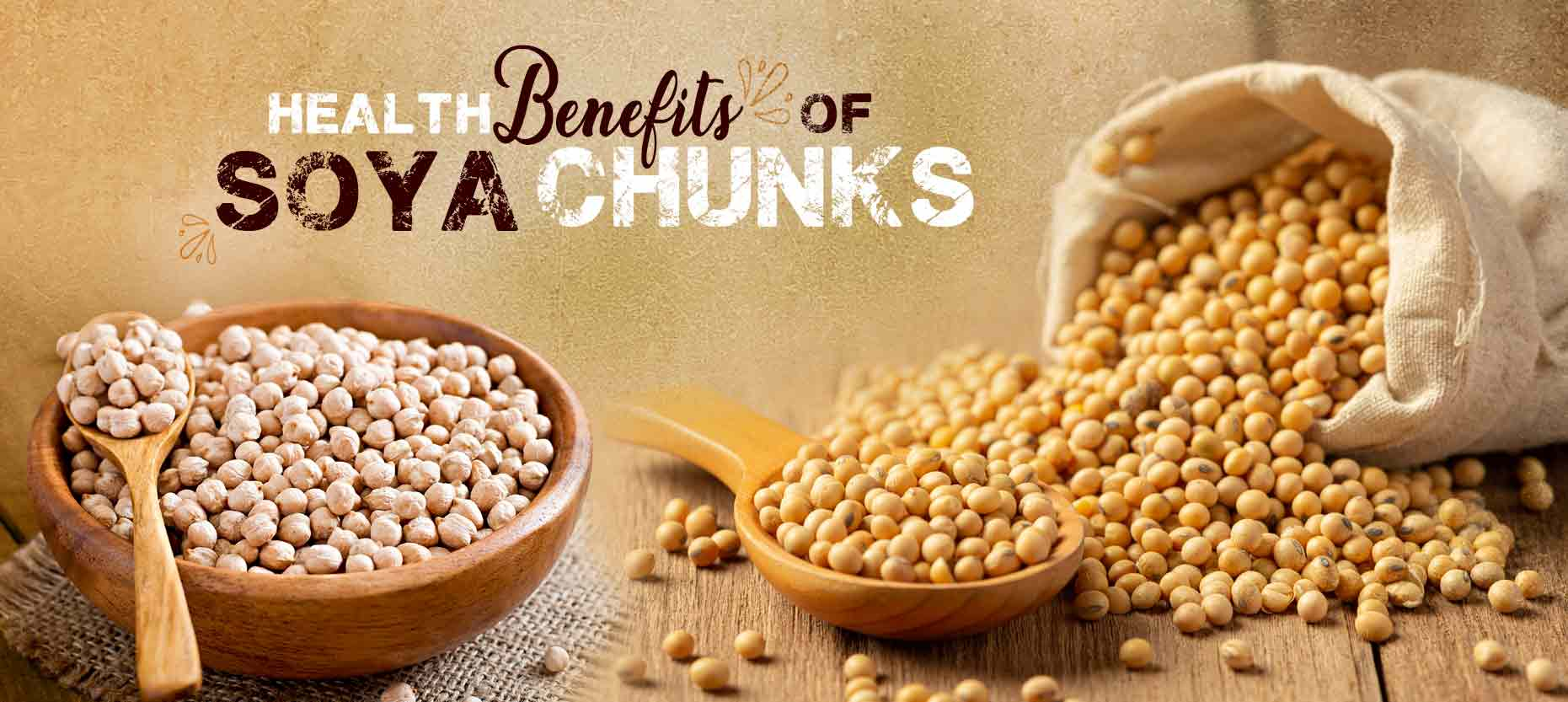

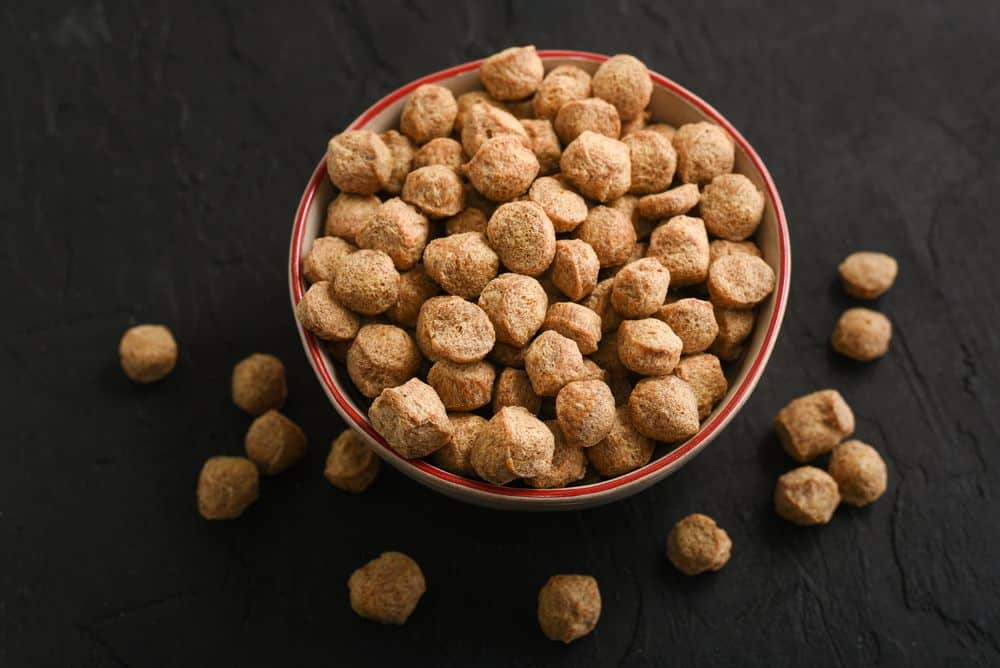
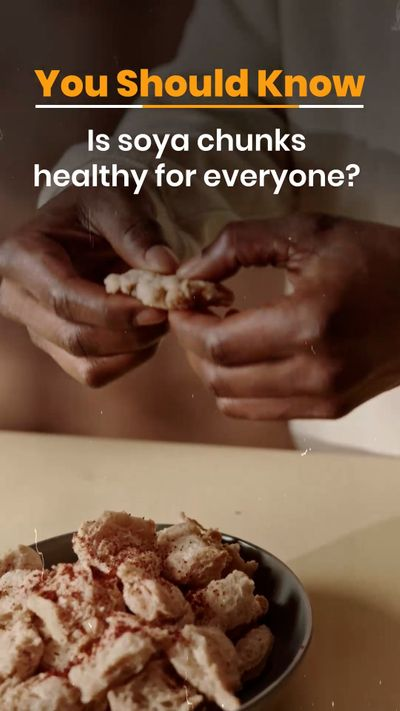
Soya chunks are also referred to as textured vegetable protein (TVP). They are an increasingly common variety of plant-based foods made from defatted soya flour. The products have become increasingly common in vegetarian Indian cooking because of their high protein value, low cost, and flavour absorption ability.
Soya chunks offer protein, fibre, iron, calcium, and other nutrients. If taken in moderate amounts as part of a balanced diet, soya chunks can become a healthy replacement for many other protein sources derived from animals.
Nutritive Value of Soya Chunks
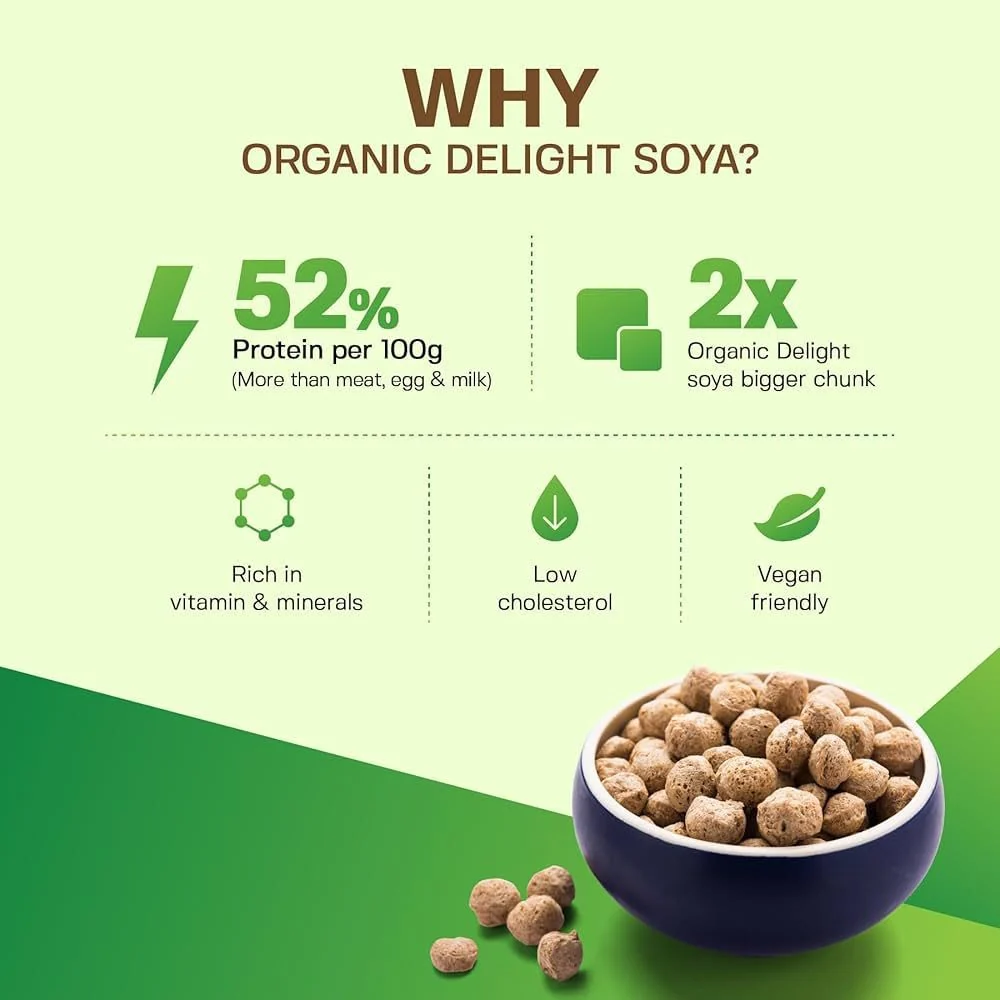
Dry soya chunks contain a large amount of plant protein—about 50 grams per 100 grams of dry soya chunks, though it varies with different brands.
In addition to protein, soya chunks also offer carbohydrates, fibre, iron, calcium, phosphorus, and some other micronutrients. Due to the fact that soya chunks are usually boiled and absorb a lot of water before consumption, their nutrient content per 100 grams decreases after boiling.
Soy also contains all nine essential amino acids, which makes soy a good protein source.
1. Excellent Source of Plant Protein
One of the major advantages of soya chunks is the presence of high amounts of protein. Protein is required to repair tissue, help in muscle formation, and synthesise hormones and enzymes.
This can serve as a good source of protein for those following a vegetarian and vegan diet by substituting their regular sources of protein, such as dairy and pulses.
It can also be consumed along with other protein foods in the diet of those who follow a regimen of exercise.
2. Can Help Maintain Muscle Mass
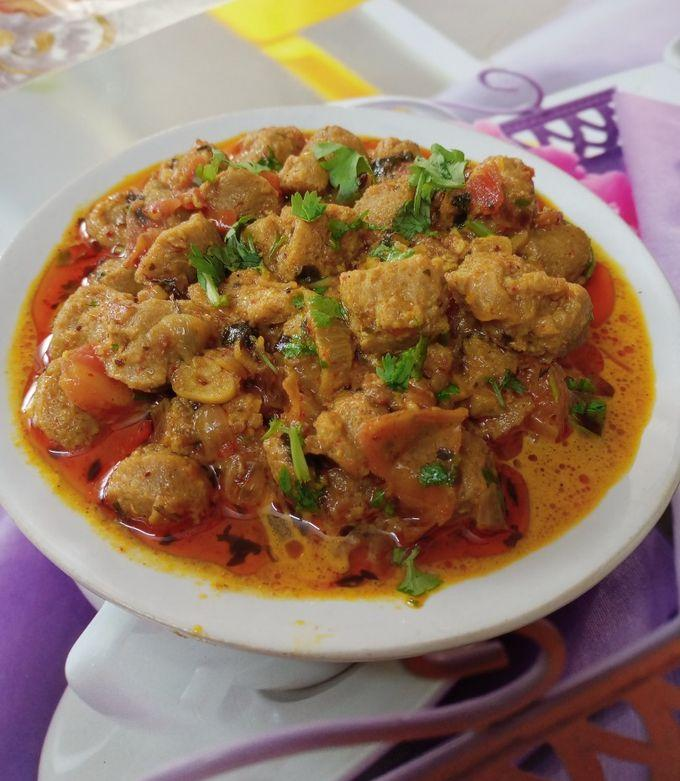
As soya provides all nine essential amino acids, it helps in muscle maintenance and recovery.
The need for protein increases for physically active persons and those ageing, as they need to maintain muscle mass. However, consumption of soya alone does not build up muscle mass.
3. May Support Heart Health
Soya products are sources of protein, healthy unsaturated fats, and natural substances known as isoflavones.
Eating soy-based proteins as alternatives to saturated fats in food can be beneficial for cholesterol levels. Soy chunks can thus be good for a heart-friendly diet when they are cooked along with vegetables and with minimal use of oil and salt.
This can greatly depend on the whole diet and way of preparation.
4. They May Aid Weight Control
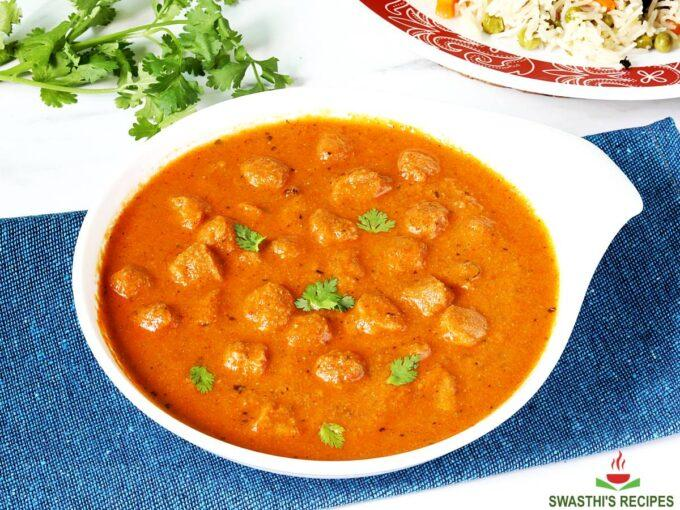
The presence of protein and fibre in soya chunks can assist in feeling full.
Having a filling meal can aid in not eating extra snacks and managing portion size. Thus, soya chunks can play a role in a weight control diet if they are prepared with vegetables and not with too much oil, cream, or sauce.
Weight loss will mainly rely on keeping a proper calorie intake.
5. Supports Digestive Health
Fibre contained in the soya chunks is responsible for the normal functioning of the digestive system and healthy bowel movements.
Fibre aids in maintaining the good bacteria in the body. Soy should be consumed in moderation since overconsumption leads to bloating or flatulence for some people.
However, eating soy dishes is possible by eating small portions of them and drinking a sufficient amount of water.
6. Contains Iron
The soya chunks have plant-based iron that might be of help for vegetarians.
Iron is important for haemoglobin formation and oxygen transportation in the body. Since soy contains non-heme iron, it needs to be combined with products containing vitamin C.
Adding lemon juice, tomato, or capsicum to the soya chunk dish is a simple way of doing this.
7. Helps Maintain Bone Health
Calcium, phosphorus, and proteins necessary for bone and muscle health can be obtained from soya chunks.
Moreover, there is no equality in mineral content in various kinds of soy; for example, when it comes to fortified soy, it is reasonable to pay attention to nutritional information.
For maintaining bone health, it is also important to have vitamin D, exercise, and a balanced diet.
8. Helps Manage Blood Glucose Levels
Protein and fibre may increase satiety, unlike carbohydrate-rich meals, and make you feel full longer than before.
Thus, one may consider using soya chunks as a protein source instead of carbohydrate-rich food to maintain healthy meals.
Diabetes patients may consume soya chunks in a properly balanced diet.
9. Useful for Vegetarian and Vegan Diets
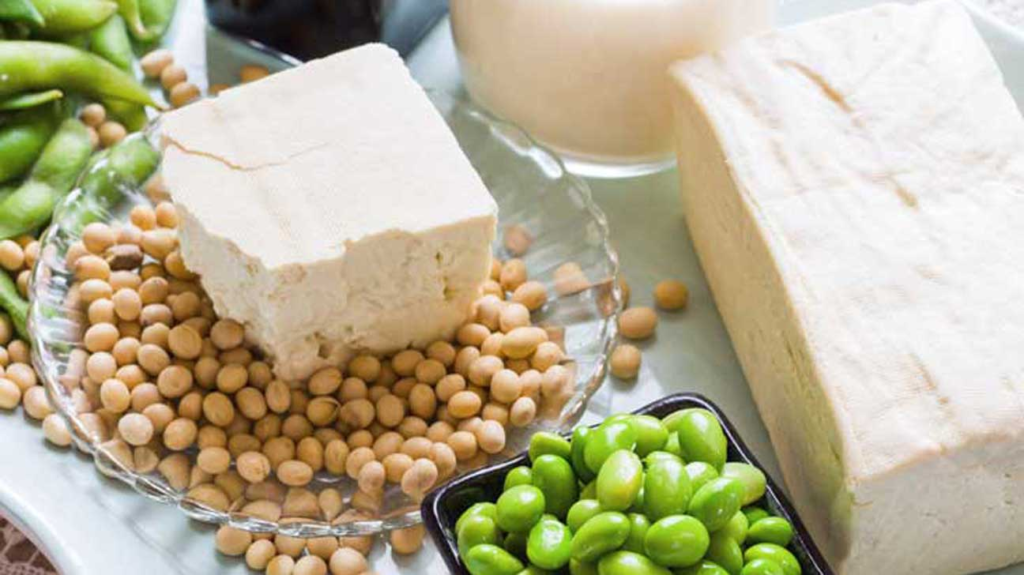
Soya chunks are very useful in providing a high amount of protein without including any meat, fish, eggs, or dairy products.
These are easily adaptable in Indian cuisine, as they are utilised in curries, pulao, biryani, salads, wraps, and stir-fries.
Combining soy with pulses, whole grains, vegetables, nuts, and seeds can help in getting a wide variety of nutrients in a vegetarian diet.
Soya Chunks Preparation Method
Soya chunks are generally soaked or boiled in hot water till they become soft. These should be subsequently drained and pressed lightly in order to remove excess water.
Soya chunks can now be included in vegetables, curries, or any other dish. Using moderate oil and lots of vegetables helps in maintaining nutritive value in the end product.
Side Effects Possible
Some individuals might face problems such as gas, bloating, and digestive issues due to consumption of soy in large quantities.
Soy is a known food allergen, and hence anyone having a soy allergy needs to stay away from soya chunks. Individuals with certain thyroid problems can eat regular soy products, but those taking thyroid medicines have to maintain a gap between soy and medicine intake as suggested by professionals.
My Personal Favourite
The reason why I like soya chunks is that they make it easy to add protein to any regular vegetarian meal. They are good at absorbing spices and can be used in many familiar Indian dishes.
My favourite choice would be to prepare a soya chunk and vegetable curry dish, which contains protein, fibre, and vegetables, without needing fancy ingredients.
Conclusion
Soya chunks are a high-protein, affordable vegetarian food, which is beneficial for muscles, digestion, heart, and general nutritional well-being, providing enough iron, fibre, and other nutrients.
As far as 2026 goes, soya chunks still make a good choice of product for vegetarians and vegans. It would be best to consume them in moderation with vegetables, cereals, pulses, and other healthy foods.
About the Author