
Know About the Postpartum Diet in 2026
The Weeks Nobody Really Prepares You For
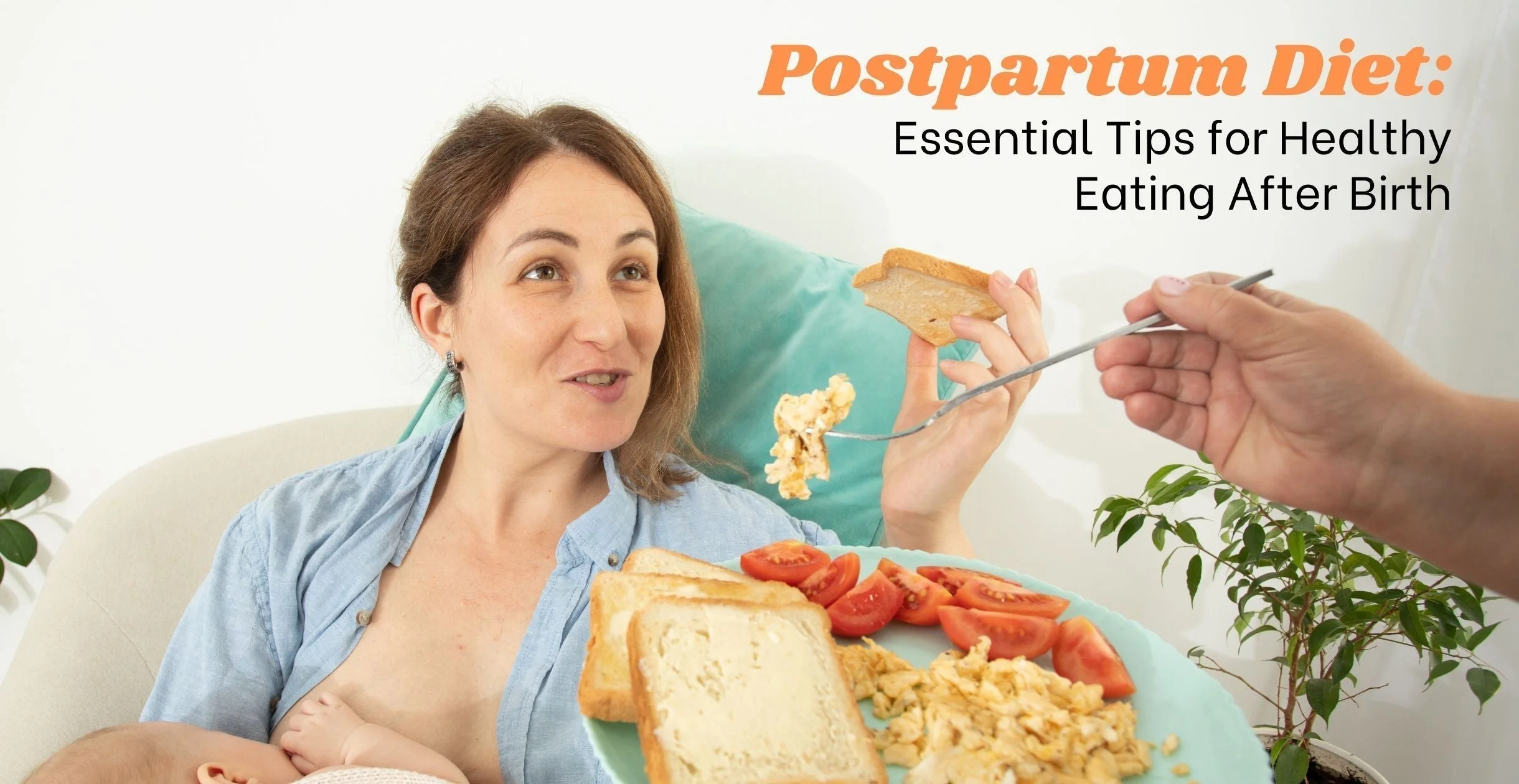
Nobody warns you enough about the days right after you bring your baby home. Your body is stitching itself back together, your hormones are all over the place, and somewhere in between the 2 a.m. feeds and the laundry pile, you’re supposed to remember to eat. Most new mothers barely manage a cup of tea before the baby starts crying again. But what you eat in these early weeks quietly shapes how fast you heal, how much energy you have, and even how well breastfeeding goes.
This isn’t a new idea, really. Long before anyone coined the term “postpartum nutrition,” Indian households were already doing it right — bowls of moong dal, warm ghee stirred into rice, ajwain water for digestion, and that one aunt insisting you drink another glass of milk. Turns out, there was real science hiding behind all that fussing.
So What Should You Actually Be Eating?
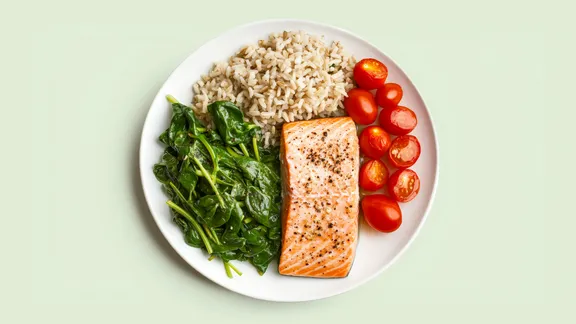
Cut through all the advice and it comes down to a handful of things: protein, iron, calcium, and enough fluids to keep you going. Dal, paneer, eggs, sprouts — these help your body repair the tissue that childbirth naturally puts through the wringer. Iron matters too, because a lot of women come out of delivery running low on it, which is a big reason for that bone-deep tiredness in the first few weeks. Spinach, rajma, and a bit of jaggery can help here. Calcium-rich foods like curd and milk protect your bones since breastfeeding pulls calcium reserves from your body whether you eat enough or not.
You don’t need a complicated meal plan for any of this. Something as ordinary as poha with curd in the morning, dal-chawal and a vegetable for lunch, a few almonds or a piece of fruit in the afternoon, and khichdi with ghee at night covers most of the bases. Eating smaller amounts more often — roughly every two to three hours — tends to work better than three big meals, mostly because it matches how often you’re up anyway.
A Few Things Worth Skipping
Very spicy or deep-fried food can leave your stomach unsettled at a time when your digestion is already a little fragile. Too much caffeine won’t help either, especially when sleep is already in short supply. And those packaged snacks that feel convenient at 3 a.m.? They fill you up without actually giving your body much. None of this calls for strict cutting out — just a bit of awareness, and adjusting based on how your own body reacts.
Clearing Up a Couple of Myths
A lot of women think they need to eat double the food once the baby arrives. That’s not really true — what matters more is the quality of what’s on your plate, not the quantity. Fat also gets an unfair reputation; a spoon of ghee or a handful of nuts actually helps balance hormones and keeps energy steady through the day. And spices, contrary to what many believe, can aid digestion rather than upset it, as long as you’re not overdoing it.
Food Is Only Part of the Recovery
Eating well helps, but it isn’t the whole answer. Sleep whenever you can grab it, move gently once your doctor gives the go-ahead, and don’t underestimate how much emotional support matters during this stretch. Every body heals differently after childbirth, so it’s worth talking to a doctor or dietitian who can shape advice around you specifically, rather than following a plan meant for everyone.
About the Author