
Know the Health Benefits of Sapota in 2026
The Fruit Everyone Forgets About (But Shouldn’t)
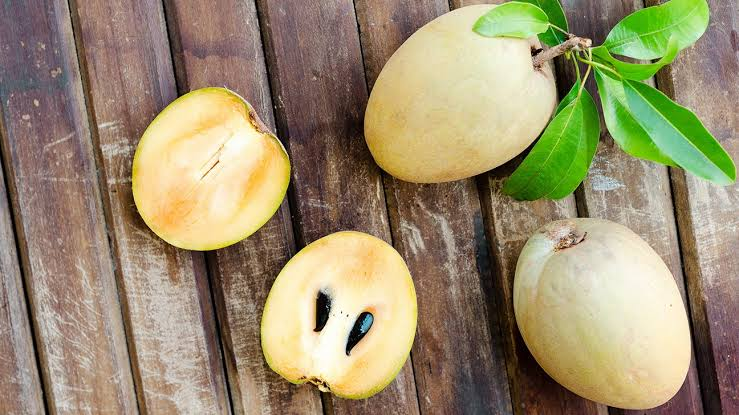
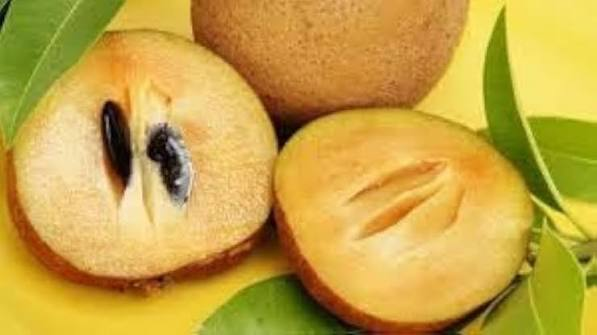
Walk past most fruit stalls and you’ll see people reaching for mangoes, grapes, maybe a papaya if they’re feeling adventurous. Sapota usually just sits there — brown, unassuming, a little rough on the outside. Most people don’t even know what to call it. Some say chikoo, some say sapodilla, and honestly, both are right. It grows across India and parts of Southeast Asia now, though it originally comes from Central America and the Caribbean. And once you cut into one, that soft, honey-brown flesh tells you it’s not just another forgettable fruit sitting on the shelf.
Good for your gut, whether you notice it or not
The fiber in sapota does a lot of quiet work. It keeps digestion running smoothly, helps avoid that bloated, sluggish feeling, and can even take the edge off hunger between meals. If you’ve ever eaten one and felt fuller than expected, that’s not a coincidence.
It helps your body fight back
Sapota carries a decent amount of vitamin C, along with antioxidants that help your immune system do its job a bit better. It’s not a miracle cure for colds, nobody should pretend it is, but it does give your body a small edge when it’s fighting off something seasonal.
Skin that looks a little less tired
Here’s something people don’t talk about enough — the same vitamin C that helps your immune system also plays a role in collagen production. That means better skin elasticity over time, fewer fine lines, and less irritation for people with sensitive skin. It’s not a skincare product, obviously, but it helps from the inside.
Heart and bones, taken care of together
Sapota has potassium, which is good news for blood pressure since it balances out sodium in the body. It also has enough fiber to help manage cholesterol levels. And then there’s calcium, phosphorus, and iron — minerals that matter more than people realize when it comes to keeping bones strong, especially as we get older or if kids are still growing.
Sweet, but not in the way you’d expect
This is the part that surprises most people. Sapota tastes sweet, almost like caramel, but it has a low glycemic index. That means the sugar doesn’t hit your bloodstream all at once. For people managing diabetes, this makes sapota a fruit worth considering, in reasonable amounts of course, not a green light to overdo it.
Steady energy, not a sugar crash
Instead of the quick spike and crash you get from candy or soda, sapota gives a more gradual energy boost. Athletes, students pulling long study sessions, or just anyone who needs to get through an afternoon without hitting a wall might find it useful. It also supports eye health thanks to vitamin A, and during pregnancy, its folate and iron content can genuinely help.
But don’t go overboard
Like anything, too much sapota isn’t a great idea. Eat too many and you might deal with bloating or unwanted calories creeping in. People with latex allergies should also be a little careful, since there’s a known cross-reactivity there. And always wash it well, since pesticide residue is a real concern with non-organic fruit.
Bottom line
Sapota isn’t flashy, and it never really tries to be. But for something so overlooked, it does a surprising amount of good for digestion, skin, heart health, and steady energy. In 2026, as more people look for simple, real food instead of supplements and trends, this quiet little fruit might finally get the attention it deserves.
About the Author