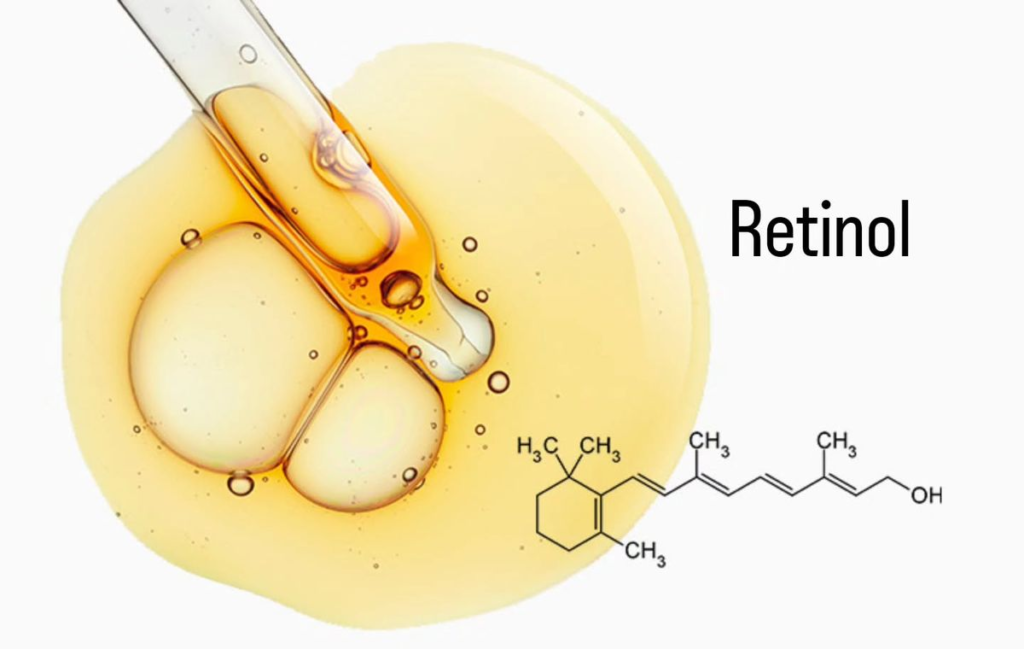
Retinol has a bit of a reputation. On one hand, it’s praised for helping skin look smoother, clearer, and more even. On the other hand, it’s often linked with redness, tightness, and those annoying little flakes that somehow make foundation look worse than wearing no makeup at all.
If your skin is sensitive and the weather is hot and humid, you may assume retinol simply isn’t for you. That’s not necessarily true. The formula you choose, the products you pair it with, and how often you apply it can completely change the experience.
The aim isn’t to make your skin “push through” irritation. It’s to build a routine your skin can comfortably live with.
Why does Retinol for Sensitive Skin often Feel Different in Humid Weather
When the weather turns humid, your usual routine can suddenly feel all wrong. Your face looks shiny, your sunscreen feels heavier, and by the end of the day, all you want to do is wash everything off. That’s often where the trouble begins.
You cleanse a little more thoroughly, add an exfoliating toner to deal with the congestion, and still use retinol that evening.
A few days later, the skin around your nose begins to flake. Retinol may seem like the obvious culprit, but it’s often the combination of products, not one ingredient on its own, that has pushed your skin too far.
That’s a lot for sensitive skin to handle in one evening.
Humidity itself isn’t always the issue. The bigger issue may be how your routine changes when the temperature rises. Extra cleansing, frequent exfoliation, and lightweight products that don’t provide strength to your skin barrier, is slowly damaging your skin.
Changing routine and humidity gets in the way when you’re using retinol for sensitive skin. Because, honestly, the strongest product in the cupboard isn’t very useful if your skin dislikes it so much that you only apply it once a month.
What About Peptides?
Retinol and peptides are sometimes treated like competitors. But, it’s not the reality. Retinol can assist with visible skin renewal and improve unevenness and the rough texture of the skin. It also helps improve skin tone and fine lines.
Peptides are short chains of amino acids that act as supportive messengers within skincare formulations. Depending on the peptide used, they may help promote firmer-looking, more resilient skin.
For sensitive complexions, the combination makes sense. Encapsulated Retinol for sensitive skin handles the renewal side of the routine, while Peptides offer a supportive, conditioning presence.
Think of it this way: retinol encourages change, while peptides help create a routine that feels balanced and complete. You’re not simply chasing faster results. You’re giving your skin a better environment in which to respond.
How to Create a Non-Flaking Retinol Routine
There’s no secret trick here. A non-flaking retinol routine comes down to restraint.
1. Cleanse without stripping
If your face feels squeaky, tight, or uncomfortable after cleansing, your cleanser may be doing too much. Choose a gentle formula and avoid repeatedly washing your face just because the weather feels sticky.
After an especially sweaty day, I know the temptation is to scrub until your skin feels completely bare. That “fresh” feeling can be satisfying for five minutes, and regrettable once you apply actives.
2. Let your skin dry
Apply retinol to clean, dry skin unless the product directions say otherwise. Damp skin may increase the penetration of some products, which isn’t always welcome when your complexion is easily irritated.
3. Use a small amount
More products won’t necessarily produce better results. It may simply increase the chance of redness and flaking.
Apply a thin, even layer and avoid sensitive areas around the eyes, nostrils, and corners of the mouth unless your chosen formula is designed for them.
4. Follow with lightweight moisture
In humid weather, a heavy cream can feel uncomfortable. That doesn’t mean you should skip moisturizer altogether.
Look for a lightweight, barrier-supportive formula that settles comfortably instead of sitting on the skin. If you’re particularly reactive, you can apply moisturizer before and after retinol to create a cushioning “sandwich.”
5. Be selective with other actives
Retinol night probably doesn’t need to be an exfoliating-acid night, scrub night, and clay-mask night too.
Keeping the rest of the routine calm makes it easier to understand what your skin actually likes. It also reduces the risk of mistaking an overloaded routine for a retinol problem.
Can Retinol Be Used Daily in High Humidity?
Possibly, yes. But daily use shouldn’t be the starting goal.
Humidity doesn’t decide how frequently you can use retinol. Your skin’s tolerance, current barrier condition, product strength, and complete routine matter much more.
If you’re new to retinol or have reactive skin, begin with one or two evenings a week. Stay there until your skin feels comfortable, then increase the frequency gradually. If you notice persistent redness, burning, unusual sensitivity, or significant peeling, scale back and speak with a dermatologist or licensed skincare professional.
Some people eventually enjoy daily use. Others get the results they want from applying retinol every other night. Both routines are valid.
Consistency isn’t the same as maximum frequency.
Don’t Forget Your Morning Routine
Yes, Retinols should be in your evening routine. But your routine the next morning matters more.
Use a gentle cleanser if necessary. Apply your moisturizer and complete your routine with a water-resistant sunscreen with SPF 30 or higher. According to the American Academy of Dermatology, this level of protection helps defend the skin from UV damage and premature visible aging.
So, does sunscreen still matter when the weather outside is cloudy? Yes. It does. It’s that unglamorous habit that keeps your skin’s barrier strong, and it starts with the morning routine.
The Takeaway
Sensitive skin doesn’t need an aggressive retinol routine. It needs a thoughtful one. Choose a considered formula with encapsulated retinol and supportive peptides. Start slowly. Keep cleansing gentle, moisturize even when the air feels heavy, and resist the urge to layer every active you own.
Your skin doesn’t have to peel to prove that retinol is working. In fact, calm and comfortable progress is usually the better sign.
About the Author